
The Sound of Running Water When Every Faucet Is Off Explained
You walk through a quiet house at night, and you hear it: water moving somewhere inside the walls. Every faucet sits closed, every fixture looks still, yet that faint trickle or steady hiss keeps going. The sound of running water when every faucet is off almost always means water is escaping somewhere you cannot see. A running toilet, a hidden pipe leak, or a struggling water heater can each create that exact noise. Left alone, the problem tends to grow, driving up your water bill and feeding mold, rot, and structural damage behind the drywall. The encouraging part is that the source is often easier to track down than most homeowners expect. A few simple checks at your meter and your toilets will narrow things down fast. This guide explains the common causes, the steps you can run yourself, and the point where a licensed plumber needs to take over.
What Causes the Sound of Running Water When Every Faucet Is Off
Plumbing systems are designed to stay silent when nothing is in use, so any noise you hear with the taps closed is a signal worth respecting. The sound of running water when every faucet is off comes from water that is still flowing through a part of the system it should not be. Pressurized supply lines feed every fixture in your home, and even a tiny opening lets water sneak through with a sound that carries along the pipes. That noise can travel a surprising distance, which is why a leak in the basement might sound like it is coming from an upstairs wall. The three usual suspects are a toilet that keeps cycling, a concealed leak in the supply piping, and a water heater that is leaking or running a recirculation loop. Each one has its own clues, and learning to tell them apart saves you time and money. Below, we walk through all three so you can match the sound in your home to the most likely cause.
A Running Toilet Behind the Sound of Running Water When Faucets Are Off
A running toilet is the single most common reason for the sound of running water when faucets are off, and it hides in plain sight. Inside the tank, a rubber flapper seals the opening at the bottom and holds water until you flush. Over months and years, that flapper hardens, warps, or collects mineral buildup, and it stops sealing the way it should. When the seal fails, water slips past it into the bowl, the tank level drops, and the fill valve kicks on to refill. This silent cycle can repeat all day and all night, sometimes loud enough to hear and sometimes quiet enough to miss. A single running toilet can waste hundreds of gallons in a day, which shows up clearly on your water bill.
You can confirm a running toilet with a simple dye test that takes only a few minutes. Drop a few drops of food coloring into the tank, wait about fifteen minutes, and look in the bowl without flushing. Color in the bowl means water is leaking past the flapper and your toilet is the source of the noise. Another common culprit is the fill valve itself, which can stick partly open and let water trickle in continuously. You might also hear a faint refill hiss every so often even when nobody has used the toilet, a problem known as phantom flushing. These signs point straight to worn parts inside the tank that need attention.
The fix for a running toilet is usually quick and affordable when handled early. Replacing a flapper or a fill valve is a small repair, yet skipping it lets gallons drain away around the clock. If you have several toilets, test each one, since the noise might come from a bathroom you rarely visit. Hard water in the Pittsburgh area speeds up mineral buildup, so flappers here tend to wear out faster than the packaging suggests. Need a toilet that will not stop running? Click here for our toilet repair service. Catching the issue early keeps a minor part swap from turning into a major water bill.
Hidden Pipe Leaks Behind the Sound of Running Water When Faucets Are Off
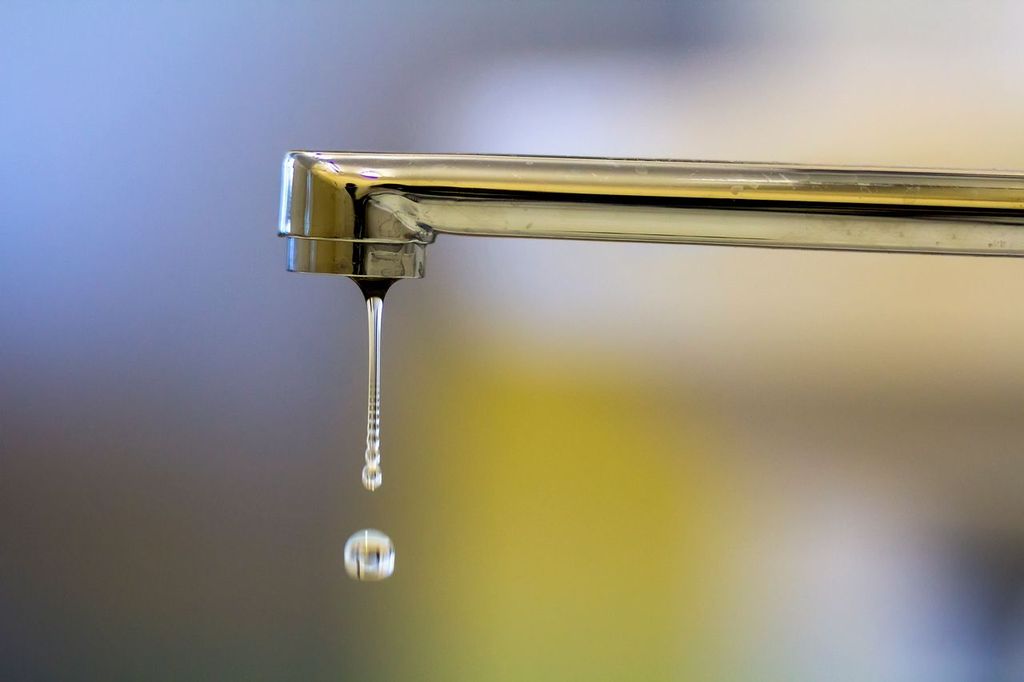
A hidden pipe leak is the more serious cause behind the sound of running water when faucets are off, and it deserves prompt attention. Supply lines stay under constant pressure, so even a pinhole opening pushes a steady stream of water into the surrounding space. These leaks hide inside walls, under floors, above ceilings, and beneath concrete slabs where nothing is visible to the eye. The water often follows framing or piping before it ever shows up as a stain, so the damage spreads well before you spot it. Copper pipes can develop pinholes from corrosion, while older galvanized lines rust from the inside out. The faint hiss or rushing sound you hear is pressurized water forcing its way through that small breach.
Several warning signs ride along with a hidden leak, and noticing them helps confirm what your ears are telling you. Watch for unexplained damp spots, peeling paint, bubbling drywall, or a musty smell that will not go away. A sudden jump in your water bill with no change in habits is a strong red flag. Warm spots on a floor can point to a leak in a hot water line running under a slab. You might also notice low water pressure at fixtures, since water escaping the line never reaches the tap. When two or more of these clues show up together, a concealed leak moves to the top of the list.
Hidden leaks rarely fix themselves, and the longer they run, the more they cost in both water and repairs. Moisture trapped in walls and under floors feeds mold, weakens framing, and can ruin insulation and finishes. Professional leak detection uses acoustic listening gear, thermal imaging, and pressure testing to pinpoint the source without tearing your home apart. That precision matters, because guessing means opening walls in the wrong place and paying for damage that was never necessary. Suspect a leak you cannot see? Click here for our leak detection service. Finding the exact spot fast protects both your home and your budget.
Water Heater and Appliance Issues Behind the Sound of Running Water When Faucets Are Off
Your water heater and connected appliances can also produce the sound of running water when faucets are off, and people often overlook them. A tank that has begun to leak internally will let water seep out steadily, sometimes pooling at the base and sometimes draining away through a nearby floor drain. The temperature and pressure relief valve, a key safety part on every tank, can drip or run if pressure inside climbs too high. That release creates a flowing sound near the unit even though no tap is open anywhere in the house. Tanks near the end of their life, often past ten or twelve years, are the most likely to develop these issues. A quick look around the base of the heater for moisture or rust tells you a lot.
Homes with a hot water recirculation system add another possible source of that running sound. These systems use a small pump to keep hot water moving through the lines so it arrives quickly at the tap. When the pump runs on its schedule or on demand, water genuinely circulates through the pipes, which you may hear as a soft, steady flow. That noise is normal for these systems, yet a failing check valve or a stuck pump can keep water moving when it should be still. Knowing what equipment you have makes it easier to separate a harmless cycle from a real fault. If the sound lines up with a pump kicking on, the recirculation loop is the likely answer.
Other appliances tie into your water lines and can mimic the same noise when something goes wrong. A water softener that regenerates on a timer runs water through its tank, often in the early morning hours when the house is quiet. Ice makers, humidifiers, and irrigation systems all draw water and can stick in an open state. Tracing the sound to a specific appliance sometimes means simply standing near each one and listening. When the source turns out to be the water heater itself, it is wise to have it inspected before a slow leak becomes a flooded floor. A failing tank gives warning signs, and acting on them early prevents a far messier and more expensive problem.
How to Find the Source of Running Water Sounds When Faucets Are Off
Once you know the usual causes, the next step is pinpointing which one is happening in your home. Finding the source of running water sounds when faucets are off follows a logical order that anyone can work through. You start with the most reliable test, move to the easiest fixtures to check, and then decide if the job calls for a professional. The goal is to confirm that water is actually moving and then narrow down where. A few minutes of careful checking often saves a service call, or at least gives your plumber a strong head start. The tools you need are already in your home: your water meter, your eyes, and a little patience. Work through the steps below in order, and you will know far more than when you started.
Using Your Water Meter to Find Running Water Sounds When Faucets Are Off
Your water meter is the most dependable tool for confirming running water sounds when faucets are off. Start by shutting off every water source in the house, including faucets, the dishwasher, the washing machine, and any ice maker. Then locate your meter, usually found near the street in an underground box or inside the basement where the main line enters. Most meters have a small triangular or star shaped dial called a leak indicator that spins whenever water passes through. With everything off, watch that indicator closely for a minute or two. If it moves at all, water is flowing somewhere in your system, and you have confirmed a leak or a running fixture.
For a slower leak that the indicator does not catch right away, a timed reading gives you a clear answer. Write down the exact number shown on the meter, then leave all water off for one to two hours and avoid flushing toilets during that window. Come back and read the meter again, comparing it to your first number. Any change means water moved through the meter while nothing was supposed to be running. This method catches small leaks that are easy to dismiss by ear alone. It also gives you proof to share with a plumber, which speeds up the diagnosis.
The meter test does more than confirm a leak; it helps you locate it by zone. After confirming flow, find your main shutoff valve and close it, then watch the indicator again. If the spinning stops, the problem sits inside your home in the lines after the main valve. If the indicator keeps moving with the main valve closed, the leak likely sits in the service line between the meter and the house. This single test divides the search area in half and tells you how urgent the situation is. Knowing which side of the valve the leak lives on guides every decision that follows.
Checking Toilets and Fixtures for Running Water Sounds When Faucets Are Off
After the meter confirms flow, checking toilets and fixtures for running water sounds when faucets are off is the fastest next move. Toilets are the leading cause, so start there with the dye test described earlier in this guide. Add coloring to each tank, wait, and look for color bleeding into the bowl without a flush. Listen near each toilet as well, since a faint hiss or an occasional refill points to a worn flapper or a stuck fill valve. Move through every bathroom in the house, not just the ones you use most, because a guest bath toilet runs just as much water as any other. Toilets are simple to rule in or out, which is why they top the checklist.
Next, inspect the fixtures and connections you can actually reach and see. Open the cabinet under each sink and feel along the supply lines and shutoff valves for dampness. Check around the base of the water heater, behind the washing machine, and under the dishwasher for pooling or drips. Look at exposed pipes in the basement and crawl space, running your hand along joints where leaks tend to start. Bring a flashlight, since slow leaks often leave only a thin film of moisture or a faint mineral trail. A dry rag pressed against suspect spots will reveal moisture you might otherwise miss.
Pay attention to clues that point past the easy fixes toward something hidden. A warm patch on the floor, a stain spreading on a ceiling, or a musty odor in one room narrows the search to a concealed line. Note exactly where the sound seems loudest, even though water noise travels and can mislead you. Write down everything you find, including which toilets passed the dye test and where you noticed dampness. This record turns a vague complaint into a focused report that helps a plumber work faster. When your own search points to a leak inside a wall, floor, or slab, the job has moved beyond simple fixture checks.
When to Call a Plumber for Running Water Sounds When Faucets Are Off
Knowing when to call a plumber for running water sounds when faucets are off protects your home from slow, costly damage. If your meter confirms flow but your toilet and fixture checks come up empty, the leak is hidden and needs professional tools to locate. Concealed leaks inside walls, under floors, or beneath a slab are nearly impossible to pinpoint by sight alone. A licensed plumber uses acoustic equipment, thermal cameras, and pressure tests to find the exact spot before any drywall comes down. That precision saves you from random demolition and the repair bills that come with it. The sooner the source is found, the less water and structure you lose.
Some situations call for a plumber right away, with no waiting. A leak that keeps running with your main valve closed, water bubbling up from the ground, or a tank actively leaking onto the floor all demand fast action. Rapidly spreading stains, sagging drywall, or the smell of mold mean moisture has been building for a while. A sudden spike in your water bill paired with a sound you cannot trace is another clear signal to make the call. These are not problems that improve on their own, and delay only widens the damage. Acting quickly keeps a contained repair from becoming a full restoration.
Even a confirmed running toilet is worth a professional look when repairs do not hold. If you have swapped a flapper or a fill valve and the noise returns, the issue may run deeper, such as a cracked tank or a worn flush valve seat. A plumber can also check water pressure, since pressure that is too high stresses every fixture and pipe in the house and shortens their life. Bringing in an expert early often costs less than the water and repairs that pile up while a problem festers. Hearing water you cannot stop? Click here for our burst pipe repair service when a line gives way. A trained eye turns a mystery noise into a clear plan.
Why You Need a Professional to Stop Running Water Sounds in Your Home
The sound of running water when every faucet is off is your home telling you that something needs attention. You can confirm the problem and narrow it down yourself, but stopping it for good usually takes a licensed plumber. Hidden leaks, failing water heaters, and stubborn toilet faults all carry risks that a quick patch will not solve. A professional brings the tools, training, and experience to find the exact source and fix it the right way the first time. That means less wasted water, lower bills, and real protection for your floors, walls, and foundation. At Overbrook Plumbing, we handle these calls every day across the Pittsburgh area.
Stop Running Water Sounds Before They Damage Your Home
Acting quickly on running water sounds is the smartest way to protect your property from lasting harm. Water that escapes a pipe does not stay in one place; it spreads through framing, insulation, and flooring until it finds the lowest point. Mold can take hold within a day or two of steady moisture, creating health concerns on top of structural ones. The longer a leak runs, the more it costs to repair both the plumbing and everything the water touched. A fast, professional response keeps a small fix from snowballing into a major project. Stopping the source early is always cheaper than rebuilding after the fact.
Professional leak detection removes the guesswork that leads to unnecessary damage. Instead of opening walls in hopes of finding the source, our team locates the exact spot with specialized equipment. That focused approach means a smaller repair area and a faster return to normal for your household. We also check related parts of your system, since one problem often signals another forming nearby. Catching a second issue during the same visit saves you a repeat call. Precision protects your home and your wallet at the same time.
Routine attention to your plumbing keeps surprise noises from ever starting. Worn flappers, aging supply lines, and high water pressure all give warning signs before they fail outright. A professional inspection catches these weak points and addresses them on your schedule rather than during an emergency. Replacing a tired part on a planned visit costs a fraction of cleaning up after it bursts. For homes with older piping, a checkup brings real peace of mind. Staying ahead of trouble is the quiet advantage of working with a trusted plumber.
Fast, Honest Service for Running Water Sounds Around the Clock
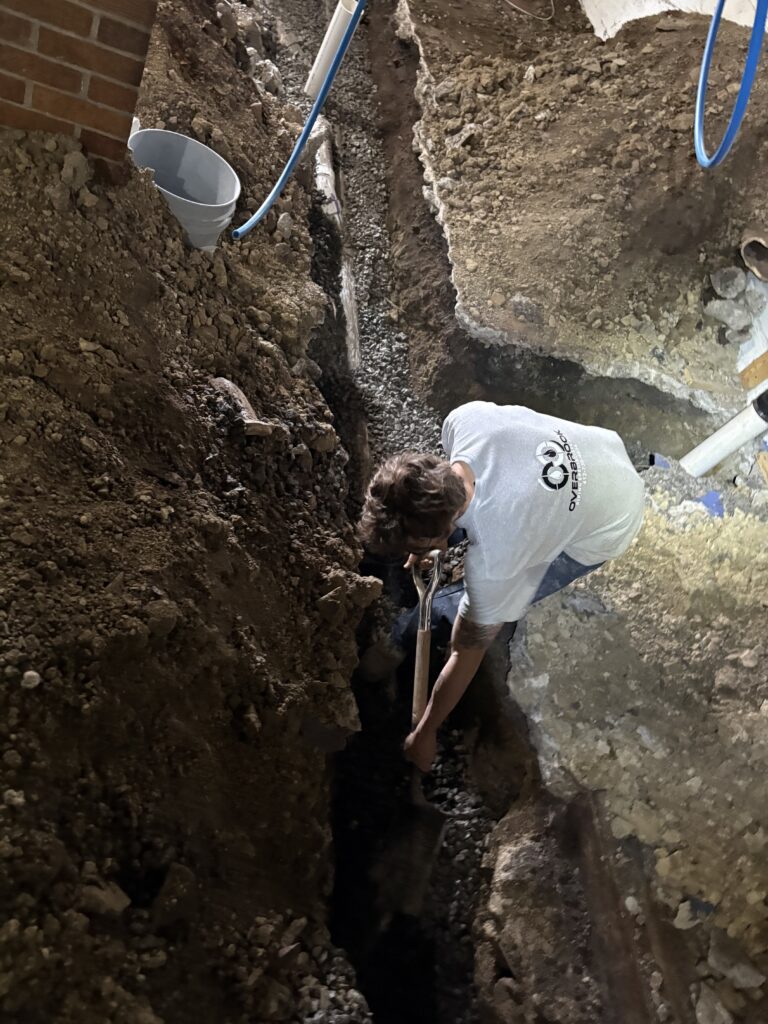
A mystery sound of running water rarely waits for business hours, which is why fast service matters so much. Our team offers 24/7 emergency plumbing, so a leak you hear at midnight gets a real answer instead of a long, anxious wait. We arrive ready to diagnose the source, explain what we find, and lay out your options in plain language. There are no scare tactics and no vague estimates, just a clear picture of what is happening and what it takes to fix it. Honest and straightforward pricing means you know the cost before any work begins. That kind of transparency turns a stressful moment into a manageable one.
We treat your home with the same care we would want in our own. Our plumbers protect your floors, clean up after the job, and respect the space we work in. Every technician is licensed and insured in Pennsylvania, so the work meets code and your home stays covered. We take the time to answer questions and show you what went wrong, because an informed homeowner makes better decisions. That commitment to clear communication is part of how we earn trust on every call. Quality work and plain answers go hand in hand for us.
Our service reaches across the greater Pittsburgh region, from Mount Lebanon and Bethel Park to Monroeville and Cranberry Township. As a local, Pittsburgh based team, we know the older housing stock and the hard water that shape plumbing problems in our area. That local knowledge helps us spot causes faster and recommend fixes that hold up over time. We also say thank you with military and senior discounts, because the people who serve and support our community deserve it. Wherever you are in our service area, a dependable plumber is close by. Local roots make a real difference when water is on the line.
Why Choose Overbrook Plumbing to Stop Running Water Sounds
Choosing Overbrook Plumbing means choosing a team that cares about doing right by you and your home. We built our reputation on honest pricing, careful work, and a steady commitment to five star service on every job. When you hear water running with the faucets off, you want someone who will find the real cause rather than mask the symptom. Our plumbers bring the tools and the experience to trace the source quickly and repair it for good. That focus on lasting solutions is why so many Pittsburgh families call us back and refer their neighbors. We earn that loyalty one job at a time.
Our range of services covers every cause behind that running water sound and far beyond. From leak detection and toilet repair to water heater service and full repiping, we handle the whole system under one roof. That means you are not juggling multiple companies when one problem reveals another. We also stand behind our work, including a one year labor warranty on tankless water heater installations. Backing our service with a warranty reflects the confidence we have in how we do things. You get one trusted team for the long haul.
Reaching us is simple, and help is always within reach when you need it. If you hear water moving when every faucet is off, do not wait for the bill or the damage to grow; call Overbrook Plumbing at (412) 736-4654 and let our team track down the source. We answer around the clock, we explain everything clearly, and we treat your home and your time with respect. Whatever the cause turns out to be, we will give you straight answers and a fair price. Reach out today, and let us bring the quiet back to your home.