
The Foods That Quietly Destroy Your Garbage Disposal
Your garbage disposal handles a lot of work, yet most homeowners never think about it until it stops running. The machine looks tough, and that look fools people into feeding it almost anything. The truth is simpler than the marketing suggests; a disposal does not have sharp blades that chop food into tiny pieces. Instead, it uses blunt impellers that spin and fling food scraps against a stationary grind ring, breaking them down through force rather than cutting. Certain foods slip past that process and cause slow, hidden damage that builds for weeks or months. By the time you notice a problem, the unit may already be clogged, jammed, or burned out. Knowing which foods cause this quiet destruction protects both your disposal and the pipes connected to it. This guide walks through the worst offenders, the warning signs to watch for, and the steps that keep your kitchen drain running smoothly all year.
Common Foods That Quietly Destroy Your Garbage Disposal
The foods that destroy a garbage disposal rarely cause trouble on the first day. They cause trouble through buildup, repeated use, and slow accumulation inside the unit and the drain line below it. Some foods coat the inside with a sticky film, while others wrap around the impellers and stall the motor. A few expand with water and turn into a thick paste that no amount of running water will flush away. Many homeowners assume that running cold water and a few seconds of grinding solves everything, but that habit hides the real damage happening downstream. The categories below cover the most common foods that quietly destroy your garbage disposal, grouped by how they cause harm. Understanding the mechanism behind each group helps you make better choices at the sink every single day.
Greasy and Oily Foods That Destroy Your Garbage Disposal
Grease, fats, and cooking oils rank among the worst foods that destroy your garbage disposal, and they cause damage in a way most people never see. When you pour warm bacon grease or pan drippings down the drain, the liquid feels harmless because it flows freely while hot. As that grease cools inside the disposal chamber and the pipes below, it hardens into a thick, waxy coating. That coating traps other food particles, hair, and debris, and the clog grows larger with every wash. Over time the buildup narrows the drain line until water backs up into your sink. The disposal itself can also suffer because the residue gums up the impellers and slows the motor down. Plumbers in the trade call this problem FOG, which stands for fats, oils, and grease, and it ranks as one of the leading causes of kitchen drain clogs.
Salad dressings, mayonnaise, butter, and the fat that drains off cooked meat all belong in this same dangerous group. These items seem soft and easy to wash down, yet they behave exactly like liquid grease once they reach the cooler pipes inside your walls. Many homeowners rinse greasy pans straight into the disposal without a second thought, and that single habit creates years of slow buildup. The grease bonds with starches, coffee grounds, and stringy fibers to form a dense mass that clings to pipe walls. A disposal cannot break this mass apart because the impellers only handle solid food at the chamber level, not the residue moving deeper into the system. Eventually the clog reaches a point where standard plunging and store bought cleaners no longer work. At that stage a professional cleaning becomes the only reliable fix.
The safest approach is to keep all grease, fat, and oil out of your disposal completely. Pour cooled grease into an old can or jar, seal it, and throw it in the trash once it solidifies. Wipe greasy pots and pans with a paper towel before you rinse them in the sink. If your drain already shows signs of slow buildup, a thorough cleaning clears the line before the clog turns into a full blockage. Need to clear a greasy, slow kitchen drain? Click here for our drain cleaning service. Acting early saves you from the larger repair bills that come with a fully clogged line. A few small changes at the sink protect both your disposal and the pipes it feeds.
Fibrous and Stringy Foods That Destroy Your Garbage Disposal
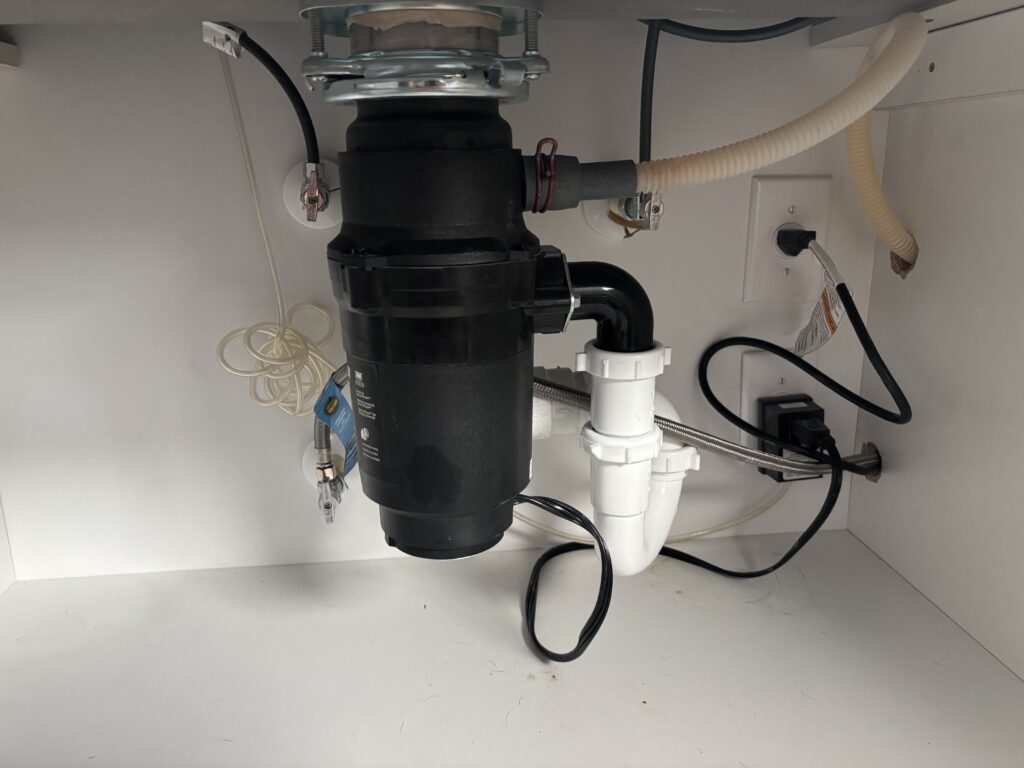
Fibrous and stringy foods make up another major category of items that destroy your garbage disposal, and they cause a very different kind of failure. Celery, corn husks, artichokes, asparagus, rhubarb, and onion skins all contain tough, stringy fibers that the impellers cannot break apart. Instead of grinding down, these fibers wrap around the moving parts and the central rotor like string around a spool. As the strands tighten, they jam the impellers and put heavy strain on the motor. A jammed motor draws extra power, overheats, and often trips the internal reset switch or burns out entirely. Many homeowners hear the unit hum without spinning and assume the motor died on its own, when a wad of celery strings actually caused the stall. This kind of damage happens fast and often leaves the disposal unable to run at all.
Banana peels, potato skins in large amounts, and the husks from corn share this same risk because of their long, fibrous structure. Pumpkin guts during the fall and the stringy pulp from squash cause the exact same jamming problem when people clean out vegetables over the sink. The fibers do not simply pass through; they collect, twist, and form a tangled clump that grows with each additional scrap. Even when the disposal manages to push some fiber into the drain, those strands snag on rough spots in the pipe and start a new clog farther down the line. This is why a unit can seem fine for weeks and then suddenly seize during a holiday meal when the kitchen sees heavy use. The combination of volume and fiber overwhelms a machine that was never built to handle it. Treating these foods as trash items rather than disposal items prevents the whole chain of problems.
The simplest defense against fibrous food damage is to scrape these scraps into your trash or compost bin instead of the sink. If you do grind small amounts, feed them in slowly with plenty of cold water and never push a large handful in all at once. Cold water keeps any fats firm so they break apart rather than smear, and a slow feed gives the impellers time to clear each batch. When a disposal already hums but will not turn, that usually means a fiber jam is holding the rotor in place, and forcing the switch repeatedly only risks burning the motor. A trained plumber can clear the jam safely and check the unit for lasting damage. If your disposal is too far gone to save, a clean replacement restores your kitchen quickly. Want a reliable new unit installed by professionals? Click here for our garbage disposal installation service.
Starchy Foods That Destroy Your Garbage Disposal
Starchy foods are sneaky members of the group that destroys your garbage disposal because they look completely harmless going in. Potato peels, rice, pasta, oatmeal, and bread all expand and turn gummy once they absorb water inside the chamber and the drain line. A handful of leftover rice may seem like nothing, yet it swells to several times its dry size and forms a thick paste. That paste coats the inside of the disposal and the pipe walls, much like the grease problem described earlier. Because the material is soft, the impellers spin right through it without breaking it down or pushing it out. The buildup hardens between uses and slowly chokes the flow of water through your kitchen line. Many homeowners never connect a clogged drain to the bowl of pasta they rinsed days before.
Potato peels deserve special attention because they combine starch with a fibrous skin, giving you the worst traits of two damaging food groups at once. When peels collect at the bottom of the chamber, they trap water and form a dense, sticky layer that clings stubbornly to every surface. Mashed potatoes and other thick, starchy leftovers behave the same way, spreading a glue like film throughout the system. Flour based foods such as bread, dough, and pancake batter react with water to create a paste that sets almost like cement inside the pipe. Each starchy load adds another layer, and the drain narrows a little more with every wash. By the time water starts pooling in the sink, the clog has often spread well beyond the reach of a simple plunger. Heavy starch buildup deep in the line frequently calls for a stronger cleaning method to fully restore flow.
Preventing starch damage comes down to portion control and good habits at the sink. Throw large amounts of pasta, rice, potato peels, and bread directly into the trash rather than the disposal. If you grind a small amount, run cold water for at least twenty seconds afterward to push the particles through before they settle and swell. Avoid stuffing the chamber full and grinding in one big batch, because that overwhelms the unit and guarantees buildup downstream. When starch and grease combine inside an older drain, the resulting blockage can resist standard cleaning entirely. In those cases a high pressure water cleaning scours the pipe walls clean from the inside. Dealing with a stubborn, deep kitchen clog? Click here for our hydro jetting service.
Warning Signs Your Garbage Disposal Has Food Damage
Food damage rarely announces itself with a sudden breakdown; instead, it sends a series of warning signs that build over time. Learning to read these signals lets you act before a small problem turns into a flooded sink or a dead motor. A healthy disposal runs with a steady, even hum, drains quickly, and stays free of lingering smells. When those normal traits start to change, the unit is telling you that food buildup has taken hold somewhere in the system. The three sections below cover the clearest warning signs that your garbage disposal has food damage, along with what each one means. Catching these signs early often makes the difference between a quick service call and a full replacement. Pay attention to your kitchen sink the way you would any other appliance, and it will keep working for years.
Strange Sounds That Show Garbage Disposal Food Damage
Strange sounds are often the first sign that your garbage disposal has food damage, and the type of noise points to the type of problem. A loud grinding or metallic rattle usually means a hard object slipped into the chamber, but a persistent change in tone often signals fibrous food wrapped around the impellers. When the motor hums without spinning, a jam is almost always holding the rotor in place, frequently caused by celery strings, corn husks, or a wad of peels. That humming sound is a clear distress call, and running the unit longer only forces the motor to overheat. A healthy disposal produces a consistent whir that settles once the food clears, so any sustained struggle deserves attention. Listening to your unit during normal use trains your ear to notice when something changes. The sooner you respond, the less likely the motor is to burn out completely.
A rattling or clunking noise can also mean that buildup has knocked the impellers off balance or that hardened debris is bouncing around the chamber. Fibrous tangles create a slow, labored sound as the motor fights to turn against the resistance. Over weeks, that strain wears down the motor bearings and shortens the life of the entire unit. Some homeowners try to ignore the noise and keep using the disposal, which only deepens the damage and raises the eventual repair cost. A grinding sound paired with slow drainage usually means food has packed into both the chamber and the line below it. Each of these noises tells a slightly different story, but all of them point back to food that the unit could not process. Treating odd sounds as early warnings, rather than minor annoyances, protects your investment.
If your disposal hums, rattles, or struggles, the safest first step is to cut the power at the wall switch and avoid forcing it. Never reach into the chamber with your hand, even when the unit is off, because the impellers can still cause injury. A trained plumber has the tools to clear a jam safely, inspect the motor, and confirm whether the damage is repairable. Repeatedly hitting the reset button without addressing the cause simply masks the problem and risks a burned out motor. Many sound related issues trace back to fibrous or hard foods that should have gone in the trash. A professional inspection finds the root cause instead of treating the symptom. Quick action on a strange noise often saves the whole unit from failure.
Slow Drainage That Shows Garbage Disposal Food Damage
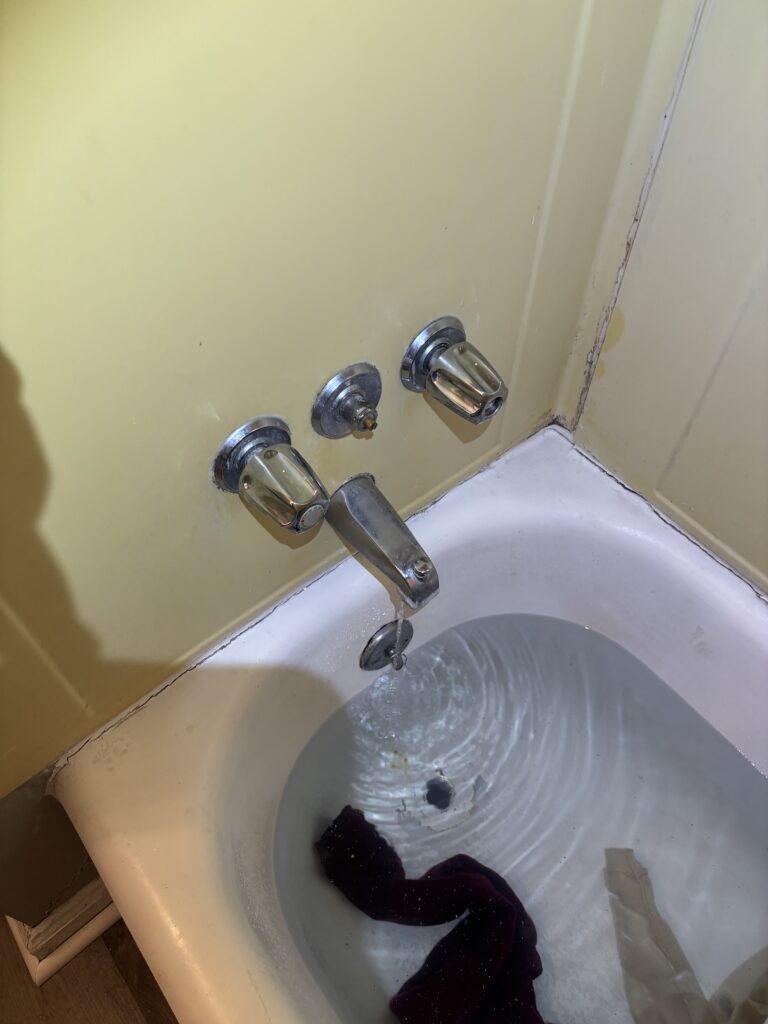
Slow drainage is one of the most reliable signs that your garbage disposal has food damage building inside the line. When water pools in the sink or drains in a sluggish trickle, it means a clog has narrowed the pipe below the unit. Grease, starch, and fiber are the usual culprits, since each one coats or packs the line until water can barely pass. The disposal may still spin normally while the real blockage sits farther down where you cannot see it. Many homeowners blame the unit itself, when the actual problem is the buildup that the disposal pushed into the drain. Slow drainage tends to worsen gradually, so people adjust their habits without realizing how serious the clog has become. By the time the sink fully backs up, the blockage is often large and stubborn.
Standing water that smells stale or shows bits of food floating on top signals that debris is trapped close to the disposal outlet. Gurgling sounds as the water drains tell you that air is struggling to move past a partial clog. If both sides of a double basin sink drain slowly, the blockage usually sits in the shared line beyond the disposal trap. Pouring chemical drain cleaners into the unit rarely solves the issue and can damage the disposal seals and pipes over time. These harsh products also pose a safety risk if they splash back during use. The buildup behind slow drainage needs to be physically removed, not just chemically loosened. That is why professional cleaning works far better than store bought solutions for a fully developed clog.
The right response to slow drainage depends on how far the clog has progressed and what caused it. A minor slowdown sometimes clears with hot water and a manual cleaning of the trap, but a persistent problem points to a deeper blockage. A plumber can run a proper cleaning through the line to remove packed food, grease, and sediment completely. For pipes coated with years of grease and starch, a high pressure flush restores the full diameter of the line. Ignoring slow drainage allows the clog to harden and spread, which turns a simple fix into a major repair. Catching the problem while water still moves keeps the job small and affordable. Steady, fast drainage is the clearest sign that your kitchen line is healthy.
Bad Odors That Show Garbage Disposal Food Damage
Bad odors are a common and unmistakable sign that your garbage disposal has food damage and trapped debris. When food particles cling to the chamber walls, the impellers, or the splash guard, they rot in place and release a sour, musty smell. Grease and starch buildup hold these particles in place and give bacteria a steady food source. The smell often grows stronger in warm weather because heat speeds up the breakdown of organic material. Many homeowners mask the odor with lemon peels or cleaning sprays, but that only hides a problem that keeps growing underneath. A truly clean disposal should smell neutral, so any lingering stink means food is stuck somewhere inside. The odor is your nose telling you that decay is happening in the system.
The underside of the rubber splash guard is one of the most overlooked sources of disposal odor. Food spray collects on those flaps and rarely gets rinsed away during normal use, so it builds into a thick, smelly film. Inside the chamber, grease coats the walls and traps bits of decaying food against the metal. When fibrous strands wrap the impellers, they hold rotting material in the very center of the unit where water struggles to reach. A foul smell that returns quickly after cleaning usually means the buildup runs deeper than the surface. In some cases the odor comes from food rotting in a partial clog farther down the drain line. Tracing the true source of the smell takes more than a quick rinse.
Regular cleaning keeps most disposal odors away, but a smell that will not quit signals a problem that needs real attention. Grinding ice cubes with a little cold water helps knock loose surface debris from the chamber walls. Scrubbing the underside of the splash guard with a brush removes the film that simple rinsing leaves behind. When the odor persists after cleaning, trapped food in the line or a hidden clog is the likely cause. A plumber can clear that buildup and check the unit for damage that traps debris. Persistent smells often go hand in hand with slow drainage, since both point to the same accumulated food. Solving the odor at its source restores a fresh, clean kitchen instead of covering the problem.
Why You Need Professional Garbage Disposal Help in Pittsburgh
A garbage disposal is a small appliance that does a big job, and protecting it takes the right habits plus the right help when problems appear. Most food damage builds quietly over months, so the smartest move is to prevent buildup before it ever clogs your line. When trouble does show up as strange sounds, slow drainage, or bad odors, a professional finds and fixes the real cause rather than masking the symptom. Overbrook Plumbing serves homeowners across the Pittsburgh area with honest pricing and round the clock emergency service. The sections below explain how to protect your disposal, when to call a plumber, and why local families trust our team. A little prevention and the right partner keep your kitchen running smoothly for years.
How to Protect Your Garbage Disposal From Food Damage
Protecting your garbage disposal from food damage starts with knowing what should never go down the drain. Keep grease, oil, fibrous vegetables, starchy foods, coffee grounds, eggshells, and hard items like bones or fruit pits out of the unit entirely. Run cold water before, during, and after every use so that fats stay firm and particles flush all the way through the line. Feed scraps in small amounts rather than stuffing the chamber full and grinding one large load at once. Cold water and slow feeding give the impellers time to break down food without straining the motor.
Routine cleaning keeps the unit fresh and helps you catch small problems early. Grind a few ice cubes with cold water now and then to knock buildup off the chamber walls and impellers. Scrub the underside of the splash guard regularly, since that hidden surface collects the worst of the food film. Avoid chemical drain cleaners, because they damage seals and pipes while rarely clearing a real clog. These simple habits cost nothing and add years to the life of your disposal.
Even with great habits, the drain line beneath the disposal still collects some residue over time. Scheduling an occasional professional cleaning keeps that line clear before grease and starch harden into a blockage. A plumber can also inspect the unit and the connections to catch wear before it leads to a leak. Prevention always costs less than an emergency repair or a full replacement. A well maintained disposal rewards you with quiet, reliable service every day.
When to Call a Plumber for Garbage Disposal Food Damage
Knowing when to call a plumber for garbage disposal food damage saves you money and stress. Call right away when the unit hums without spinning, since a jam is straining the motor and needs to be cleared safely. Reach out when the sink drains slowly or backs up, because that points to a clog in the line that simple tools cannot reach. A persistent bad smell after cleaning is another clear signal that trapped food needs professional removal. These problems rarely fix themselves and almost always grow worse with time.
You should also call a professional when the disposal leaks, trips the breaker repeatedly, or fails to turn on at all. Water under the sink can damage cabinets and flooring, so a leak deserves quick attention. A unit that keeps tripping its reset button is warning you that the motor is overworked or damaged. Trying to force a failing disposal back to life often turns a repair into a full replacement. A trained eye spots the difference and saves the unit when saving it is still possible.
Some homeowners try to handle jams and clogs on their own, and that approach carries real risk. Reaching into the chamber can cause injury, and harsh chemicals can splash or damage the system. A licensed plumber has the tools, training, and safety knowledge to clear the problem the right way. We also check the full drain line so the same clog does not return next month. When in doubt, a quick service call costs far less than the damage a neglected disposal can cause.
Why Choose Overbrook Plumbing for Garbage Disposal Service
Overbrook Plumbing is a local, Pittsburgh based plumbing team dedicated to providing five star service on every call. We bring honest and straightforward pricing to every job, so you always know what to expect before the work begins. Our plumbers are licensed and insured in Pennsylvania, which gives you confidence that the work meets the highest standards. We treat your home with respect and leave your kitchen as clean as we found it. From a simple jam to a full disposal replacement, we handle the job with care and skill.
We also offer 24/7 emergency plumbing services, because a backed up sink does not wait for business hours. Our military and senior discounts are our way of saying thank you to the people who have given so much. We stand behind our work, including a one year labor warranty on tankless water heater installations. That same commitment to quality carries through every disposal repair and installation we perform. When you call us, you reach a neighbor who knows the Pittsburgh area and cares about doing the job right.
Garbage disposal trouble never comes at a convenient time, so reach out the moment you notice a problem. Our team responds quickly, diagnoses the real cause, and gets your kitchen working again without the runaround. We serve homeowners throughout Pittsburgh and the surrounding communities with the same friendly, reliable care on every visit. Call Overbrook Plumbing today at (412) 736-4654 to schedule your garbage disposal service or to ask about any plumbing concern. We are ready to help you keep your kitchen running smoothly all year long.