
How Tree Roots Quietly Wreck Your Sewer Line Every Summer
Summer feels like the safest season for your plumbing, yet it is often the worst time for the buried sewer line running under your yard. While your trees and shrubs look healthy and green above ground, their roots are spreading out underground in search of water. The sewer line carries a steady supply of moisture, warmth, and nutrients, which makes it the single most attractive target in your entire yard during a dry stretch. Tiny cracks or loose pipe joints release a small amount of vapor into the surrounding soil, and roots can sense that vapor from several feet away. Once a thin root finds the opening, it pushes inside and begins to grow into a thick tangle that traps grease, toilet paper, and waste. The damage usually starts long before you notice anything wrong inside the house, which is exactly why so many homeowners get caught off guard. By the time a toilet backs up or a drain refuses to empty, the roots may have been growing inside the pipe for months or even years. Understanding how this happens, and what the early warning signs look like, gives you the chance to act before a small intrusion turns into a collapsed line and a flooded basement.
Why Tree Roots Invade Your Sewer Line During Summer
Tree roots are not random in how they grow; they follow water, oxygen, and nutrients with surprising precision. Your sewer line offers all three in one convenient underground package, and summer makes the pull even stronger because the surface soil dries out fast in the heat. When the easy moisture near the surface disappears, roots dig deeper and stretch farther to find a reliable source. The condensation and vapor escaping from a sewer pipe acts like a beacon, drawing roots straight toward the weakest points in the system. Older neighborhoods around Pittsburgh are especially vulnerable because mature trees have large, established root systems and the original pipes are often decades past their prime. The combination of thirsty roots and aging pipe material is what makes summer the quiet danger season for the line you rarely think about.
How Summer Dryness Pushes Tree Roots Into Your Sewer Line
Hot, dry summer weather changes the behavior of every tree and shrub on your property in ways that directly threaten your sewer line. As the upper layers of soil bake and lose moisture, the fine feeder roots near the surface no longer find enough water to keep the plant healthy. The tree responds by sending roots deeper and wider, hunting for any dependable source of hydration it can reach. A sewer pipe buried a few feet down stays warm and moist year round, so it becomes the obvious destination for roots that are running out of options. The slight temperature difference between the pipe and the surrounding cool soil also creates condensation on the outside of the line, which roots are highly skilled at detecting. Once a root brushes against that damp surface, it changes direction and concentrates its growth at that exact spot. This is why a tree that caused no trouble all spring can suddenly create a major blockage by midsummer. The dry season turns a passive plant into an aggressive seeker that treats your sewer line as a lifeline.
The aggressive search for water is not limited to the trees standing directly over the pipe, and that surprises many homeowners. Root systems commonly extend two to three times the width of the canopy above them, which means a tree planted near the street can easily reach a line running across the middle of the yard. Smaller plants matter too, because shrubs, hedges, and ornamental trees all send out roots that behave the same way during a drought. A homeowner might blame the large oak in the corner while the real culprit is a row of bushes planted years ago near the cleanout. Summer simply intensifies a process that is always happening at a slow pace beneath the surface. The longer the dry spell lasts, the more determined the roots become and the faster they exploit any flaw in the pipe. Regular watering of your landscaping can reduce the pressure somewhat, but it does not remove the underlying attraction to the sewer line. The pipe will always be the most consistent water source available, and roots will always favor consistency.
Soil conditions in the greater Pittsburgh region add another layer to the problem during the warm months of the year. Heavy clay soil holds and releases moisture unevenly, creating dry pockets that send roots searching even when rainfall seems adequate. Slopes and grading common to hilly neighborhoods cause water to drain away from certain areas quickly, leaving the soil around a buried pipe drier than the surface suggests. When you combine fast draining soil with a long summer dry spell, the roots have every reason to converge on the one structure that never runs out of moisture. A line that handled decades of normal use can fail in a single hot season once the roots finally break through. The most reliable way to know what is happening underground is a professional camera inspection of the pipe. If you suspect roots have found your line, you can schedule a sewer line inspection here to see the inside of the pipe before the problem grows.
The Sewer Line Cracks That Let Tree Roots Sneak Inside
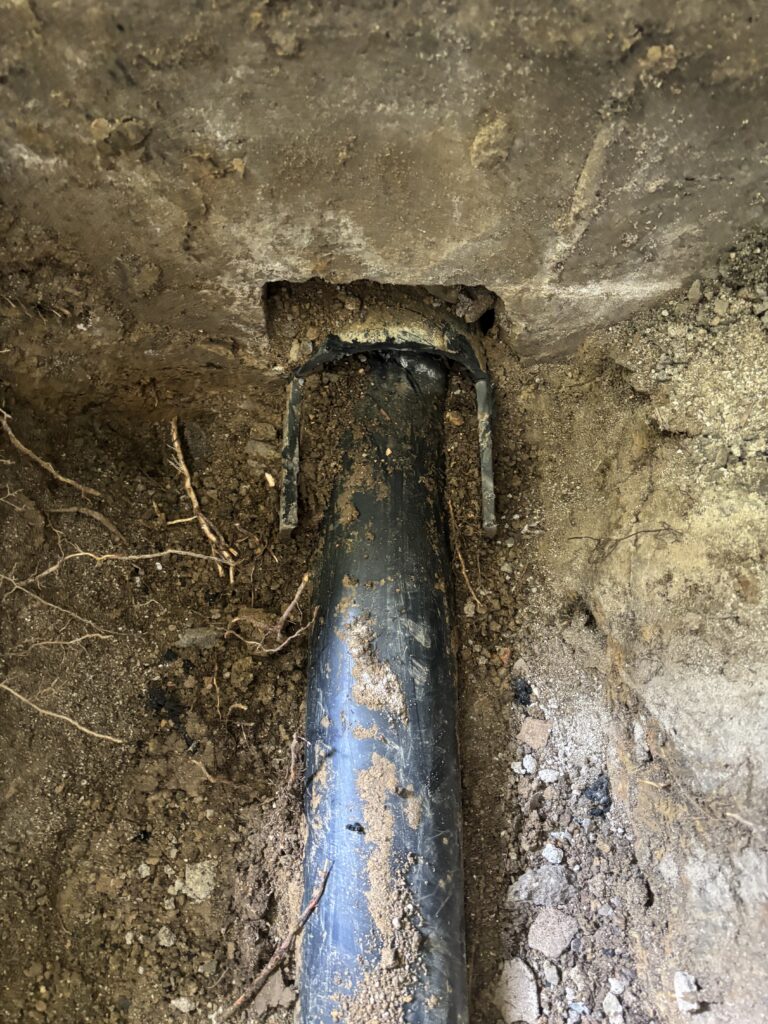
Roots almost never break through solid, intact pipe; they exploit weaknesses that already exist in the sewer line. The most common entry points are the joints where two sections of pipe connect, because those seams can loosen as the ground shifts and settles over time. Even a hairline gap at a joint is enough for a thread thin root to slip through and start growing once it reaches the moist interior. Small cracks from ground movement, freeze and thaw cycles, or the simple weight of soil above also give roots a foothold. After a root enters through one of these openings, it does not stay small for long inside the nutrient rich environment. The constant flow of wastewater feeds rapid growth, and the single thread thickens into a dense mat over a matter of months. That growing mass widens the original crack, which lets even more roots follow the same path.
The way roots expand once inside the pipe is what transforms a minor leak into a serious structural failure. As a root grows in diameter, it presses outward against the pipe wall with steady, relentless force that no plastic or clay material can resist forever. This pressure can split a cracked section wide open, separate a loose joint completely, or even shatter a brittle older pipe. The widening damage allows soil and groundwater to seep into the line, and it lets wastewater leak out into the surrounding yard. Each new gap becomes another invitation for additional roots, so the problem compounds on itself the longer it goes unaddressed. What started as a single intruding strand can become a fist sized clog of intertwined roots and debris. By that stage, simply cutting the roots is rarely a permanent fix because the pipe itself has been compromised.
Catching these cracks early is the difference between a simple cleaning and a costly excavation, which is why diagnosis matters so much. A trained plumber uses a waterproof camera fed through the line to locate the exact spot where roots are entering and to measure how much damage they have caused. The footage reveals whether the issue is a single loose joint, a long crack, or multiple intrusion points spread along the run. Knowing the precise condition of the pipe allows the right repair method to be chosen instead of guessing. In some cases a thorough cleaning followed by a pipe liner restores the line without digging up the yard at all. In more severe cases, a damaged section needs targeted repair or replacement to stop the cycle for good. If your line shows signs of root intrusion, our team handles sewer line repair here to seal the openings and protect the pipe from future invasions.
Why Older Pipes Make Tree Roots in Your Sewer Line Worse
The age and material of your sewer line have an enormous effect on how easily tree roots can invade it. Homes built before the modern era of solid plastic piping often have clay tile pipes, which were installed in short sections joined end to end. Those joints were sealed with mortar or other materials that crumble and shrink over decades, leaving gaps that practically invite roots inside. Clay is also porous and brittle, so it cracks under root pressure far more readily than newer pipe materials. Many older Pittsburgh homes still rely on these original lines, and the trees planted around the same time have grown into massive root systems. The pairing of vulnerable clay and mature trees creates the ideal conditions for repeated root problems summer after summer. Owners of these properties frequently find themselves clearing the same line again and again until the underlying pipe is finally addressed.
Another problem material lurking under some older homes is a fiber based pipe that was popular for a stretch of the twentieth century. This type of pipe was made from layers of wood pulp and tar, and it deteriorates badly with age and moisture exposure. As the material breaks down, it loses its shape, sags, and develops countless soft spots that roots penetrate with ease. A line made from this material can essentially turn to mush in the soil, offering almost no resistance to invading roots. Cast iron lines present their own weakness because they rust and corrode from the inside out over many decades. The rough, corroded interior of an aging cast iron pipe snags debris and gives roots a textured surface to grip and grow against. Each of these older materials reacts to root pressure differently, but all of them surrender to it eventually without intervention.
Knowing what kind of pipe runs under your property helps explain why root problems keep returning and what the lasting solution looks like. A homeowner with a modern, properly joined plastic line may go many years with no root trouble at all. A homeowner with an aging clay or fiber line, by contrast, may face the issue every single summer until the pipe is repaired or replaced. Repeated cleanings buy time, but they do not change the fundamental fact that a failing pipe will keep attracting roots through its many openings. At a certain point, the smart financial choice is to fix the source rather than treat the symptom over and over. Trenchless methods now allow many of these old lines to be relined or replaced with far less digging than in the past. Replacing a deteriorated line with a new one also removes the gaps and cracks that drew the roots in to begin with. When an old line has reached the end of its service life, our crew can handle a full sewer line installation here so root intrusions stop being a yearly headache.
Warning Signs of Tree Roots in Your Sewer Line This Summer
Tree roots rarely announce themselves with a single dramatic failure; instead, they send a series of small signals that build over time. The earliest signs show up at the drains and fixtures inside your home long before any sewage reaches the surface. A drain that empties a little slower than it used to, a toilet that gurgles after a flush, or a faint sewer odor near a floor drain can all point to a partial blockage forming in the main line. Outside, the symptoms appear in the yard as the leaking pipe changes the look and feel of the ground above it. Learning to read these clues early gives you a real chance to stop the roots before they cause a full backup. The homeowners who act on the first signs almost always face smaller repairs than those who wait for raw sewage on the basement floor.
Slow Drains That Point to Tree Roots in Your Sewer Line
A slow drain is one of the most common and most overlooked early signs of tree roots in your sewer line. When roots first enter the pipe, they form a loose mesh that catches solids and slows the flow of wastewater without stopping it completely. You might notice that a sink takes longer to empty, a shower pools water around your feet, or a washing machine drain struggles to keep up. Many people treat each slow fixture as its own small annoyance and reach for a bottle of chemical cleaner. The important clue is that root intrusion in the main line tends to affect more than one drain at the same time. If your kitchen sink, bathroom tub, and laundry drain are all sluggish at once, the problem is likely deep in the shared line rather than at any single fixture. That shared slowdown is the signature of a blockage forming where every drain in the house connects.
Chemical drain cleaners and store bought root products give a false sense of progress that can let the real problem grow worse. These products may dissolve a thin layer of the root mass and restore some flow for a short while, which convinces the homeowner that the issue is solved. The roots, however, are still anchored inside the pipe and they regrow quickly in the warm summer months. Each round of temporary relief is followed by another slowdown, usually a little sooner and a little more severe than the last. Harsh chemicals can also corrode aging pipe from the inside, which adds new weak points for roots to exploit. The pattern of repeated slowing that never fully clears is a strong sign that mechanical removal is needed. Reaching for one more bottle rarely helps and often speeds up the decline of an already fragile line.
The smartest response to chronically slow drains is a professional inspection that identifies the true cause instead of masking it. A plumber can run a camera through the line to confirm root intrusion and to see exactly how far the blockage extends. With that information, the right cleaning method removes the entire root mass rather than just shaving its surface. Powerful mechanical tools and high pressure water cut through roots completely and flush them out of the pipe. Clearing the line fully restores normal flow and buys real time rather than the brief reprieve a chemical offers. Pairing a thorough cleaning with a plan to repair the pipe stops the roots from simply growing back. If your drains keep slowing down across the whole house, our drain cleaning service here gets to the root of the problem and restores proper flow.
Gurgling Toilets Caused by Tree Roots in Your Sewer Line
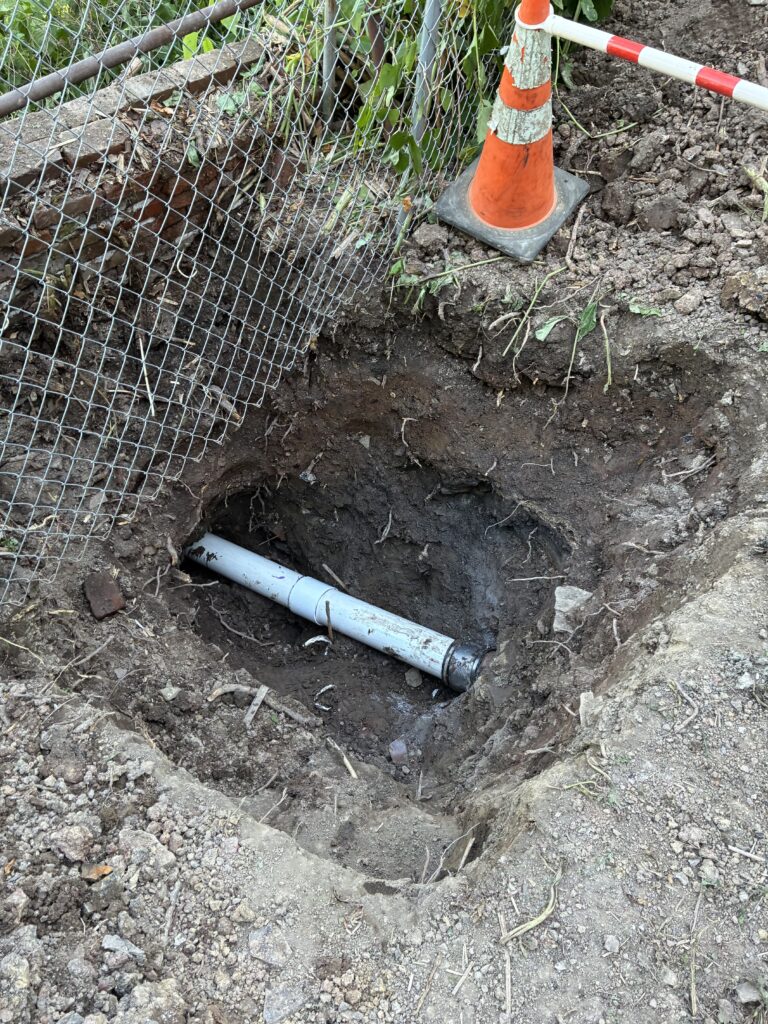
A gurgling toilet is one of the clearest audible warnings that tree roots are interfering with your sewer line. The strange bubbling or glugging sound happens because air trapped behind a partial blockage gets forced back up through the toilet bowl. As wastewater struggles to pass the root mass, the pressure in the line changes and pushes air through the path of least resistance. The toilet, sitting at the lowest and most direct connection to the main line, becomes the place where you hear and see the disturbance. You may notice the water level in the bowl rising and falling on its own or bubbles appearing after you run a nearby sink. These sounds tend to grow louder and more frequent as the root blockage thickens through the summer. A toilet that gurgles regularly is rarely a minor issue and should not be ignored.
The location of the gurgling and the fixtures involved can tell a plumber a great deal about where the trouble sits. When flushing a toilet causes a nearby tub or floor drain to gurgle or bubble, the blockage is almost certainly in the shared main line below. This cross reaction between fixtures is a hallmark of a main line obstruction rather than a problem with the toilet itself. Replacing parts inside the tank or plunging the bowl will do nothing because the actual restriction lies far downstream. Some homeowners spend money on toilet repairs that never touch the real cause buried in the yard. Understanding that the sound is a symptom of the main line saves both time and unnecessary expense. The toilet is simply the messenger reporting a problem that started with roots breaking into the pipe.
Acting on a gurgling toilet early can prevent the far worse experience of a complete sewage backup into your home. Once roots fully block the line, wastewater has nowhere to go and begins to back up through the lowest drains in the house. That often means raw sewage rising into a basement floor drain, a downstairs shower, or the toilet itself. A backup of this kind is messy, unsanitary, and costly to clean up, and it usually arrives without much additional warning. The gurgling stage is the window of opportunity before that point, and it is the ideal time to call for an inspection. Catching the issue while air is still bubbling through, rather than after sewage appears, keeps the repair smaller and the cleanup minimal. Treating a gurgling toilet as the serious signal it is can spare you a genuine plumbing emergency.
Yard Changes That Reveal Tree Roots in Your Sewer Line
The condition of your yard often reveals a leaking, root damaged sewer line before any major problem reaches the inside of your home. When roots crack open a pipe, wastewater seeps into the surrounding soil and delivers a steady dose of water and nutrients to the ground above. The result is frequently a patch of grass that grows faster, greener, and thicker than the rest of the lawn even during a dry summer. A lush stripe or circle running across an otherwise stressed yard is a telltale sign of a line leaking beneath it. Many homeowners are pleased by the extra green growth at first, not realizing it is being fed by their own sewage. That unusually healthy patch is a clear flag that the pipe below has been compromised by roots.
Beyond the bright green growth, a damaged sewer line creates other physical changes in the yard that are easy to spot once you know what to look for. Soggy, spongy areas of ground that stay wet long after rain has passed often mark the path of a leaking line. You might notice a persistent foul odor in part of the yard, especially on warm days when the smell of sewage carries through the air. Small depressions or sinkholes can form as soil washes into the cracked pipe and the ground above settles into the gap. Pests such as flies and rodents are sometimes drawn to the area because of the moisture and waste. Each of these changes points to wastewater escaping the line through openings that roots have created or widened. Together they paint a picture of a pipe that needs attention before it fails completely.
Spotting yard symptoms early is a real advantage because outdoor signs often appear while the line is still functioning inside the home. At this stage you have time to schedule an inspection on your own terms rather than reacting to a sudden backup. A camera inspection confirms the location of the leak and shows how badly the roots have damaged the pipe. From there, the right combination of cleaning and repair restores the line and stops the leaking that feeds the surface symptoms. Addressing the issue also protects your foundation and landscaping from the slow damage that constant moisture causes. Ignoring the signs allows the leak to keep undermining the soil and the structures nearby. The green patch in your yard is not a gardening success; it is an early alert that the sewer line underneath deserves a professional look.
Why You Need Professional Sewer Line Help for Tree Root Damage
Tree root damage in a sewer line is one of those problems that almost never improves on its own and almost always grows worse without expert help. The roots are anchored inside the pipe, often through multiple cracks and joints, and surface level fixes cannot reach the true source. Professional plumbers bring the cameras, cutting tools, and high pressure equipment needed to diagnose the line and clear it completely. They also have the training to read the condition of the pipe and recommend a repair that lasts rather than a quick patch. Acting with the right help turns a recurring summer nightmare into a problem you solve once and put behind you. The sooner the line is inspected and treated, the smaller and less expensive the fix tends to be.
How a Sewer Line Camera Inspection Finds Tree Root Damage
A camera inspection is the foundation of any honest plan to deal with tree roots in your sewer line. A plumber feeds a flexible, waterproof camera through an access point and watches a live video feed of the inside of the pipe. This view shows exactly where roots have entered, how thick the mass has grown, and what condition the surrounding pipe is in. There is no guessing and no unnecessary digging, because the footage tells the real story of the line. The inspection also reveals other issues such as corrosion, sagging, or cracks that might otherwise go unnoticed. Seeing the problem clearly is the first step toward fixing it correctly.
The information from a camera inspection protects you from paying for the wrong repair or for work you do not actually need. A plumber can show you the footage and explain precisely what is happening underground in plain terms. With that evidence, you can compare options such as cleaning, relining, or replacing a section of pipe with full confidence. The inspection prevents the frustrating cycle of repeated cleanings that never address a failing pipe. It also documents the condition of the line, which is useful if you are buying, selling, or simply planning ahead. Knowledge of the true state of the pipe puts you in control of the decision.
Overbrook Plumbing treats the camera inspection as a chance to give you straight, honest answers about your sewer line. Our team locates every point of root intrusion and measures the real extent of the damage before recommending anything. We believe you deserve to see the problem for yourself rather than take our word on faith. That transparency reflects the way we approach every job, with clear pricing and no pressure to buy more than you need. An accurate inspection lets us match the right solution to your specific situation. Starting with a thorough look inside the pipe is how we make sure the repair actually solves the problem.
How Hydro Jetting Clears Tree Roots From Your Sewer Line
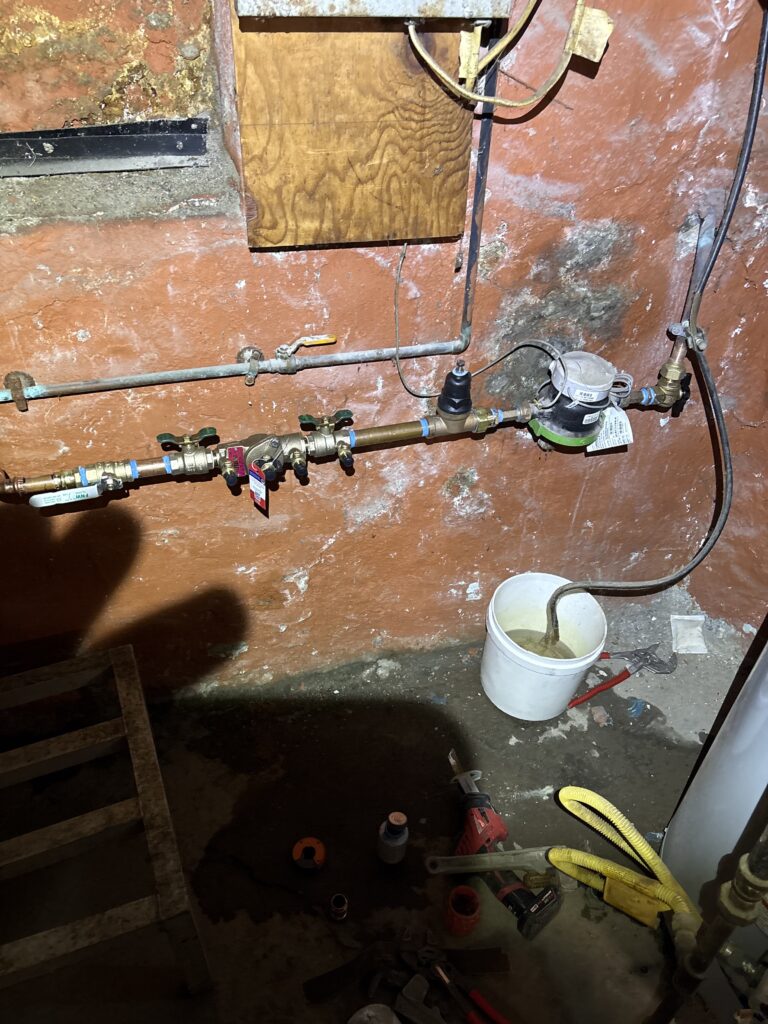
Hydro jetting is one of the most effective methods available for removing tree roots from a sewer line completely. The process uses a specialized hose that blasts water through the pipe at very high pressure, cutting through roots and scouring the pipe walls clean. Unlike a simple snake that pokes a hole through a clog, hydro jetting clears the entire diameter of the line. The force of the water slices through even thick root masses and flushes the debris out of the system. This thorough cleaning leaves the pipe much closer to its original capacity than a basic rooter pass ever could. For root problems, the deep clean of hydro jetting often makes the difference between a lasting result and a quick relapse.
The strength of hydro jetting also makes a professional assessment important before the work begins. The high pressure that cuts roots so well can damage a pipe that is already severely deteriorated or close to collapse. This is exactly why a camera inspection comes first, so the plumber knows the pipe can handle the process safely. On a sound line, hydro jetting is a powerful and efficient way to restore full flow in a single visit. On a fragile line, the inspection guides the team toward a gentler approach or a needed repair instead. Pairing the right diagnosis with the right cleaning method keeps the line safe while still removing the roots. That careful sequence is part of doing the job correctly rather than quickly.
A clean line is only part of the solution, since the cracks and joints that let roots in are still there after the jetting. The most durable results come from combining a thorough hydro jetting with a repair that seals those openings for good. Removing the roots restores flow today, and repairing the pipe keeps them from growing back next summer. Our team explains this complete approach so you understand what each step accomplishes. If your line is a candidate for a deep clean, our hydro jetting service here clears the roots and gives you a fresh starting point. From there we help you protect that investment with the right long term fix.
Why Choose Overbrook Plumbing for Sewer Line Tree Root Damage
Overbrook Plumbing is a local, Pittsburgh based team that understands the older pipes and mature trees common throughout our service area. We work in neighborhoods like Mount Lebanon, Bethel Park, Upper St. Clair, and many more, so we know the soil and the kinds of lines beneath these homes. Our plumbers are licensed and insured in Pennsylvania, which gives you confidence that the work meets the standards your home deserves. We back that experience with honest, straightforward pricing so you always know what you are paying for and why. There are no surprise charges and no pressure to approve work you do not need. That reputation for ethics is something our team protects on every single job.
Tree root emergencies rarely wait for a convenient time, and our 24/7 emergency plumbing service means help is available when a backup strikes. A sewage backup at night or over a weekend is stressful, and a fast response keeps the mess and the damage to a minimum. We also extend military and senior discounts as a genuine thank you to the people who have given so much to our community. Our goal on every call is to deliver five star service from the first phone call to the final cleanup. We treat your home with respect and leave the area clean when the work is done. That commitment to care is what keeps our neighbors calling us back.
When tree roots threaten your sewer line this summer, the smartest move is to call a team that fixes the problem the right way the first time. Our plumbers diagnose the line with a camera, clear the roots with the proper method, and seal the openings so the trouble does not return. We are happy to walk you through the footage and your options so you can make a confident decision. You can reach Overbrook Plumbing at (412) 736-4654 to schedule an inspection or to get fast help during an emergency. Want a closer look inside your pipe before the roots take over? Click here for our sewer line inspection service and let our local team protect the line under your yard this summer.