
How One Dripping Faucet Wastes Hundreds of Gallons a Month
A single dripping faucet looks harmless, yet it quietly drains water around the clock. Most homeowners walk past that slow drip for weeks, sometimes months, without giving it a second thought. The sound fades into the background, and the small puddle in the sink seems too minor to matter. Behind that steady drip, the numbers add up fast. A faucet that drips once per second can waste more than 3,000 gallons of water every year, which lands squarely in the hundreds of gallons every month. That wasted water shows up on your bill, strains your fixtures, and points to a part inside the faucet that has already started to fail. The good news is that the fix is usually simple when you catch it early. This guide breaks down exactly how the waste happens, what causes it, and when it makes sense to call a licensed plumber.
How a Dripping Faucet Wastes Hundreds of Gallons a Month
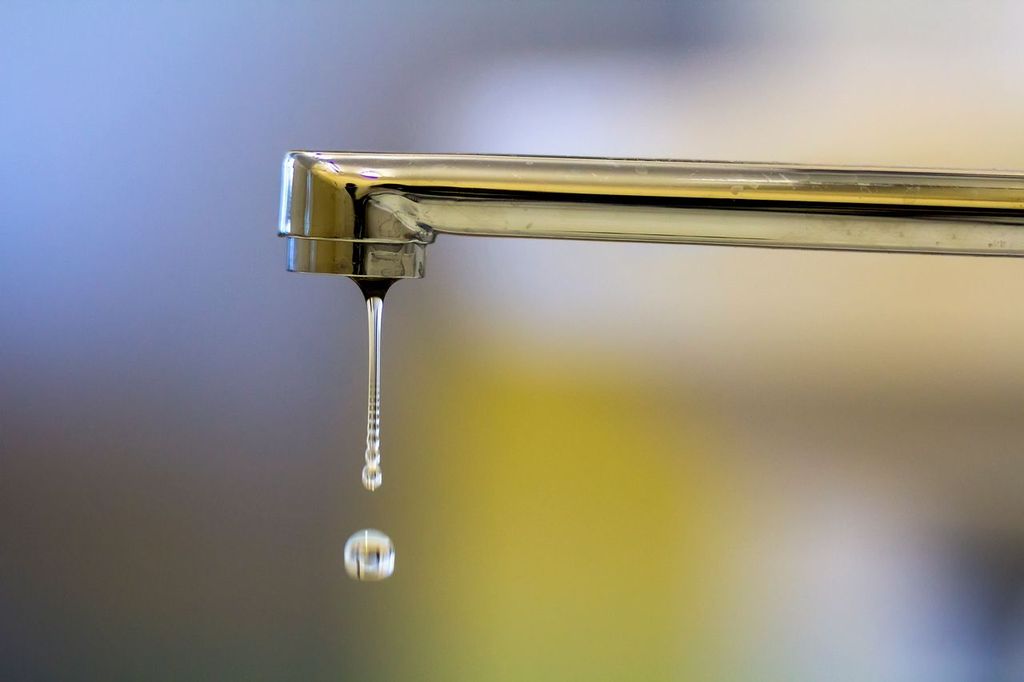
The waste from a dripping faucet feels invisible because each drop is so small. One drop holds only a fraction of a milliliter, so a single drip never seems worth chasing. The real problem is volume over time, since that drip never stops. A faucet running at one drip per second produces thousands of drops every hour, and those drops gather into a measurable loss by the end of the day. Multiply that daily loss across thirty days, and the total climbs into the hundreds of gallons. Faster drips waste even more, and a thin steady stream can triple the loss. Hot water drips cost extra, because you pay to heat water that goes straight down the drain. Understanding the math makes the urgency clear.
The Real Math Behind a Dripping Faucet Wasting Gallons a Month
The math behind a dripping faucet is easier to follow than most people expect. Start with the rate, because the speed of the drip controls everything. The United States Environmental Protection Agency estimates that a faucet dripping once per second wastes more than 3,000 gallons in a single year. Divide that figure across twelve months, and you land at roughly 250 gallons every month. That total comes from one slow, steady drip that you can barely hear. A faucet that drips two or three times per second doubles or triples the number fast. Picture 250 gallons as five full bathtubs poured down the drain each month for no reason at all. The waste is very real, even when the drip looks tiny.
Many homeowners underestimate the loss because they only see the drip, never the gallons. A drop of water is small, so the brain files it away as unimportant. Time changes that picture in a hurry. There are 86,400 seconds in a day, which means a one drip per second faucet produces 86,400 drops daily. Those drops add up to several gallons by morning, and the cycle repeats without pause. Weekends, holidays, and long vacations make no difference, since the faucet keeps dripping while you are away. The total keeps growing even when no one is home.
Faucet type also shapes how fast the waste piles up. A bathroom faucet with a slow drip might lose a few hundred gallons monthly, while a kitchen faucet with a faster leak can lose far more. Outdoor spigots and utility sink faucets often drip unnoticed for months, which pushes the yearly total even higher. The size of the worn part matters too, because a badly damaged washer lets more water slip past with each cycle. Water pressure inside your home adds another variable, since higher pressure forces more water through the same tiny gap. Every one of these factors stacks on top of the base rate. The lesson stays the same no matter the faucet: a drip you ignore becomes a number you pay for.
How a Dripping Faucet Wastes Gallons a Month on Your Water Bill
Your water bill is where the dripping faucet finally gets your attention. Water utilities charge by volume, usually measured in gallons or cubic feet, so every wasted gallon carries a price. A faucet wasting 250 gallons a month adds that volume to your usage total, statement after statement. On its own, one drip might add only a few dollars to a single bill. Several dripping fixtures across a home turn that small charge into a noticeable jump. Households on a well still pay, because the pump runs longer and uses more electricity to replace the lost water. The bill always tells the truth, even when your ears tune out the drip.
Hot water drips deserve extra attention, because they cost more than cold water drips. When the leak comes from the hot side of the faucet, your water heater works to warm water that escapes before you ever use it. That means you pay twice, once for the water and again for the energy used to heat it. Gas and electric water heaters both feel this strain, and the added runtime shortens the life of the tank. A slow hot water drip in summer can quietly raise both your water bill and your energy bill. Many homeowners blame the season or the utility rates, never the faucet. The drip stays the real culprit.
Tracking your usage helps you spot a dripping faucet before the bill spikes. Compare your current statement to the same month last year, since seasonal patterns tend to repeat. A sudden rise with no change in habits often points to a hidden leak or a dripping fixture. Your water meter offers another quick test, because a meter that moves while every faucet is off signals a leak somewhere in the system. Catching the trend early saves real money over a full year. Repairs almost always cost less than the water you keep wasting. Need faucet repair? Click here for our faucet repair service.
How a Dripping Faucet Wastes Gallons a Month Without You Noticing
Plenty of dripping faucets waste water in places no one checks often. A basement utility sink, a garage spigot, or a guest bathroom can drip for months between visits. The drip blends into normal household noise, so your ears stop registering it. Out of sight truly becomes out of mind with plumbing. By the time someone notices, the faucet has already wasted thousands of gallons. The slow pace of the loss hides the scale of the problem. Small and steady still adds up to large and expensive.
Not every leak announces itself with an obvious drip into the sink. Some faucets leak inside the wall or under the cabinet, where the water never reaches the basin. These hidden leaks waste just as much water while also threatening your home. Damp cabinet floors, musty smells, and warped wood often point to a slow leak you cannot see. Mold growth follows moisture, and that creates a health concern on top of the water waste. A faucet that drips inside the structure can cause real damage long before you find the source. Hidden leaks make professional detection worth the call.
Finding these quiet leaks early protects both your water bill and your home. A simple walk through your house once a month can catch a drip before it grows. Check under sinks, around the base of every faucet, and at all of your outdoor spigots. Listen for that faint ticking sound in a quiet room, since your ears can find what your eyes miss. Trust your nose too, because a musty smell often signals moisture you have not located yet. Want to find hidden leaks in your home? Click here for our leak detection service.
What Causes a Faucet to Drip and Waste Water Every Month
A dripping faucet almost always traces back to a worn or damaged internal part. Faucets rely on small components that create a tight seal when the handle turns the water off. Over time, those parts wear down from constant use, mineral buildup, and water pressure. Once the seal fails, water slips past and drips from the spout. The exact part depends on the faucet type, since compression, cartridge, ball, and ceramic disc faucets each work in their own way. Knowing the likely cause helps you understand the repair and the cost. Most of these parts are inexpensive, though reaching them takes the right tools and some experience. The sections below cover the most common reasons a faucet drips month after month.
Worn Washers Cause a Faucet to Drip and Waste Water Every Month
Worn washers rank as the most common cause of a dripping faucet in older homes. Compression faucets use a rubber washer that presses against a valve seat to stop the flow. Every time you turn the handle, that washer grinds against metal. After thousands of uses, the rubber stiffens, cracks, or flattens out. A worn washer can no longer form a tight seal, so water leaks through and drips from the spout. This style of faucet shows up in many houses built before modern cartridge designs took over. The fix usually means replacing the cheap washer with a fresh one.
Replacing a washer sounds simple, and sometimes it is, yet the details matter. The new washer has to match the exact size and shape of the old one. A washer that sits even slightly off keeps dripping or wears out fast. The valve seat underneath also needs inspection, because a corroded seat will chew through a fresh washer quickly. Hard water in the Pittsburgh area speeds up that corrosion with mineral deposits. A proper repair cleans or replaces the seat along with the washer. Skipping that step leaves you right back where you started within weeks.
Many homeowners try a washer swap themselves, which can work on a straightforward job. Trouble starts when the valve seat is damaged or the handle parts are seized with corrosion. Forcing a stuck component can crack the faucet body and turn a small repair into a full replacement. A licensed plumber carries the right tools and the matching parts for the job. We also spot related wear that a quick fix might miss entirely. Smart homeowners weigh the small repair cost against the gallons lost every single month.
Bad Cartridges Cause a Faucet to Drip and Waste Water Every Month
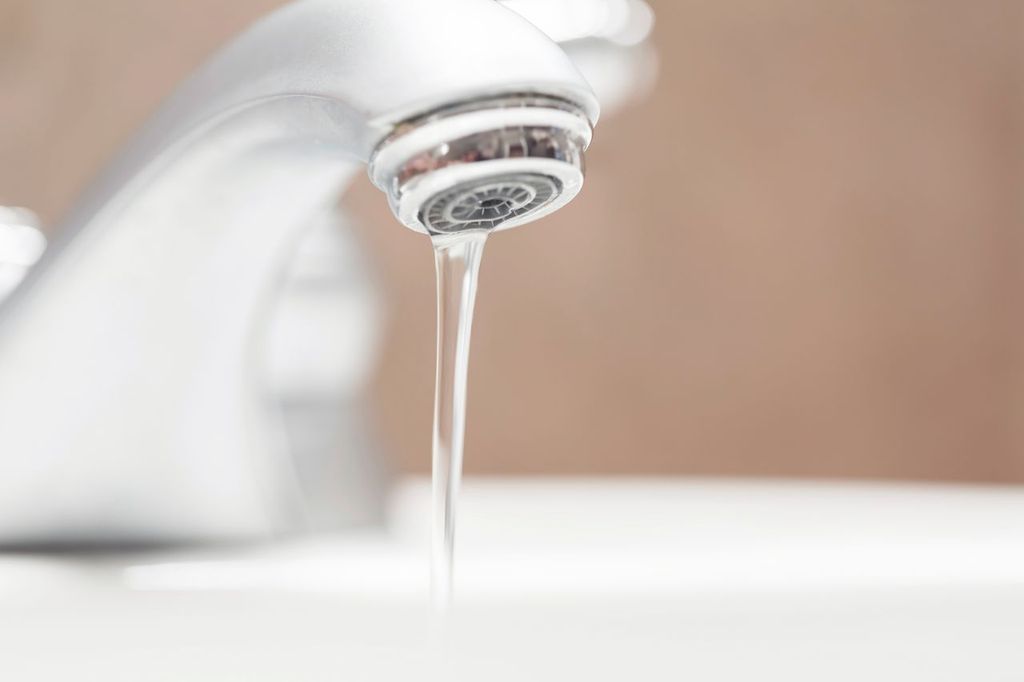
Cartridge faucets use a different mechanism, and the cartridge itself often causes the drip. A cartridge is a sealed unit that controls water flow and temperature when you move the handle. Inside, small rubber seals and ports line up to start and stop the water. These seals wear out with use, and the cartridge can crack or clog with mineral buildup. Once that happens, water leaks past the worn cartridge and drips from the spout. Single handle faucets in kitchens and bathrooms commonly use this design. The repair centers on pulling the old cartridge and installing a new one.
Cartridge replacement requires matching the exact model, since brands and styles vary widely. The wrong cartridge will not seat correctly, and the drip continues or gets worse. Some cartridges need a special tool to remove, especially after years of mineral lock. Turning off the water supply first is essential, because skipping that step floods the room fast. Once the new cartridge is in, the handle should move smoothly and shut off cleanly. A proper repair also checks the O rings and seals around the spout. These small parts often wear out alongside the cartridge.
A dripping cartridge faucet rarely fixes itself, so the waste continues until you act. Mineral rich water common to many Pittsburgh homes shortens cartridge life. Replacing the cartridge restores the seal and stops the constant drip into the sink. When a faucet is very old or the parts are no longer made, a new faucet often makes more sense than chasing repairs. We can help you decide between a repair and a replacement based on the fixture and your budget. Want a new faucet installed the right way? Click here for our faucet installation service.
High Water Pressure Causes a Faucet to Drip and Waste Water Every Month
High water pressure is a hidden cause of dripping faucets that many homeowners overlook. Water pressure that runs too high forces water through the system harder than the fixtures can handle. That extra force pushes water past worn seals and even past parts that still look fine. The result is a faucet that drips after you shut it off, sometimes only at certain times of day. Pressure often spikes at night when neighborhood demand drops. A faucet that drips overnight but stays quiet during the day may point to a pressure problem. The fix lives in the system, not just the faucet.
Most homes run best with water pressure between 40 and 60 pounds per square inch. Pressure above 80 psi strains every faucet, valve, and appliance connected to your plumbing. That strain wears out washers and cartridges faster than normal use alone. It also stresses your water heater, dishwasher, and washing machine over time. A pressure reducing valve installed on the main line keeps the whole system in a safe range. A plumber can test your pressure in minutes with a simple gauge on an outdoor spigot. Solving the pressure issue protects every fixture, not just the one that drips.
Ignoring high pressure means your repairs never seem to last. You replace a washer, the drip stops, then it returns a few weeks later. That cycle frustrates homeowners and wastes money on parts that fail early. Testing and correcting the pressure breaks the loop for good. A proper diagnosis looks at the whole plumbing system instead of one faucet at a time. Fixing the root cause saves water, money, and the headache of repeat repairs.
Why You Should Fix a Dripping Faucet Before It Wastes More Water
A dripping faucet rarely heals on its own, and every day of delay adds to the waste. The repair cost is almost always small next to the value of the water you keep losing. Acting early also protects your cabinets, floors, and fixtures from slow moisture damage. A quick repair restores a clean, quiet faucet and trims your monthly bill. The decision comes down to a few dollars of parts and labor against hundreds of wasted gallons. Choosing a licensed local plumber gets the job done right the first time.
Fix a Dripping Faucet to Stop Wasting Water and Save Money
Fixing a dripping faucet quickly is one of the easiest ways to lower a water bill. The repair often takes less than an hour and uses inexpensive parts. Once the drip stops, the savings begin immediately and continue every month. A faucet that wasted 250 gallons monthly now wastes none. Over a full year, that single fix can save thousands of gallons. Few home repairs pay for themselves as fast as stopping a drip.
Beyond the savings, a fixed faucet brings back peace and quiet to your home. The constant drip into the sink stops, and the stained basin can finally stay clean. Mineral spots and rust rings around the drain no longer build up. A working faucet shuts off with a clean turn of the handle every time. Small comforts like these add up to a home that simply works. The fix improves daily life along with the bill.
Prompt repairs also prevent a small drip from becoming a much bigger problem. A worn part left alone can fail completely and turn a drip into a steady stream. Moisture under the sink invites mold and rot over time. Catching the issue early keeps the repair small and the cost low. Routine attention to your faucets protects the whole plumbing system. The smart move is to handle the drip the moment you notice it.
When to Call a Plumber to Fix a Dripping Faucet
Some dripping faucets call for a professional from the very start. A faucet that keeps dripping after a do it yourself repair points to a deeper issue. Corroded parts, a damaged valve seat, or a pressure problem all need expert tools and experience. Older faucets with discontinued parts often stump a quick home fix. A licensed plumber diagnoses the real cause instead of guessing. That accuracy saves you from buying parts you do not need.
Call a plumber right away when a drip comes with other warning signs. Low water pressure, discolored water, or strange noises in the pipes suggest more than a worn washer. Water pooling under the sink or inside a wall demands fast action. These symptoms can signal a leak that threatens your home, not just your bill. A trained eye connects the symptoms to the true source. Acting early keeps a small repair from turning into a major one.
A professional repair also comes with the confidence that the job holds up. We carry the matching parts for the major faucet brands found in Pittsburgh homes. Our team checks the surrounding components so one repair does not lead to another. We test the faucet and the water pressure before we leave. That thorough approach stops the drip and keeps it stopped. Calling early gives you a faucet that works and a bill that drops.
Why Choose Overbrook Plumbing to Fix Your Dripping Faucet
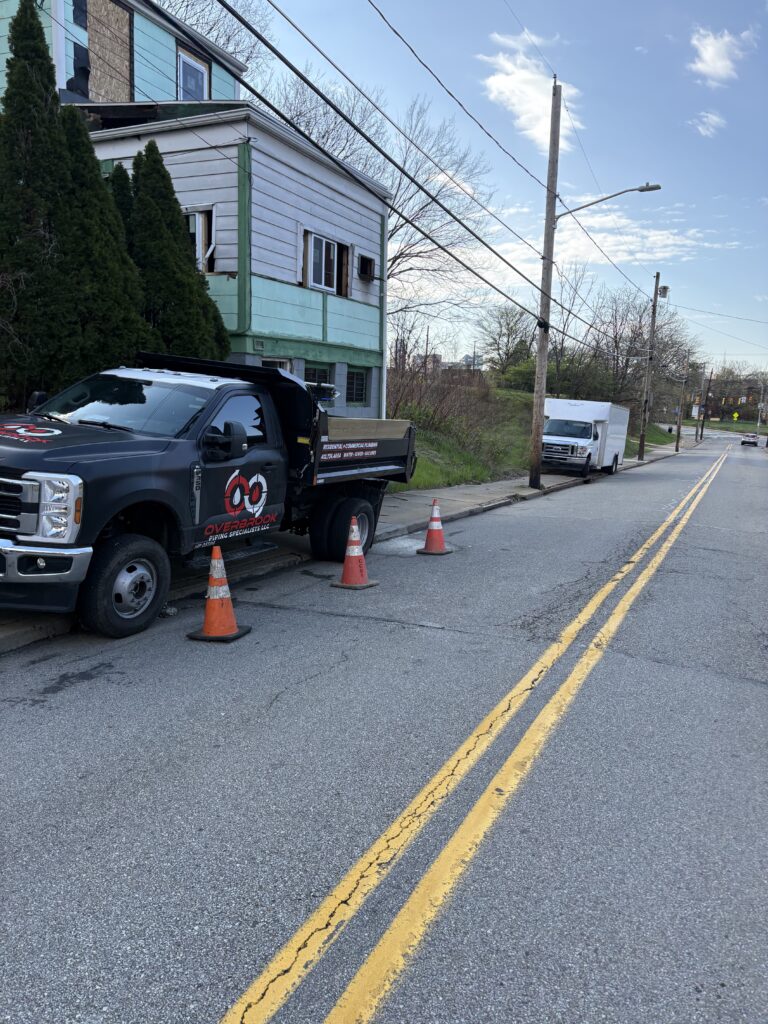
Overbrook Plumbing is a local, Pittsburgh based team dedicated to honest, five star service. We offer honest and straightforward pricing, so you know the cost before the work begins. Our plumbers are licensed and insured in Pennsylvania, which protects you and your home. We treat every dripping faucet with the same care, large job or small. Our focus stays on doing the work right the first time. That standard has earned the trust of homeowners across the region.
We know a dripping faucet can happen at any hour, so we offer 24/7 emergency plumbing services. A sudden leak never has to wait until morning. We also thank our community with military and senior discounts on our work. Tankless water heater installs even come with a one year labor warranty for added peace of mind. These commitments reflect the ethos at the heart of our company. We aim to give every customer a reason to call again.
Stopping a dripping faucet today saves hundreds of gallons every month and protects your home from waste. Our experienced team finds the cause, fixes the leak, and leaves your faucet working like new. We serve Pittsburgh and the surrounding communities with fast, friendly, reliable plumbing. Reach out the moment you spot a drip, and we will take care of the rest. Call Overbrook Plumbing today at (412) 736-4654 to schedule your faucet repair. Let our local team put an end to the drip and the waste for good.