
How Long a Water Heater Really Lasts Before It Fails
Your water heater works hard every single day, and most homeowners rarely give it a second thought until the hot water suddenly stops. The truth is that a water heater has a fairly predictable lifespan, though the exact number of years depends on the type of unit and how well it is cared for. A standard tank water heater usually lasts somewhere between 8 and 12 years, while a tankless model can run strong for two decades or more. Hard water, heavy daily use, and skipped maintenance can all cut those numbers down fast. Knowing the real timeline helps you plan ahead instead of getting caught with a cold shower on a busy morning. It also saves you money, since a failing unit often wastes energy long before it quits completely. Understanding the warning signs gives you time to repair or replace the heater on your own schedule. This guide breaks down how long a water heater really lasts and what pushes it toward an early breakdown.
How Long a Water Heater Lasts Based on Type and Daily Use
The lifespan of a water heater is not a single fixed number; it shifts based on the design of the unit and the demands of your household. Tank style heaters store and reheat water around the clock, which puts steady stress on the tank walls and heating components. Tankless units heat water only when you need it, so they avoid much of that constant wear. Your family size matters too, since a home with five people draws far more hot water than a household of one or two. The mineral content of your local water supply plays a major role as well, because hard water leaves deposits that wear parts down. Even the quality of the original installation affects how many years you get. A unit that was sized correctly and vented properly tends to outlast one that was rushed. Below we look at each type of heater and the factors that shape its working life.
The Average Water Heater Lifespan for Tank Models
A traditional tank water heater is the most common type found in homes across the Pittsburgh area, and it typically lasts between 8 and 12 years. The tank holds a large volume of water and keeps it hot using either a gas burner or electric heating elements. Over time, the inside of the tank takes a beating from heat, pressure, and minerals in the water. Most manufacturers build these units with a steel tank lined with a thin layer of glass to slow down corrosion. That glass lining eventually cracks and wears, which exposes the metal to rust. Once rust takes hold, the tank itself begins to fail, and a leaking tank cannot be repaired. At that point, replacement is the only safe option. The good news is that steady care can push a tank model toward the higher end of its expected range.
The anode rod is one of the most important parts inside a tank water heater, and it has a direct effect on how long the unit lasts. This rod is made of a metal that corrodes on purpose so the tank does not. Plumbers often call it the sacrificial rod for exactly that reason. As the years pass, the rod slowly dissolves until there is nothing left to protect the steel. A worn out anode rod left in place is one of the fastest ways to ruin a tank early. Replacing this single part every few years can add real time to the life of the heater. Many homeowners never know the rod exists until a professional points it out during a service visit.
Where your tank water heater sits also shapes how long it will last in your home. A unit installed in a damp basement or a cold garage works harder during the winter months to keep water hot. Constant temperature swings stress the tank and the heating components over the years. Water pressure that runs too high adds another layer of strain to the tank and the connections. A pressure reducing valve and an expansion tank can ease that load and protect the unit. Flushing the tank once a year removes the sediment that settles at the bottom. These small steps are the difference between a heater that quits at year eight and one that serves you well past year twelve.
How Long a Tankless Water Heater Lasts Compared to Tank Units
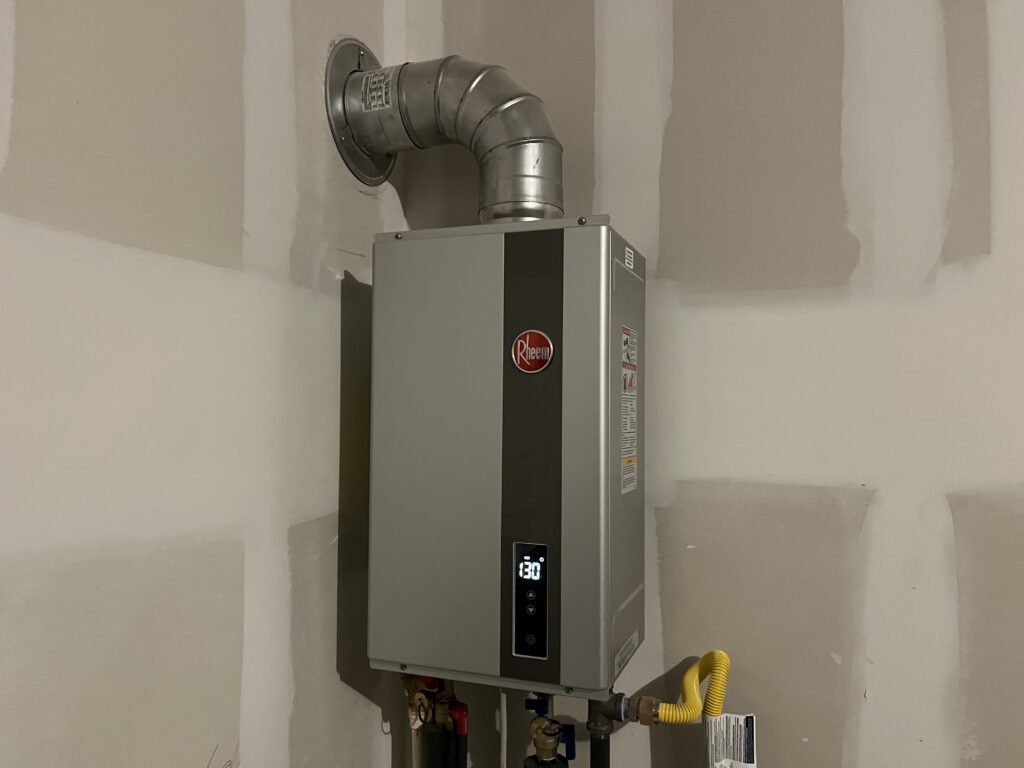
A tankless water heater takes a very different approach, and it usually lasts far longer than a standard tank model. Instead of storing hot water, it heats water instantly as it flows through the unit on demand. This design removes the standing tank of water that slowly corrodes year after year. Many tankless units last 20 years or more when they receive regular care. Some quality models reach the 25 year mark in homes with soft water and steady maintenance. The components inside are also built to be serviced and replaced rather than thrown away. That repairable design is a big reason these systems outlive their tank cousins.
The longer lifespan of a tankless water heater comes with a few conditions that homeowners should understand. These units are sensitive to hard water, and mineral scale can build up inside the heat exchanger over time. Scale forces the unit to work harder, which lowers efficiency and shortens its working life. A yearly descaling service keeps the heat exchanger clean and the unit running strong. Homes with very hard water often pair a tankless heater with a water softener for added protection. The upfront cost of a tankless unit is higher than a tank model, but the longer service life often balances that out. Curious about upgrading to a system that can outlast two tank heaters? Click here for our tankless water heater service.
Tankless water heaters also save space and energy, which adds value beyond their long life. Because they only run when hot water is called for, they do not waste energy keeping a full tank warm all day and night. A single tankless unit can supply endless hot water for a busy household, as long as it is sized correctly for the demand. Sizing matters a great deal, since an undersized unit struggles and wears out faster. A professional load calculation makes sure the system matches your peak usage. Proper installation and venting protect the long term performance of the unit. When set up right, a tankless heater is one of the longest lasting appliances in the house.
Why Your Water Heater Lifespan Depends on Daily Household Demand
How long a water heater lasts is tied closely to how much hot water your household uses each day. A large family running multiple showers, loads of laundry, and a dishwasher puts heavy demand on the unit. Every heating cycle adds a small amount of wear, and high demand means many more cycles. A heater that constantly refills and reheats simply ages faster than one in a quiet home. Two people in a small house may get well over a decade from the same unit that a family of six burns out in seven years. Usage patterns matter as much as the brand on the label. Matching the size of the heater to your real demand is the first step toward a long service life.
Seasonal changes in our region also affect how hard a water heater has to work throughout the year. During the colder Pittsburgh months, incoming water arrives much colder, so the heater burns more energy to reach the set temperature. That extra effort during winter adds up over many seasons of service. Summer gives the unit a small break, since the incoming water is already warmer. A heater that is undersized for winter demand tends to run nearly nonstop on cold mornings. This steady strain wears the components long before their time. Planning for peak winter demand when you choose a unit pays off in extra years of reliable service.
The temperature setting you choose has a quiet but real effect on the lifespan of your water heater. Many units come from the factory set to 140 degrees, which is hotter than most homes need. A setting of 120 degrees is safer, reduces the risk of scalding, and eases the daily load on the unit. Lower temperatures also slow down mineral buildup and corrosion inside the tank. Small adjustments like this can add months or even years to the working life of the heater. Energy bills tend to drop as well, which is a welcome bonus. A quick service visit can dial in the right setting and check the unit at the same time.
What Makes a Water Heater Fail Before Its Expected Lifespan
Even a well built water heater will not reach its full lifespan if it is neglected or pushed past its limits. Most early failures trace back to a handful of common causes that quietly damage the unit over time. Sediment, corrosion, high pressure, and skipped maintenance are the biggest culprits. The frustrating part is that many of these problems develop slowly and out of sight. A heater can look fine on the outside while the tank rusts away within. By the time you notice rusty water or a puddle on the floor, the damage is often done. Catching the early signs gives you the chance to act before a full breakdown. The sections below explain what wears a water heater out and how to spot trouble early.
How Sediment Buildup Shortens Your Water Heater Lifespan
Sediment buildup is one of the leading reasons a water heater fails before its expected lifespan. Minerals such as calcium and magnesium travel through your water supply and settle at the bottom of the tank. Over the months and years, this layer of sediment grows thicker and harder. In a gas unit, the burner sits below the tank and must heat through that crusty layer, which wastes energy and overheats the steel. In an electric unit, sediment can bury the lower heating element and cause it to burn out. You may hear popping or rumbling sounds as water bubbles up through the deposits. These noises are a clear sign that the tank needs attention.
The damage from sediment goes beyond noise and wasted energy in a water heater. A thick layer of deposits reduces the amount of usable hot water the tank can hold. It also creates hot spots on the steel that speed up corrosion and weaken the tank walls. Once the metal is compromised, a leak becomes far more likely. Flushing the tank once a year is the simplest way to clear out this buildup. The process drains the tank and washes the sediment out before it can cause real harm. Homes with hard water may benefit from flushing even more often.
A regular flushing schedule is one of the most cost effective ways to protect your water heater. The service is quick, affordable, and far cheaper than replacing a tank years ahead of schedule. Our plumbers can flush the tank, check the anode rod, and inspect the connections in a single visit. If you have hard water, we can also talk through filtration and softening options that reduce buildup. A water softener protects your plumbing from the inside out and slows the wear that hard water causes. Small steps like these keep your unit healthy for the long haul.
The Warning Signs a Water Heater Is About to Fail
Learning the warning signs that a water heater is about to fail can save you from a cold and messy surprise. One of the clearest signals is rusty or discolored hot water coming from your taps. This often means the inside of the tank is corroding and the protective lining has worn away. Water that never gets as hot as it used to points to failing heating elements or heavy sediment. A unit that runs out of hot water quickly is struggling to keep up. These changes tend to creep in gradually, so they are easy to brush off. Paying attention to them early gives you time to plan.
Strange sounds and visible moisture are two more warning signs worth taking seriously. Popping, rumbling, or banging noises usually mean sediment has built up at the bottom of the tank. A metallic or muddy smell in the hot water can signal corrosion or bacteria inside the unit. Any moisture, rust, or pooling water around the base of the heater is a red flag. Small leaks often start at fittings and valves, but a leaking tank itself means the unit is finished. Water on the floor should never be ignored, because it can quickly damage flooring and walls. Acting fast can prevent a small drip from becoming a flood.
The age of your water heater is one of the most reliable warning signs of all. If your tank unit is more than 10 years old, it is living on borrowed time. You can find the manufacture date in the serial number printed on the label. A heater near or past the end of its expected range deserves a close inspection. Frequent repairs are another clue, since pouring money into an aging unit rarely pays off. When repair costs start to climb, replacement is often the smarter choice. A professional can help you weigh the cost of repair against the value of a new, efficient unit.
How Maintenance Extends How Long a Water Heater Lasts
Regular maintenance is the single best way to extend how long a water heater lasts in your home. An annual service visit catches small problems before they grow into expensive failures. During a typical visit, a plumber flushes the tank, inspects the anode rod, and tests the pressure relief valve. These three steps alone address the most common causes of early breakdown. A clean tank, a healthy rod, and a working safety valve keep the unit running the way it should. Maintenance also keeps the heater efficient, which trims your energy bills month after month. The cost of a yearly checkup is small next to the price of a new water heater.
The pressure relief valve deserves special attention during any maintenance visit. This valve is a critical safety device that releases pressure if the tank ever gets too hot or too full. A stuck or faulty valve is dangerous, because pressure inside a sealed tank can build to risky levels. Plumbers test the valve to make sure it opens and seals correctly. They also check the temperature setting and the condition of the connections. Catching a bad valve early protects both your home and your family. Safety is one more reason regular maintenance is worth every penny.
Maintenance also gives you a clear picture of how much life your water heater has left. A plumber who inspects your unit each year can tell you when replacement is on the horizon. That heads up lets you budget and plan instead of reacting to an emergency. Planning ahead also means you can choose the right new unit on your own terms. You might even decide to upgrade to a more efficient tankless model when the time comes. Either way, regular care puts you in control of the timeline. A maintained water heater rarely fails without warning, and that peace of mind is priceless.
Why You Need a Trusted Plumber to Protect Your Water Heater Lifespan
Your water heater is one of the hardest working appliances in your home, and it deserves expert care. A trusted local plumber helps you get every possible year out of the unit you already own. Professional service also spots danger signs that an untrained eye would miss. When the time comes to repair or replace, the right team makes the process simple and stress free. Overbrook Plumbing has helped homeowners across the Pittsburgh area keep their hot water flowing for years. Here is how the right professional protects your water heater and your home.
Why You Need Professional Water Heater Inspection Before It Fails
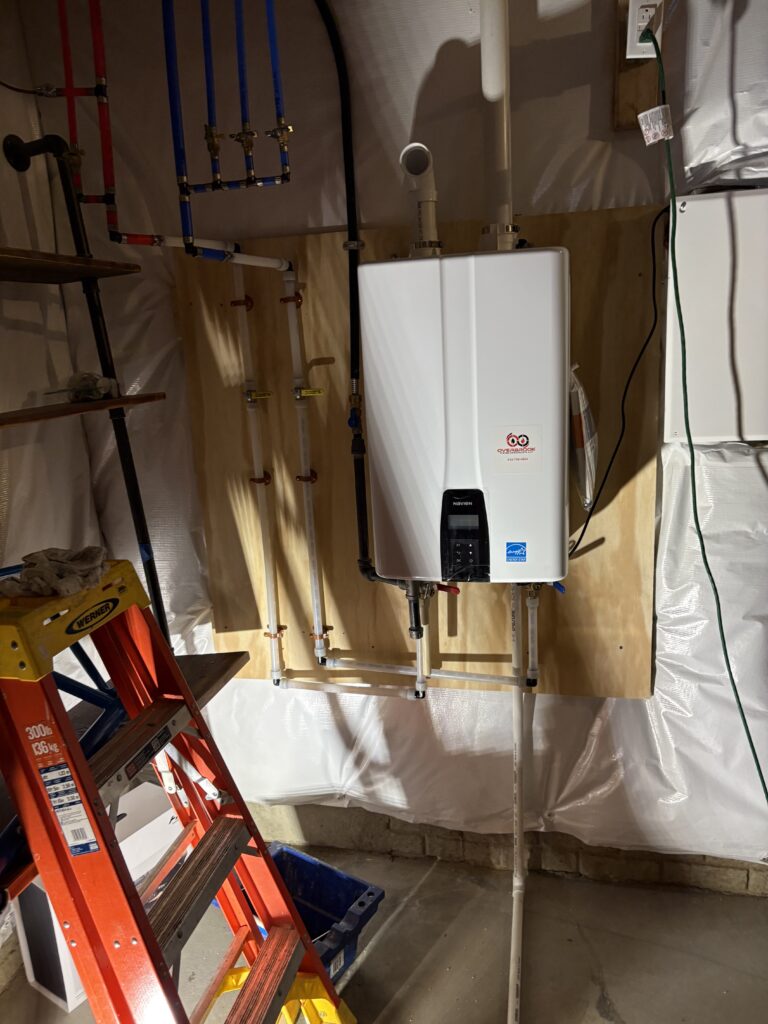
A professional water heater inspection is the smartest way to catch trouble before it turns into a failure. Our plumbers check the tank, the anode rod, the valves, and the connections during every visit. We look for corrosion, leaks, and sediment that a quick glance would never reveal. This thorough approach gives you a clear report on the health of your unit. Want a full checkup before any problems start? Click here for our water heater inspection service.
Timing your inspection matters more than many homeowners realize. Scheduling a checkup before the cold season makes sure your unit is ready for the heavy winter load. An inspection also makes sense when you buy a home or notice any change in performance. Catching a worn anode rod or early corrosion at this stage is easy and affordable. Waiting until the unit fails almost always costs more and arrives at the worst time. A planned inspection keeps you in control.
An inspection from our team is about more than just a quick look at your tank. We explain what we find in plain language so you understand the condition of your system. If repairs make sense, we tell you. If replacement is the wiser path, we explain why and lay out your options. Our goal is to help you make a smart decision, not to push a sale. That honest approach has earned us the trust of homeowners throughout the region.
Why You Need Expert Water Heater Repair and Replacement
Expert water heater repair can add years to a unit that simply needs the right fix. A failing heating element, a bad thermostat, or a stuck valve is often a straightforward repair. Our plumbers diagnose the real cause instead of guessing at the symptom. We carry common parts so many repairs are finished in a single visit. Fixing a small problem early keeps it from spreading into a larger failure. Click here for our water heater repair service to learn more about how we help.
Some water heaters reach a point where replacement is the smarter investment. A tank that leaks from the bottom cannot be repaired, since the steel itself has failed. A unit well past 10 years old that needs costly repairs is usually not worth saving. Our team helps you compare the cost of repair against the value of a new, efficient model. We handle the full replacement, from removing the old unit to installing and testing the new one. Every job is clean, safe, and fully up to code.
Choosing the right new water heater is a decision worth getting right. The options range from efficient tank models to long lasting tankless systems. Our plumbers help you weigh capacity, energy use, and budget to find the best fit. We size every unit to match your household demand so you are never left short on hot water. A correct installation protects your investment and supports the full lifespan of the new heater. We also stand behind our work with a one year labor warranty on tankless water heaters.
Why Choose Overbrook Plumbing for Your Water Heater Lifespan
Overbrook Plumbing is a local, Pittsburgh based team that treats your home like our own. We are licensed and insured in Pennsylvania, so you can trust the work is done right. Our pricing is honest and straightforward, with no surprises on the final bill. We offer military and senior discounts as a simple way to say thank you. Every job is backed by our commitment to five star service. When you call us, you reach a team that cares about your comfort and safety.
We know a broken water heater never waits for a convenient time. That is why we offer 24 hour emergency plumbing service, seven days a week. A cold shower or a leaking tank can be handled quickly by our experienced team. We arrive on time, explain the problem clearly, and get your hot water flowing again. Our plumbers respect your home and clean up before they leave. Fast, honest service is the foundation of everything we do.
For more than just water heaters, Overbrook Plumbing is the team Pittsburgh area homeowners trust. We protect the lifespan of your unit with expert inspection, repair, and replacement. Our goal is to keep your hot water reliable for as many years as possible. Reach out today to schedule a service visit or to ask any question about your water heater. Call us now at (412) 736-4654 and let our local team take care of the rest. We are ready to help you get every year out of your water heater and beyond.