
The Smell Coming From Your Drain and What It Is Telling You
A bad smell rising out of a drain is never random, and it is rarely something that fixes itself. Your drains are part of a sealed system that is designed to carry waste and gas away from your home while keeping air from flowing backward into your living space. When that seal fails somewhere, the odor you notice at the sink, the shower, or the basement floor drain is the first symptom. Summer makes the problem louder, because heat speeds up bacterial growth inside the pipe and warm dry air pulls water out of drain traps faster. Homeowners across Pittsburgh notice these odors most in July and August, right when windows are closed and the air conditioning is running. Each type of smell points toward a different failure, and learning to read them saves you money. A sour kitchen odor is a very different problem than a sulfur odor drifting up a basement drain. One is a cleaning issue; the other can mean a broken sewer line under your foundation. The good news is that most drain odors are traceable to a handful of causes, and every one of them has a real fix. Below, we break down what each smell means, what is causing it inside your plumbing, and when the problem needs a licensed plumber instead of a bottle of cleaner.
What Each Drain Smell Means and What It Is Telling You About Your Plumbing
Your nose is a surprisingly good diagnostic tool when you know what the different odors represent. Sewer gas smells like rotten eggs or sulfur, and it comes from hydrogen sulfide produced by bacteria breaking down waste in the sewer line. A musty or earthy smell usually means standing moisture and mold growth, which points to a leak rather than a drain problem. A sour, rotting, greasy smell almost always comes from organic material stuck to the inside of the pipe within a few feet of the opening. Some odors are constant, while others only appear after you run water, and that timing detail matters a great deal during a diagnosis. Odors that get stronger when the furnace fan or bath fan runs suggest negative pressure pulling gas through a failed seal. Odors that hit hardest after heavy rain often point to a compromised sewer line taking on groundwater. Paying attention to when, where, and how strongly you smell something gives a plumber a real head start.
A Rotten Egg Drain Smell and What That Sewer Gas Is Telling You
A rotten egg or sulfur odor coming out of a drain is the one smell you should never ignore. That odor is hydrogen sulfide, a gas produced when bacteria digest organic waste in an oxygen poor environment like a sewer line. In a healthy plumbing system, that gas never reaches you, because every fixture has a curved section of pipe called a P trap that holds a small pool of water and blocks gas from traveling backward. When you smell sulfur, that water barrier has failed somewhere, or the gas is escaping through a crack, a loose fitting, or a bad toilet seal. Sewer gas also contains methane, carbon dioxide, and traces of ammonia, and methane is flammable at high concentrations in an enclosed space. At low levels the gas is mostly a nuisance that causes headaches, nausea, and irritated eyes. At higher levels hydrogen sulfide actually deadens your sense of smell, which is exactly why a strong odor that suddenly seems to fade is a warning sign rather than a relief. Open a window, get air moving, and treat the source as a priority.
Where you smell the sulfur narrows the cause considerably. Sulfur at a single unused fixture, like a guest bathroom sink or a basement floor drain, almost always means the trap dried out and the water seal evaporated. Sulfur at every drain in the house at once suggests a venting problem or a main line issue, since one dry trap cannot fill a whole home with odor. Sulfur concentrated at the base of a toilet points to a failed wax ring, a cracked closet flange, or bolts that have loosened enough to let the toilet rock. Sulfur in a finished basement near a floor drain sometimes traces back to a missing or loose cleanout cap, which is a threaded plug that is supposed to seal an access point in the drain line. Odors that appear only in one room and worsen in humid weather can also come from a condensate line that was tied into a drain without a proper trap, which is a common summer discovery. Each of these has a different repair path, so guessing wastes time and money. A camera inspection removes the guesswork entirely.
There is one important exception worth knowing before you panic. A rotten egg smell that shows up only in hot water, at every hot tap in the house, and not from the drains themselves, is a water heater issue rather than a sewer issue. That odor comes from sulfate reducing bacteria reacting with the magnesium sacrificial anode rod inside the tank, and it is a chemical reaction rather than contamination from waste. The fix usually involves flushing and sanitizing the tank and replacing the standard anode with an aluminum zinc alloy rod that does not feed the reaction. Cold water that smells fine while hot water smells like sulfur is the clearest tell. Confusing this with sewer gas leads people to tear apart drain lines for no reason. Smell the water in a glass, then smell the empty drain opening, and compare the two. That single test separates a tank problem from a drain problem in about thirty seconds. Need help either way? Click here for our drain cleaning service and we will identify the source before anything gets replaced.

A Musty or Moldy Drain Smell and What Hidden Moisture Is Telling You
A musty, damp basement odor near a drain is telling you a very different story than sulfur does. That smell is mold and mildew growing on wet material, and it means water is sitting somewhere it should not be. Mold needs moisture, a food source like drywall paper or wood framing, and time, and a slow drain leak provides all three quietly for months. The odor often gets blamed on the drain itself when the actual leak is in the trap arm, the wall stack, or a supply line running nearby. Cabinets under kitchen and bathroom sinks are the most common hiding spots, because a slow drip at a slip joint soaks the base of the cabinet without ever pooling visibly. Warm humid summer air makes the growth accelerate, which is why so many homeowners first notice the smell in July. If the odor gets stronger when you open a vanity door, you have narrowed the search already.
Musty odors near a floor drain or a basement wall sometimes point to a problem below the slab. A cracked drain line under concrete leaks constantly, saturating the soil and wicking moisture up through the slab and into the surrounding framing. You may see efflorescence, which is that chalky white residue on concrete left behind when water carries minerals to the surface. Paint that bubbles near the floor, baseboards that separate from the wall, and flooring that feels cool and damp are all supporting evidence. Groundwater intrusion produces similar symptoms, so distinguishing a plumbing leak from a foundation issue matters before anyone starts cutting concrete. A plumber can isolate the drain system and test it under controlled conditions to confirm the source. Guessing on a slab issue is expensive, and the wrong repair leaves the moisture in place.
Ignoring a musty drain smell tends to cost far more than fixing it early. Mold spreads through porous building materials and does not stop at the visible edge of a stain, so a small remediation in June becomes a full cabinet and subfloor replacement by October. Continuous moisture also rots framing lumber, corrodes fasteners, and attracts insects that prefer damp wood. Air quality suffers throughout the home, and people with asthma or allergies usually feel it before anyone finds the leak. The plumbing repair itself is often minor, sometimes a tightened slip nut or a replaced trap arm, while the damage from waiting is not. Finding the water source is the entire job, and modern tools make that possible without demolishing walls. Click here for our leak detection service if a musty odor has settled into a room and will not clear out. Catching it in the first season saves the structure underneath.
A Sour or Rotting Food Drain Smell and What Your Kitchen Drain Is Telling You
A sour, rancid, garbage odor at the kitchen sink is the most common drain smell in any home, and it is usually the least alarming one. This odor comes from biofilm, a slimy layer of bacteria, grease, soap residue, and food particles that coats the inside walls of the pipe. Every time hot water and grease go down the drain together, the grease cools, hardens, and clings to the pipe wall a few feet in. Food scraps stick to that layer, bacteria multiply in the warmth, and the result smells exactly like what it is. Summer temperatures accelerate the process significantly, since bacterial activity roughly doubles with each meaningful rise in pipe temperature. The smell often comes and goes, spiking when hot water runs and pushes warm humid air back up through the drain opening. That intermittent pattern is a reliable fingerprint of biofilm rather than sewer gas.
Garbage disposals deserve special attention here, because they hide odor in places most people never clean. The rubber splash guard at the top of the disposal traps food residue on its underside, and that surface alone accounts for a huge share of kitchen sink complaints. The grinding chamber walls and the area beneath the impellers also hold debris, especially after starchy foods like potato peels, rice, and pasta go through. Running the disposal without enough cold water leaves material sitting in the chamber instead of flushing through to the drain line. Fibrous items like celery, onion skins, and corn husks wrap around components and rot in place. Lift the splash guard and scrub the underside with a brush and dish soap, then grind ice cubes and a cut lemon with cold water running. Doing that once a month prevents most kitchen odor entirely.
Reaching for a chemical drain cleaner is the instinct here, and it is usually a mistake. Caustic cleaners generate heat, sit in standing water, and can soften plastic pipe or corrode older metal drain lines over repeated use. They also tend to burn a narrow channel through a soft clog without removing the greasy layer coating the pipe wall, so the odor returns within a week or two. Repeated use builds a hardened residue that makes the eventual professional cleaning harder, and it creates a real hazard for anyone who later opens that trap. Enzyme based cleaners work differently, digesting organic material over several hours, and they are far safer for pipes and for the person using them. For a kitchen line with years of accumulated grease, no consumer product is going to restore the full pipe diameter. That job takes equipment that scours the pipe wall from the inside.
Common Causes Behind the Smell Coming From Your Drain
Once you have identified the type of odor, the next step is finding the mechanical failure producing it. Drain smells trace back to a short list of causes: a dry trap, a blocked vent, a buildup inside the line, a damaged pipe, or a failed fixture seal. Each one interrupts the sealed path that is supposed to keep sewer gas outside your home. Older Pittsburgh housing stock adds a few wrinkles, since many homes still have original cast iron or clay tile drain lines that have corroded or shifted over decades. Renovations create problems too, especially when a fixture is removed and the open drain line is capped poorly or not at all. Summer adds evaporation and heat to the equation, which is why odor calls spike in warm months. Understanding these causes helps you describe the problem accurately when you call for service.
Dry Traps and Drain Smell Problems in Rarely Used Fixtures
The single most common cause of a sudden drain smell is a trap that has run dry. Every fixture in your home connects to a P trap, a U shaped bend that retains roughly two to four inches of standing water after each use. That water is the entire barrier between your living space and the sewer system, and it does its job perfectly as long as it stays there. Water evaporates from a trap over time, and the rate depends on humidity, temperature, and airflow across the drain opening. A basement floor drain in a dehumidified space can dry out in a matter of weeks. A guest bathroom sink that goes unused during a two week vacation often greets you with sulfur when you get home. Summer travel plus air conditioning is a nearly perfect recipe for a dry trap, which is why these calls cluster in July and August.
The fix is refreshingly simple in most cases. Pour a gallon of water slowly down the affected drain and wait a few minutes for the odor to clear as the seal reestablishes itself. For drains that sit unused for long stretches, add a few ounces of mineral oil or cooking oil after the water; the oil floats on top and dramatically slows evaporation. Put a reminder on your calendar to refill basement floor drains, utility sink drains, and unused shower drains once a month. Homes with radiant floor heat or very dry indoor air need this more often than others. If you own a rental property or a second home, this maintenance step prevents a sewer gas complaint before it starts. It costs nothing and takes about two minutes per drain.
A trap that dries out repeatedly within days, though, is not really a dry trap problem. Something is actively pulling the water out, and that means siphoning caused by a venting failure or a pressure imbalance in the system. Water disappearing from a trap in a fixture you use regularly points to the same issue. You may also hear gurgling from a nearby drain when another fixture empties, which is air being pulled through the water seal. In some homes, a leaking trap is the culprit, and the water is simply draining out through a crack or a loose joint. Any trap that will not hold water after refilling needs to be inspected physically. Repeated refilling treats the symptom while the real defect keeps working against you.
Clogged Vent Stacks and the Drain Smell They Push Into Your Home
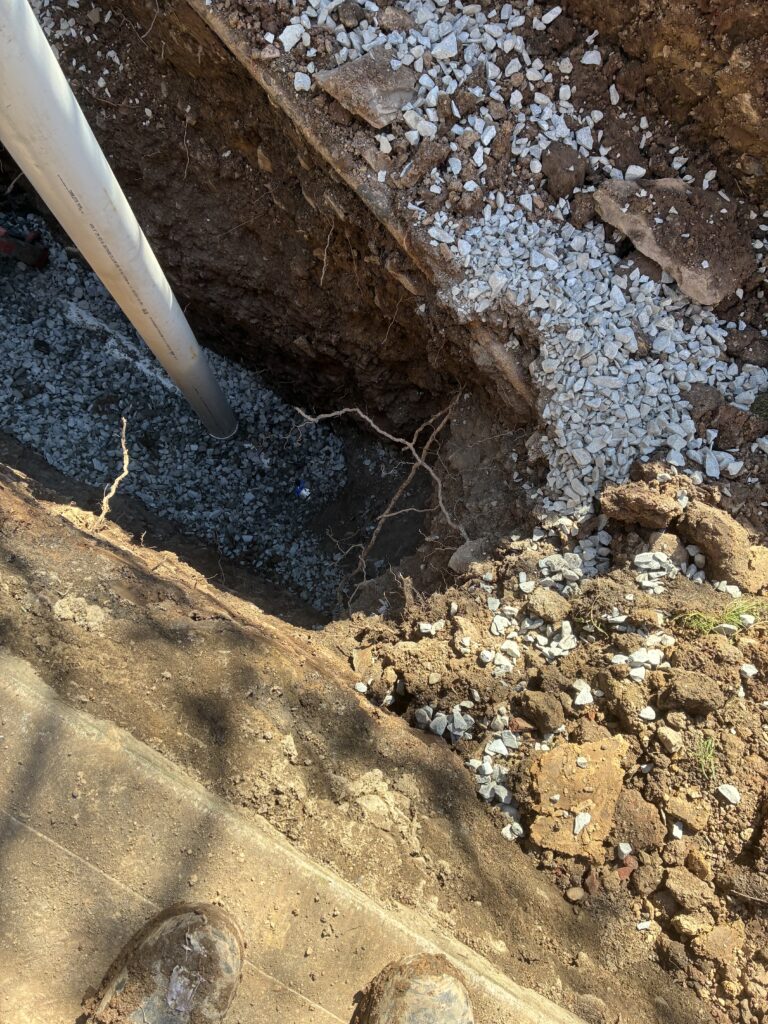
Most homeowners never think about the vent side of their plumbing, but it is half of how drains actually work. Every drain system connects to vent piping that runs up through the roof, and that pipe lets air into the system as water flows out. Without that air, draining water creates suction behind it, exactly like holding your thumb over a straw. That suction pulls water straight out of nearby P traps and leaves the path open for sewer gas to enter the house. A vent stack blocked by leaves, a bird nest, a wasp nest, or accumulated debris produces this effect throughout the home. In winter, frost closure at the vent opening causes the same thing, but summer blockages come from nests and organic debris. The result is a house that smells like sewer gas even though every trap was full yesterday.
Venting problems announce themselves through sound as well as smell. Gurgling from a bathroom sink when the toilet flushes, bubbles rising in a toilet bowl when a tub drains, and drains that empty slowly despite having no clog are all classic symptoms. Toilets with water levels that rise and fall on their own are another indicator of pressure moving through the system incorrectly. Slow drainage that affects multiple fixtures at once, rather than one, tilts strongly toward a vent issue instead of a blockage. These signs together with a persistent odor make a strong case for having the vent inspected from the roof. A plumber can clear the stack, verify airflow, and confirm that the venting configuration meets code. Homes that have been remodeled sometimes have fixtures that were never vented properly in the first place.
Improper venting also shows up after do it yourself renovations, and it is one of the more frequent findings during odor investigations. A basement bathroom added without a proper vent connection, a laundry sink tied into a line without an air admittance valve, or a fixture moved several feet from its original location all create pressure problems. Air admittance valves themselves fail over time; the internal seal stiffens and stops closing, which allows gas to pass through freely. Those valves are often hidden inside a cabinet or behind an access panel, so people smell the odor without ever finding the source. Any bathroom or kitchen odor that started after a remodel deserves a look at how the drains were vented. Correcting the venting fixes the odor and improves drainage at the same time. It is a repair that pays off twice.
Grease, Biofilm, and Sewer Line Damage Behind a Lasting Drain Smell
Odors that survive trap refills, vent clearing, and surface cleaning are usually coming from deeper in the system. Years of grease, soap scum, hair, and food debris build a thick layer along the pipe wall that narrows the line and holds decaying material. Cable augering, which is what most people picture when they think of drain snaking, punches through a blockage but leaves that coating largely intact. Water flows again, the odor persists, and the clog returns in a few months because the underlying buildup never went anywhere. Hydro jetting solves this differently by sending water through a specialized nozzle at high pressure to scour the pipe wall back to its original diameter. The process removes grease, scale, sludge, and root hairs while flushing all of it downstream. For a kitchen line that has served a family for a decade, it is the only method that genuinely resets the pipe. Click here for our hydro jetting service if odor and slow drainage keep coming back after cleanings.
Damage to the sewer line itself is the more serious possibility, and it is common in older neighborhoods. Clay tile lines installed decades ago develop cracks at the joints, and tree roots find those cracks because they are following moisture. Cast iron corrodes from the inside out, developing rough scale that catches debris and eventually eroding through the pipe bottom entirely. Ground shifting and settling create bellies, which are low spots where waste and water pool instead of flowing through. Every one of these defects produces persistent odor, because waste sits in the line and gas escapes through the same openings. Symptoms often include recurring clogs, odors in the yard, unusually green patches of grass, and drains that back up during heavy rain. A camera inspection identifies the exact defect and its location so the repair can be targeted rather than exploratory. Click here for our sewer line inspection service if you suspect the problem is below ground.
Fixture seals round out the list of persistent odor sources. A toilet sits on a wax ring that compresses to seal the connection between the toilet horn and the closet flange, and that seal fails when the toilet rocks, when the flange corrodes, or simply with age. Once it fails, sewer gas escapes at floor level and water seeps into the subfloor with every flush. Shower and tub drains have their own seals at the drain body, and those degrade over the years, especially in older assemblies. Washing machine standpipes that are too short or improperly trapped release odor during every drain cycle. Utility sinks and floor drains in basements often have damaged or missing traps entirely after decades of use. Each of these is a straightforward repair once identified, and identification is really the whole challenge.
Why You Need a Professional to Diagnose the Smell Coming From Your Drain
Drain odors are symptoms, and treating symptoms without finding the cause wastes money and lets damage continue. Pouring cleaner down a drain does nothing for a cracked sewer line, a blocked vent, or a failed toilet seal. A licensed plumber approaches an odor complaint as a diagnostic problem, testing the system methodically instead of replacing parts and hoping. That process protects your home, your health, and your budget at the same time. Sewer gas carries real risks in enclosed spaces, and the structural damage from an undetected leak compounds every month it continues. Overbrook Plumbing has spent years tracking these problems down in Pittsburgh homes of every age and construction type.
Why a Drain Smell Deserves a Professional Diagnosis
A professional diagnosis starts with the questions most homeowners do not think to ask themselves. When did the smell begin, which fixtures are affected, does it change with the weather, and did anything in the house change beforehand? Those answers narrow dozens of possibilities down to a few before a single tool comes out of the truck. From there, a plumber can verify trap seals, check venting from the roof, and use a camera to see inside the drain lines directly. Smoke testing introduces harmless smoke into the drain system to reveal exactly where gas is escaping, which is invaluable when the leak is inside a wall. Each test either confirms or eliminates a cause, and the process ends with an answer rather than a guess.
The cost difference between an early diagnosis and a delayed one is substantial. A dry trap costs nothing to fix; a wax ring is a modest repair; a sewer line replacement is a major project. Those are frequently the same problem at different stages, since a small defect that goes unaddressed keeps eroding the pipe and saturating the soil around it. Water damage follows the same curve, moving from a damp cabinet base to a rotted subfloor to a compromised floor joist. Getting a real answer in July costs far less than getting the same answer in December. That is the entire argument for calling early.
There is also a health dimension that gets overlooked. Hydrogen sulfide causes headaches, dizziness, nausea, and eye irritation at the concentrations found in homes with failed traps, and prolonged exposure is not something to shrug off. Households with young children, elderly residents, or anyone with respiratory conditions feel the effects sooner and more severely. Mold from a hidden drain leak creates its own set of respiratory problems that persist as long as the moisture does. Fixing the plumbing removes the exposure at the source instead of masking it with air fresheners or ventilation. Your home should not smell like your sewer, and it does not have to.
How Professional Drain Cleaning Removes the Source of the Smell
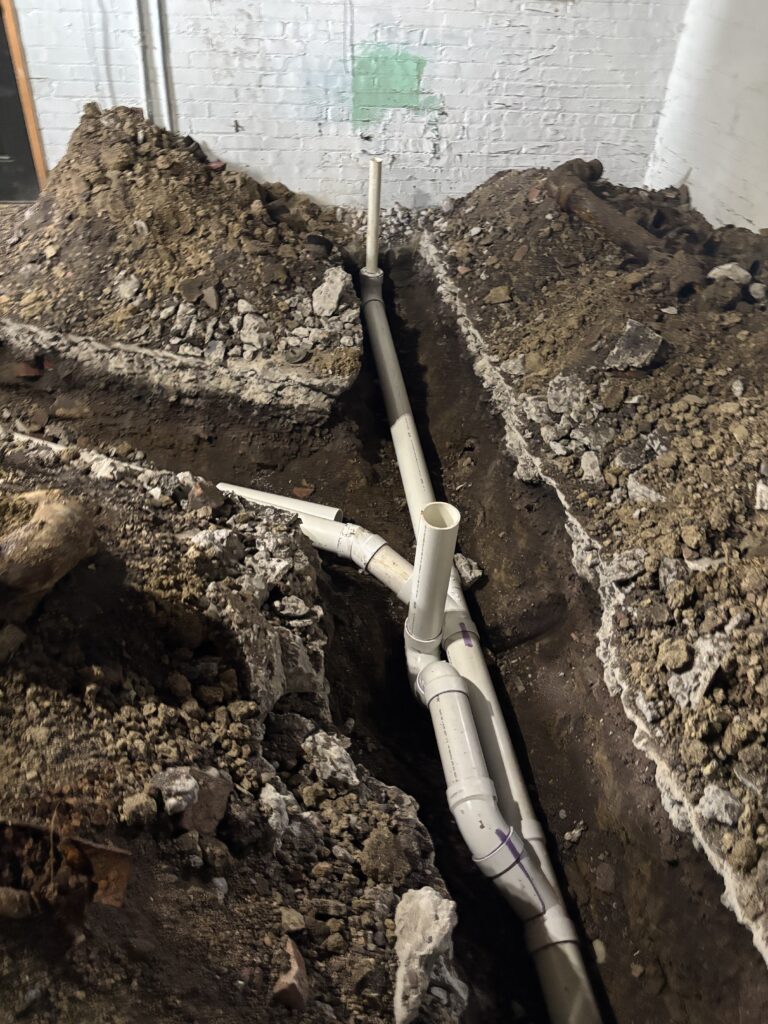
Professional drain cleaning is not the same service as a bottle of cleaner or a hardware store snake. The goal is restoring the full interior diameter of the pipe, removing the material that holds odor rather than clearing just enough space for water to pass. Choosing the right method matters, and that choice depends on the pipe material, its age, its condition, and the type of buildup present. Cable machines handle solid obstructions and root masses effectively, while hydro jetting excels at grease, sludge, scale, and biofilm. Older cast iron and clay lines need pressure settings chosen carefully to clean thoroughly without damaging a pipe that has already lost wall thickness. Matching the method to the pipe is the difference between a repair and a new problem.
A proper cleaning includes verification, which is the step most people never see. Running a camera through the line after the work confirms the pipe is actually clear and reveals defects that were hidden under the buildup. Cracks, offsets, bellies, and root intrusions often become visible only once the debris is gone. That information tells you what maintenance interval makes sense for your home and what repairs to plan for down the road. A line with a belly will need cleaning more often than one with proper slope, and knowing that in advance prevents surprise backups. Documentation of what was found also helps if a repair is needed later.
Regular maintenance keeps odors from returning at all. Kitchen lines in busy households benefit from cleaning every year or two, while main lines in homes with mature trees near the sewer path often need annual attention. Simple habits extend those intervals considerably: keep grease out of the drain, use strainers on every fixture, run cold water while the disposal operates, and refill unused traps monthly. Enzyme treatments used on a schedule digest the organic film before it accumulates into a real problem. These small steps cost very little and prevent most of the odor calls we receive. Prevention has always been cheaper than emergency service.
Why Choose Overbrook Plumbing for Drain Smell Problems in Pittsburgh
Overbrook Plumbing is a local, Pittsburgh based team, and that matters more than it sounds. We know the housing stock here, from century old homes in Mount Lebanon with original clay tile laterals to newer construction in Cranberry Township with modern PVC systems. We have seen how our clay soil shifts, how mature tree roots find sewer joints, and how basement drains in this region behave through humid summers and freezing winters. That regional experience shortens diagnosis time significantly, because we recognize patterns that a plumber from another market would have to work out from scratch. Local knowledge is not a marketing line; it is genuinely faster and more accurate service.
We are licensed and insured in Pennsylvania, and we operate on honest, straightforward pricing. You get a clear explanation of the problem, a clear explanation of the options, and a clear price before work begins. No pressure, no invented urgency, and no upselling a sewer replacement when a wax ring is the actual answer. We offer military and senior discounts as a genuine thank you, and we back our tankless water heater installations with a one year labor warranty. Our team is committed to a five star experience on every call, because our reputation in these neighborhoods is the only advertising that really matters.
Sewer gas and drain backups do not keep business hours, which is why we provide 24/7 emergency plumbing service throughout the Pittsburgh area. A strong sulfur odor, a backing up floor drain, or sewage surfacing in your yard is a call you should make immediately rather than in the morning. We serve Mount Lebanon, Bethel Park, Baldwin, Upper St Clair, Ross Township, Penn Hills, Monroeville, South Park, and communities across the region. Come see why your neighbors call us first when something smells wrong. Reach Overbrook Plumbing at (412) 736-4654 or email info@calloverbrook.com, and we will find the source of that odor and fix it right the first time.