
Why Your Kitchen Drain Clogs Most During the Holiday Season
Kitchen drains fail more often between Thanksgiving and New Year’s Day than at any other point on the calendar, and the reason has very little to do with bad luck. Holiday cooking pushes several gallons of fat, oil, and grease down a pipe that was never designed to carry any of it, and it does so in a compressed window of a few weeks. Add a full house of guests, a dishwasher running twice a day, and a garbage disposal handling scraps from a twenty pound turkey, and the load on that one small line multiplies quickly. Most kitchen branch drains in a Pittsburgh home measure only an inch and a half across, so it takes surprisingly little buildup to slow the flow to a trickle. Colder ground and colder pipe walls make the problem worse by cooling liquid grease into a solid coating almost as soon as it leaves the sink. Homeowners usually notice the trouble at the worst possible moment, standing over a sink full of standing water with a dining room full of people waiting on dessert. The good news is that holiday kitchen clogs follow a predictable pattern, and a predictable pattern can be interrupted. Understanding what actually happens inside that pipe is the first step toward keeping your sink draining through the entire season.
What Causes a Kitchen Drain to Clog During the Holiday Season
The holiday kitchen clog is almost always a grease problem wearing a food scrap disguise. Fats and oils leave the pan as a hot liquid, travel a few feet, then cool and cling to the interior wall of the drain line where they harden into a waxy layer. Every subsequent scrap of food that passes through catches on that layer instead of flowing to the sewer, and the opening narrows a little more with each meal. Coffee grounds, rice, pasta, and shredded vegetable fiber are the usual accomplices, because they stick to grease far better than they float past it. Older homes across Mount Lebanon, Baldwin, and Brookline often run cast iron or galvanized steel kitchen lines that have already developed internal scale, giving the grease an even rougher surface to grab. Once the effective diameter of the pipe drops below half of its original size, drainage slows noticeably and a complete blockage becomes a matter of time. The holidays simply supply the volume needed to finish a process that has been quietly underway for years.
Grease and Cooking Oil Clog a Kitchen Drain Fast During the Holiday Season
Fat behaves very differently at 180 degrees than it does at room temperature, and that difference is the entire mechanism behind a holiday kitchen clog. Bacon drippings, turkey pan juices, gravy, butter, heavy cream, and the oil left in a roasting pan all pour easily while hot, which is exactly why so many people rinse them down the sink without a second thought. Within a few feet of horizontal pipe, that liquid drops below its melting point and reverts to a semi solid state, coating the top and sides of the line in a layer that no amount of hot tap water will remove. Dish soap does not dissolve grease in the way most homeowners assume; it emulsifies it temporarily, and the emulsion breaks apart once the water cools farther down the line. Running the hot tap for a minute afterward only pushes the problem deeper into the system, where the pipe is colder and the blockage is harder to reach. Over a single holiday week, a busy kitchen can send several cups of animal fat into a drain that already carries a decade of accumulated residue. That is why the clog so often appears on a Saturday morning after a Friday night dinner rather than during the meal itself.
The practical fix is simple and costs nothing. Pour cooled grease into a can, a jar, or an empty carton, let it solidify, and put it in the trash rather than the sink. Wipe greasy pans and plates with a paper towel before they ever reach the faucet, and scrape roasting pans into the garbage instead of the disposal. Keep a dedicated container next to the stove during heavy cooking days so guests helping with cleanup have an obvious place to put drippings. Strainers over both sink basins catch the solids that inevitably escape, and they cost a few dollars at any hardware store. These habits sound almost too basic to matter, yet they eliminate the single largest contributor to holiday drain failure in residential kitchens. Plumbers see the difference clearly between houses that follow them and houses that do not.
Commercial kitchens deal with this same chemistry, which is why local code requires them to install grease interceptors that capture fat before it reaches the municipal sewer. Residential kitchens have no such protection, so the drain line itself becomes the interceptor by default. That accumulated fat does not stay put either; it continues to migrate down the branch line toward the main building drain and eventually toward the sewer lateral under the yard. When grease from the kitchen meets root intrusion or a settled joint in an older clay tile lateral, the two problems combine into a full sewer backup that affects every fixture in the house. A kitchen sink that drains slowly in November frequently turns into a basement floor drain backing up in January. Treating the slow kitchen sink early keeps a small maintenance item from becoming an emergency excavation. Dealing with a slow or standing kitchen sink right now? Click here for our drain cleaning service.
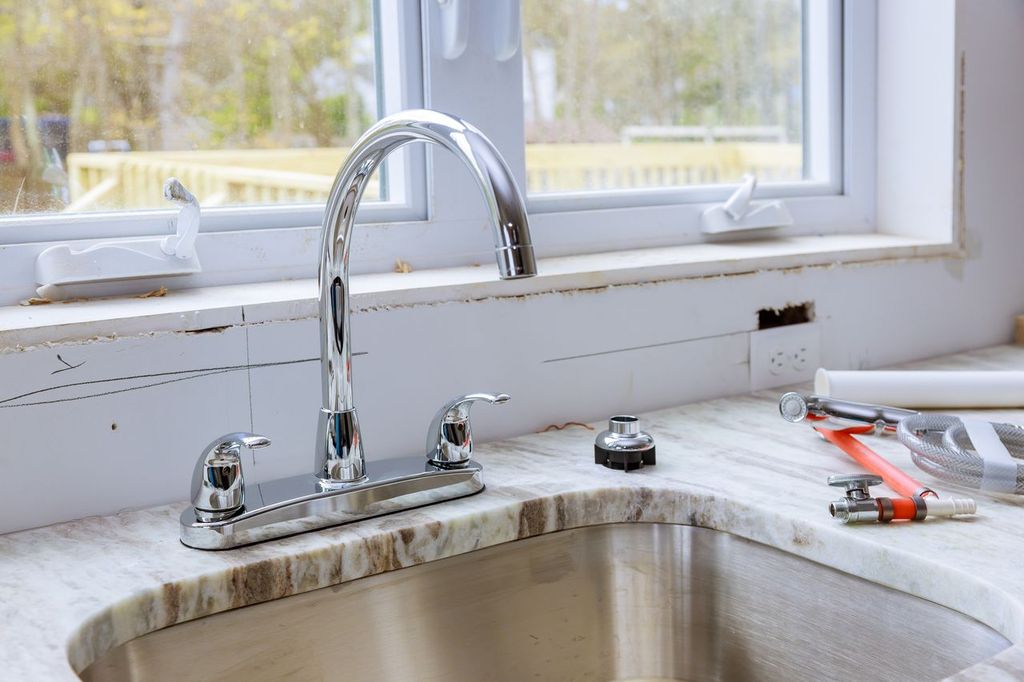
Food Scraps That Clog a Kitchen Drain During the Holiday Season
Not all food waste is equal in the eyes of a drain line, and holiday menus happen to feature the worst offenders on the list. Starchy foods such as mashed potatoes, stuffing, pasta, and rice absorb water and swell inside the pipe, forming a dense paste that behaves more like wet cement than like food. Potato peels are especially problematic because they are both starchy and fibrous, and they tend to mat together into sheets that block the drain opening beneath the disposal. Celery, onion skins, corn husks, and artichoke leaves contain long stringy fibers that wrap around the impellers of a garbage disposal instead of breaking apart. Coffee grounds settle into low spots and pack together into a sediment layer that traps everything arriving behind it. Eggshells do not sharpen disposal components, contrary to a persistent myth, but the thin membrane inside them sticks readily to grease and to the walls of the grinding chamber. Bones, fruit pits, and shellfish shells can damage the disposal outright and should never enter the unit under any circumstances.
Volume matters just as much as the type of scrap involved. A normal weeknight sends a small handful of waste through the disposal; a holiday cleanup sends the trimmings from a full menu through the same unit in the space of twenty minutes. Feeding scraps in quickly, without enough cold water, overwhelms the unit and lets partially ground material settle in the trap rather than flushing through. Cold water keeps any residual fat in a solid state so the disposal can chop it into small pieces that travel; hot water melts that fat and lets it recoat the pipe farther downstream. The disposal should run with a steady stream of cold water for at least fifteen to twenty seconds after the grinding noise stops, giving the waste time to clear the trap and the branch line. Scraps should go in gradually, in small batches, rather than all at once. A compost bin or a lined trash can placed beside the sink handles the bulk of holiday waste far better than any disposal ever will.
Homeowners often assume the garbage disposal exists to process all food waste, but the unit was designed to handle incidental scraps rinsed from plates. An aging or undersized disposal struggles badly under holiday demand and frequently jams at the worst possible moment. Units that hum without turning, trip their reset button repeatedly, leak from the housing, or leave standing water in both basins are already telling you they are near the end of their service life. Replacing a worn unit before the cooking season starts costs far less than an emergency call on a holiday weekend, and a properly sized modern disposal grinds finer, which means less material settling in the line. Proper installation also matters, because a dishwasher connected to a new disposal will not drain at all if the knockout plug is left in place. Planning ahead for a busy kitchen? Click here for our garbage disposal installation service.
How Cold Pittsburgh Weather Makes a Kitchen Drain Clog Worse During the Holiday Season
Temperature is the overlooked variable in every winter drain call we run. Grease solidifies at a specific temperature range, and the colder the surrounding pipe, the faster that transition happens after the water leaves the sink. In July, warm soil and warm crawl spaces keep drain lines mild enough that fat travels a fair distance before it congeals. In December, kitchen drain lines running through unheated crawl spaces, exterior walls, or a cold basement in a house built in the 1940s sit far below room temperature. Liquid grease entering that pipe hardens within inches rather than feet, building the blockage close to the sink where holiday cooking adds to it daily. This is the primary reason kitchen clog calls spike in the same weeks that outdoor temperatures fall.
Cold weather introduces a second complication in homes with exposed or poorly insulated drain lines. Standing water inside a trap or a sagging section of pipe can freeze in an unheated basement or crawl space, creating a temporary blockage that traps everything behind it. The kitchen line is usually the first to show symptoms because it carries the most fat and the most solids. Once the plug forms, water backs up into the sink and the dishwasher, and running the disposal only compacts the material further. A frozen or partially frozen drain also puts stress on the joints and the pipe wall, which is a real concern in older cast iron systems that have already thinned from corrosion. Insulating exposed drain runs and keeping the basement above freezing prevents most of these situations entirely.
Pittsburgh housing stock adds its own wrinkle to the problem. Many homes in Bethel Park, Ross Township, Penn Hills, and the South Hills still carry original cast iron drain lines or clay tile sewer laterals installed decades ago. Cast iron builds internal scale as it ages, narrowing the pipe and creating a rough surface that grease bonds to almost immediately. Clay tile laterals develop offset joints and root intrusion that catch anything fibrous coming from the kitchen. Frozen ground during winter also makes emergency excavation slower, more disruptive, and more expensive than the same repair performed in mild weather. Knowing the condition of your drain and sewer lines ahead of the holidays gives you the option to schedule work on your terms. Not sure what shape your sewer line is in? Click here for our sewer line inspection service.
How to Prevent a Kitchen Drain Clog During the Holiday Season
Preventing a holiday clog comes down to controlling what enters the drain and catching the early warning signs before they escalate. Almost every kitchen sink backup we respond to gave the homeowner several weeks of notice in the form of slow drainage, gurgling, or a lingering odor. Those symptoms indicate a partial blockage that is still small enough to clear easily and cheaply. Waiting until the sink stops draining entirely turns a routine service call into an emergency, often on a day when the house is full of family. A handful of household rules, applied consistently by everyone using the kitchen, prevents the overwhelming majority of these failures. Guests helping with cleanup will not know your kitchen rules unless you tell them, so a strainer and a visible grease container do more work than any verbal reminder. The goal is to keep the line clear enough to handle a heavy week without reaching its breaking point.
Kitchen Drain Habits That Prevent a Holiday Season Clog
Start with a physical barrier at the sink, because a mesh strainer stops solids from ever entering the system. Basket strainers fit standard kitchen drain openings and catch rice, coffee grounds, and vegetable fiber before they combine with residual grease. Empty the strainer into the trash rather than rinsing it into the other basin, which simply relocates the problem. Scrape every plate into the garbage before it reaches the sink, and wipe out pans and baking dishes with a paper towel while they are still warm. Keep a coffee can or a lidded jar near the stove for drippings, and remind anyone helping with cleanup that it is there. These four habits, practiced during heavy cooking days, remove the raw material a clog needs to form. They require no tools, no chemicals, and no expense beyond a strainer.
Water usage habits matter as much as waste habits. Run cold water before, during, and after every use of the garbage disposal, and let it run a full twenty seconds after grinding stops so the waste clears the branch line completely. Avoid running the dishwasher and the disposal simultaneously, because a dishwasher discharges a substantial volume of water into the same line and can back up into the sink if the disposal is partially obstructed. Spread heavy dishwashing across the day rather than sending three loads through in an hour. If your kitchen sink shares a drain line with a laundry tub or a basement fixture, be mindful of running both at once during a busy cooking day. Small adjustments in timing prevent the surge conditions that expose an already narrowed pipe.
Skip the internet remedies that promise to dissolve a clog overnight. Chemical drain openers rely on sodium hydroxide or sulfuric acid to generate heat and eat through organic material, and they frequently fail against a solid grease plug while sitting in the pipe and attacking the metal and the rubber gaskets around it. Baking soda and vinegar produce a satisfying fizz that has essentially no effect on hardened fat. Boiling water can soften a shallow grease deposit but also risks deforming PVC joints and pushing the material into a colder section of pipe where it hardens again. Plunging a kitchen sink with a disposal rarely works because the disposal housing absorbs the pressure. If a slow drain does not respond to a strainer cleanup and basic habits within a day or two, the blockage sits beyond the trap and needs mechanical clearing by a licensed plumber.
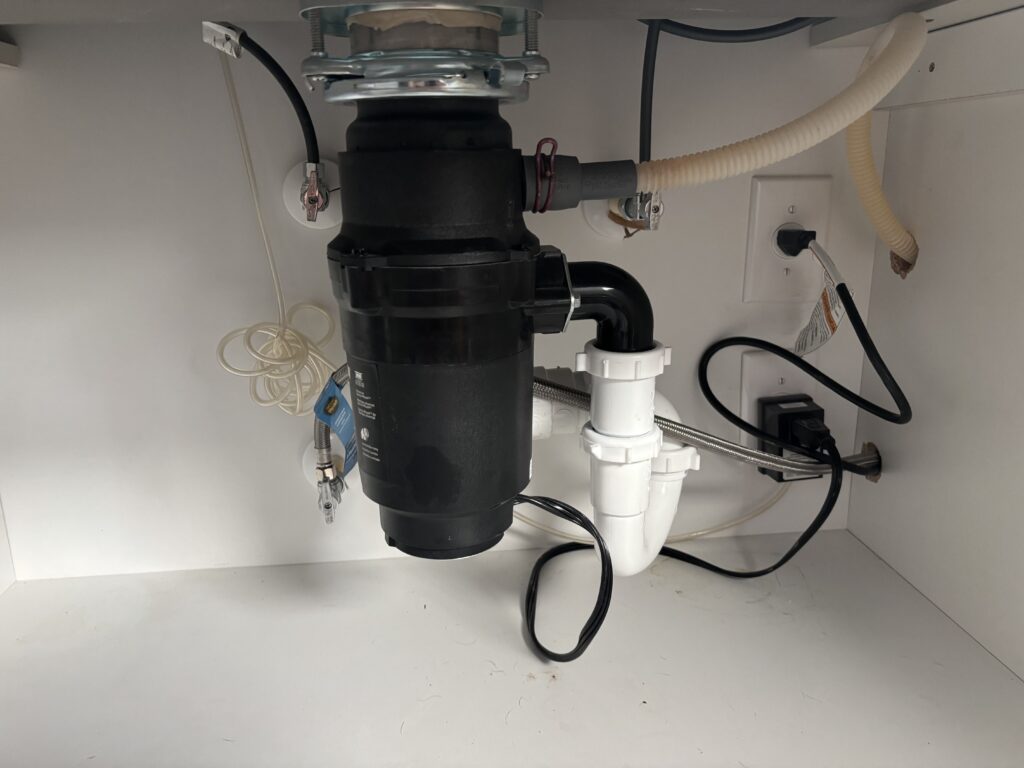
Garbage Disposal Rules That Prevent a Kitchen Drain Clog During the Holiday Season
A garbage disposal grinds waste into small particles using blunt impellers mounted on a spinning plate; it does not have blades and it does not liquefy anything. That distinction explains why fibrous and starchy items cause so much trouble. Anything that wraps, mats, or expands should go in the trash instead: celery, onion skins, corn husks, artichoke leaves, potato peels, pasta, rice, and stuffing all belong in the garbage can. Bones, fruit pits, and shells can crack the grinding components or jam the flywheel outright. Grease and oil should never be poured into the unit, even with the water running, because the disposal does nothing to stop fat from coating the pipe beyond it. Feeding waste slowly, in small quantities, keeps the motor from bogging down and gives the material time to flush through.
Basic maintenance keeps a disposal running through a demanding week. Grinding a tray of ice cubes knocks residue off the grind ring and the chamber walls, and a few citrus peels afterward help with odor. Never put your hand into the chamber, and always cut power at the switch or the breaker before retrieving a dropped utensil. A unit that hums without spinning is jammed, which usually clears by inserting the hex wrench into the socket on the underside of the housing and working the flywheel free. If the unit is silent, press the red reset button on the bottom before assuming it has failed. Persistent leaks from the housing seam, on the other hand, indicate internal corrosion that no repair will resolve.
Timing an upgrade before the holidays rather than during them saves money and stress. Disposals typically last eight to fifteen years depending on use, and a unit approaching that range under heavy holiday demand is a genuine risk. Modern units with larger motors and better grinding chambers process waste more finely, which means fewer particles settling in the trap and the branch line. Correct installation matters just as much as the equipment itself, including proper mounting, a leak free discharge connection, and removal of the dishwasher knockout plug when a dishwasher is connected. A licensed plumber will also check the condition of the trap and the tailpiece while the unit is out, which is often where hidden buildup is discovered. Handling all of that in October or November costs a fraction of what an emergency visit costs on a holiday.
Warning Signs of a Kitchen Drain Clog Before the Holiday Season Starts
Slow drainage is the earliest and most reliable signal. Water that lingers in the basin for more than a few seconds after the tap shuts off indicates the pipe has already lost a meaningful share of its diameter. Gurgling from the drain or from the second basin as water goes down points to air struggling to move past an obstruction, either in the branch line or in the vent stack. A sour or musty odor rising from the drain usually means decomposing organic material has collected on the pipe wall somewhere close to the sink. Water backing up into the opposite basin when the dishwasher discharges confirms a blockage downstream of the point where both fixtures tie together. Any one of these symptoms during October or November is a clear signal to act before the cooking season begins.
Some warning signs indicate a problem well beyond the kitchen. Multiple slow fixtures across the house, gurgling toilets, or water appearing at a basement floor drain point to a main line or sewer lateral issue rather than a simple kitchen clog. Root intrusion, pipe bellies, offset joints, and heavy scale all restrict the main line and cause the kitchen sink to back up first because it carries the heaviest load of grease and solids. A camera inspection identifies the exact location and nature of the restriction without guesswork or unnecessary digging. Knowing what is actually inside the pipe determines the right approach, since a cable and a hydro jetting machine solve different problems. Diagnosing correctly the first time avoids repeat visits and repeat charges.
Repeat clogs at the same fixture deserve particular attention. A drain that clears for two weeks and then slows again indicates that the last cleaning punched a channel through the blockage instead of removing it. Cabling a line often bores a hole through a grease plug, restoring flow temporarily while leaving most of the deposit intact on the pipe wall. Hydro jetting uses pressurized water to scour the full interior circumference of the pipe, removing grease, soap residue, and scale back to the original diameter. For a kitchen line with years of accumulated fat, jetting is frequently the only method that produces a lasting result. Scheduling that work before the holidays gives your drain the full capacity it needs when demand peaks.
Why You Need Professional Drain Cleaning Before the Holiday Season
Professional drain cleaning ahead of the holidays is one of the few plumbing investments that pays for itself immediately. Clearing a line on a normal weekday costs considerably less than an emergency call on Thanksgiving morning, and it happens on a schedule you control. A trained plumber does more than restore flow; he identifies why the clog formed, how far the buildup extends, and what condition the rest of the system is in. That information lets you make decisions about repair or replacement on your own timeline rather than under pressure. Homes with older cast iron or galvanized drain lines benefit most, since those systems have the least remaining capacity to spare. A clear kitchen line lets you cook, host, and clean up without watching the sink.
Professional Drain Cleaning Beats Chemical Drain Cleaners Before the Holiday Season
Store bought chemical openers are marketed as a fast fix, but they carry real costs that never appear on the label. Caustic and acidic formulas generate significant heat inside the pipe, which can soften PVC, damage rubber gaskets, and accelerate corrosion in aging cast iron and galvanized steel. When the product fails to clear the blockage, the caustic solution simply sits in the line, creating a hazard for the next person to open that drain. Repeated use compounds the damage while the underlying grease deposit remains firmly attached to the pipe wall. Many homeowners end up paying for both the chemicals and the service call anyway.
Mechanical cleaning removes the material instead of attacking it chemically. Cabling drives a rotating cutting head through the line to break apart and pull back solid obstructions, which works well for hair, paper, and dense debris. Hydro jetting delivers water through a specialized nozzle at high pressure to strip grease and scale from the entire pipe wall, restoring the line to its full working diameter. The right method depends on the pipe material, the pipe condition, and the nature of the blockage, which is exactly why a camera inspection often comes first. A licensed plumber matches the tool to the problem rather than applying the same approach to every drain.
The difference shows up in how long the repair lasts. A properly jetted kitchen line handles a heavy holiday season without incident, while a chemically treated line often clogs again within weeks. Professional cleaning also gives you documentation of the pipe’s condition, which matters for planning future repairs or for a home sale. Any active leak, corroded section, or failing joint gets identified during the process rather than discovered later through water damage. That level of information is something no bottle from a hardware store can provide. Ready to clear your kitchen line the right way? Click here for our hydro jetting service.
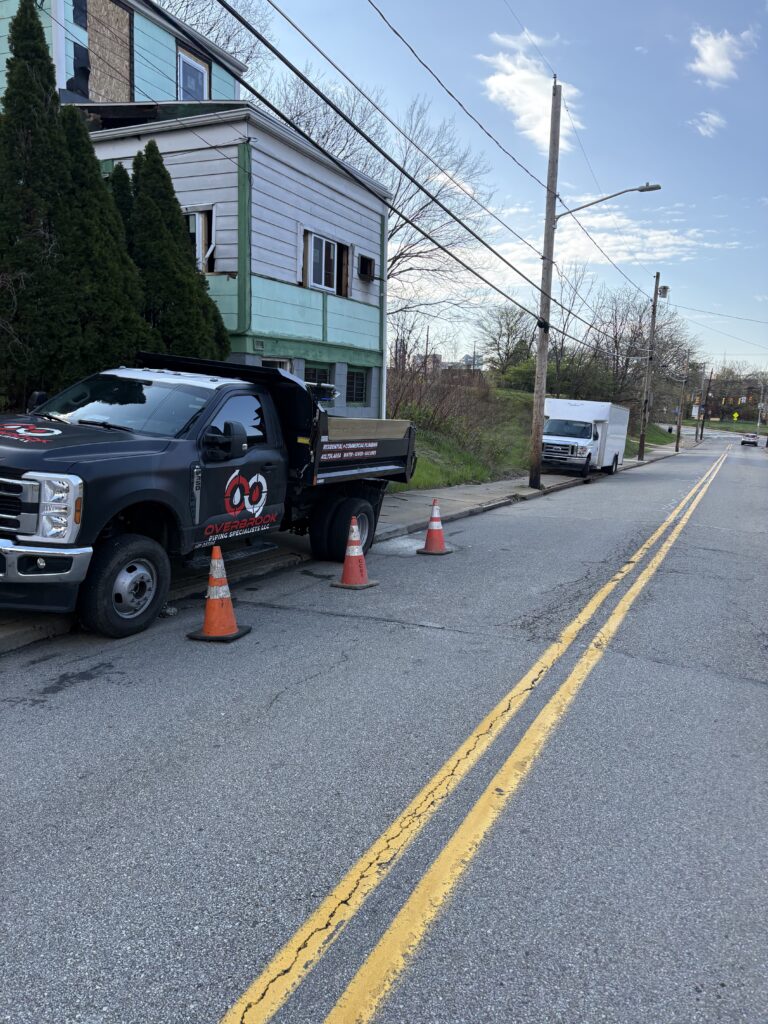
What Professional Drain Cleaning Includes Before the Holiday Season
A thorough drain cleaning visit begins with diagnosis rather than equipment. The plumber confirms which fixtures are affected, checks the trap and the tailpiece, and determines how far downstream the blockage sits. For recurring or severe problems, a camera inspection travels the line to reveal grease deposits, scale, root intrusion, bellies, and any structural damage. That footage takes the guesswork out of the repair and shows you exactly what the plumber is describing. Accurate diagnosis prevents unnecessary work and identifies problems that a simple cleaning would never address.
Cleaning follows, using the method suited to the pipe and the obstruction. Cabling handles solid blockages and root masses; hydro jetting removes grease, soap scum, and mineral scale from the pipe wall across the entire run. Access typically comes through a cleanout, the disposal discharge, or the trap arm, depending on the layout of the kitchen. Afterward, the plumber flushes the line and verifies proper drainage at full volume rather than relying on a trickle from the faucet. Work areas get protected and cleaned before the technician leaves.
The visit should close with clear information about what caused the problem and what to do next. That includes the condition of the line, any recommended repairs, and specific advice about kitchen habits that will keep the drain clear. If the inspection reveals a compromised sewer lateral or a deteriorated section of cast iron, you get an honest assessment and a straightforward price rather than a sales pitch. Some homes need nothing more than a cleaning and a strainer; others need a repair that should be scheduled soon. Knowing which situation you are in is the entire point of bringing in a professional.
Why Choose Overbrook Plumbing for Drain Cleaning During the Holiday Season
Overbrook Plumbing is a local, Pittsburgh based team, and we work in these neighborhoods every day. We know the housing stock, the age of the drain lines, and the specific problems that come with cast iron kitchen branches and clay tile laterals across the South Hills and the surrounding communities. Our plumbers are licensed and insured in Pennsylvania, and our pricing is honest and straightforward with no surprises added after the work is finished. We serve Mount Lebanon, Bethel Park, Baldwin, Upper St. Clair, South Park, West Mifflin, Ross Township, Penn Hills, and communities throughout the region. Local experience means faster diagnosis and fewer return trips.
Drains do not wait for business hours, which is why we offer 24/7 emergency plumbing service throughout the holidays. A sink backing up on Thanksgiving morning gets a real response, not a voicemail and a callback next week. We also offer military and senior discounts as a thank you to the people who have earned them. Every technician who enters your home is expected to treat the property with respect and leave the workspace clean. Our team is dedicated to providing a 5 star service on every call, from a simple kitchen clog to a full sewer line repair.
Booking your drain cleaning before the cooking season starts is the easiest way to avoid a holiday plumbing emergency, and appointments fill quickly once the weather turns cold. Want your kitchen line clear before the guests arrive? Click here for our drain cleaning service. Call Overbrook Plumbing at (412) 736-4654 to schedule an appointment, or email us at info@calloverbrook.com with questions about your kitchen drain, your garbage disposal, or your sewer line. You can also find us at 209 Richfield St, Pittsburgh, PA 15234. Handle it now, and enjoy a holiday season where the only thing draining is your coffee pot.