
Why Your Older Home Has Low Water Pressure in Every Room
Low water pressure that shows up in every room of an older home usually points to a problem with the main water supply rather than a single faucet. When the kitchen sink, the shower, and the bathroom tap all run weak at the same time, the cause sits somewhere upstream in your plumbing system. Homes built decades ago often rely on aging galvanized steel pipes, narrow supply lines, and older valves that struggle to keep up with modern water demand. Over many years, these systems collect rust, scale, and mineral deposits that slowly choke the flow of water through the entire house. The good news is that whole house pressure loss follows a small number of common causes, and each one has a clear fix. A trained plumber can trace the issue from the street to your fixtures and pinpoint exactly where the flow drops off. This guide explains why older homes lose pressure in every room, what each cause looks like, and how the right repair restores strong, steady flow. Understanding the source first saves you money and prevents repeated service calls for the same problem.
What Causes Low Water Pressure in Every Room of an Older Home
Pressure loss across an entire older home almost always traces back to the parts of the system that serve the whole house at once. That includes the main supply line, the pressure regulator, the meter valve, and the older pipes that carry water to every branch. A single clogged aerator only affects one fixture, so a house wide problem rules that out as the main cause. Galvanized steel piping, common in homes built before the 1960s, corrodes from the inside and narrows over time. Hard water adds another layer by leaving mineral scale that builds up on pipe walls and inside fixtures. A worn pressure regulator can drop the incoming pressure far below the level your home needs. Identifying which of these is at work is the first step toward a lasting repair, and it usually requires a few simple pressure tests.
Corroded Galvanized Pipes and Low Water Pressure in Older Homes
Galvanized steel pipe was the standard choice for residential plumbing for much of the early and mid twentieth century. The pipe carries a zinc coating that protects the steel for a while, but that coating breaks down after several decades of constant water contact. Once the zinc wears away, the bare steel underneath begins to rust from the inside out. Rust does not stay smooth; it forms rough deposits and flakes that cling to the interior pipe wall. As these deposits grow, the inside diameter of the pipe shrinks, which leaves less room for water to pass through. A pipe that started with a full opening can close down to a fraction of its original size after fifty or sixty years. Because this happens throughout the system at the same rate, every fixture in the house feels the drop at once. That is why a home full of original galvanized pipe often suffers from weak flow in every room.
The signs of corroded galvanized pipe go beyond simple pressure loss. Many homeowners notice a brown or rusty tint to the water, especially after the taps have been off overnight. The hot water side often clogs faster than the cold side because heat speeds up the corrosion process. You may also see flow that starts strong for a second and then fades as the narrowed pipe limits the volume. Older galvanized systems can also develop pinhole leaks once the wall thins enough, which adds hidden water loss to the problem. Tightening or replacing a single section rarely helps, since the corrosion exists along the full length of the original piping. The rust inside one pipe can also break loose and travel downstream, clogging valves and aerators throughout the house. These combined effects make galvanized corrosion one of the most common reasons an older home loses pressure everywhere.
The reliable fix for corroded galvanized pipe is replacement with modern materials. Copper and PEX both offer smooth interior walls that resist the scale and rust that plague old steel. These materials hold their full diameter for decades, which keeps water moving at full volume to every fixture. A plumber will usually inspect the pipe, confirm the corrosion, and recommend replacing the affected runs or the entire system. Repiping an older home restores pressure that residents may not have felt in years, and it removes the metallic taste that corroded steel pushes into the water. If your home still runs on original galvanized lines, our team can evaluate the system and walk you through the repair options that make sense for your house. Replacing that worn pipe is the surest way to bring full flow back to the whole home.
Mineral Buildup That Causes Low Water Pressure in Older Homes
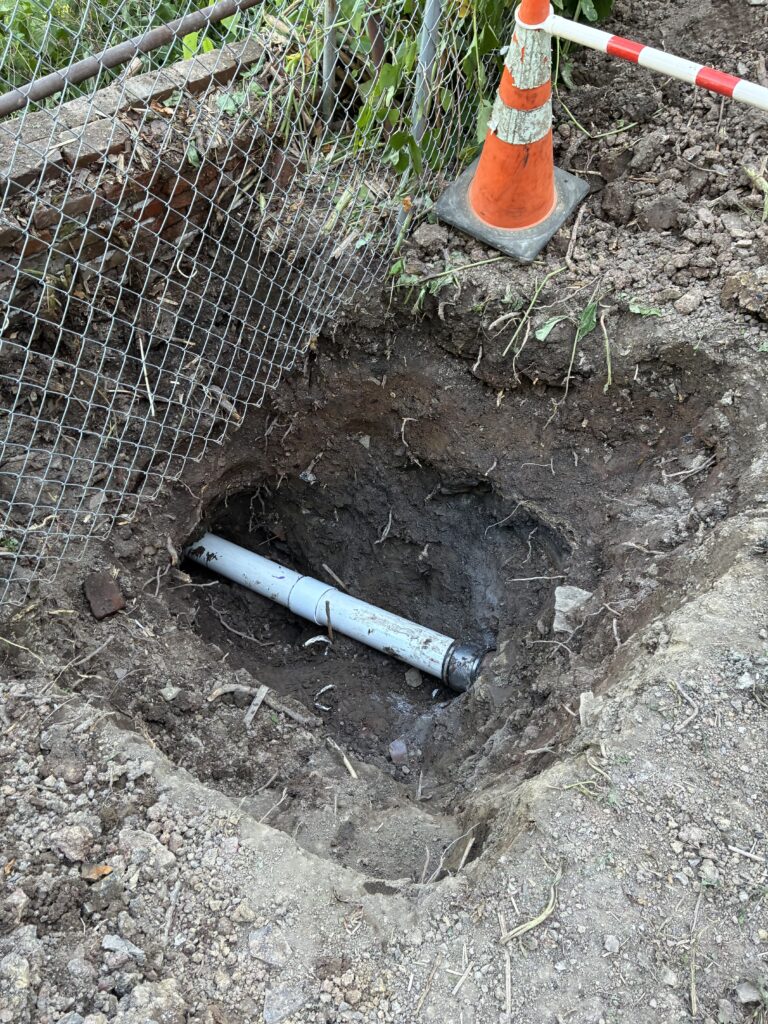
Hard water is water that carries a high level of dissolved minerals, mostly calcium and magnesium. Much of the country has moderately hard to very hard water, and the Pittsburgh region is no exception. As hard water flows through your pipes day after day, those minerals settle out and stick to the interior surfaces. Over time the deposits form a crusty layer of scale that lines the inside of the pipe. This scale works much like rust does, slowly shrinking the open space that water needs to flow. The buildup tends to be worst on the hot water side, since heat drives minerals out of solution faster. Water heaters, in particular, collect a thick layer of sediment at the bottom of the tank that restricts output. When scale coats the whole system, the result is weak pressure that shows up at every tap in the house.
Mineral buildup creates symptoms that often appear alongside low pressure. You may notice white or chalky crust forming around faucet spouts, showerheads, and drains. Showerheads frequently clog first because their small spray holes are easy for scale to block. Appliances that use water, such as dishwashers and washing machines, may run slower or wear out sooner. The water can also leave spots on glassware and a film on shower doors that is hard to clean. Inside the pipes, the same crust keeps thickening until the flow narrows to a trickle. Because scale builds gradually, many homeowners do not notice the slow decline until the pressure feels clearly weak. By that point the deposits usually coat large sections of the plumbing system.
Fixing mineral buildup starts with clearing or replacing the affected components. A plumber can flush a water heater, clean or swap clogged fixtures, and replace pipe sections that scale has narrowed too far. The longer term answer for hard water is treatment that stops the minerals from settling in the first place. A water softener or a whole house filtration system reduces the mineral load before water reaches your pipes. This protects new plumbing, extends the life of appliances, and keeps pressure steady for years. Treating the water also improves taste and cuts down on the spotting and crust that hard water leaves behind. Addressing both the buildup and its source gives you the best chance of lasting strong flow throughout the home.
A Failing Pressure Regulator and Low Water Pressure in Older Homes
Many homes have a pressure reducing valve, often called a pressure regulator, installed where the main line enters the building. The municipal supply can deliver water at a pressure that is too high for household plumbing, so this valve steps it down to a safe range. A healthy home usually runs between forty and sixty pounds per square inch. The regulator is a mechanical device with an internal spring and diaphragm that wear out over time. Most of these valves last somewhere between ten and fifteen years before they begin to fail. In an older home, the regulator may be original or long overdue for replacement. When it fails, it often sticks in a position that chokes the incoming flow, which drops pressure across the whole house. Because the valve sits at the entry point, every fixture downstream feels the effect at the same time.
A failing regulator can cause pressure problems in more than one direction. Sometimes it sticks low and starves the house of flow, leaving weak taps everywhere. Other times it fails open and lets pressure climb too high, which stresses pipes, fittings, and appliances. High pressure can shorten the life of water heaters, toilet valves, and supply hoses. A plumber can measure the pressure at an outdoor spigot with a simple gauge to see where the system stands. A reading well below forty pounds points strongly toward a regulator that needs attention. Testing also rules out other causes, since a normal reading sends the search elsewhere. This quick check is often one of the first steps in diagnosing house wide pressure loss.
Replacing a worn pressure regulator is a straightforward repair for a licensed plumber. The plumber removes the old valve and installs a new one rated for your home and supply. After installation, the plumber sets the valve to the correct pressure for your plumbing. This single repair can restore strong flow to every room when the regulator was the cause. It also protects your pipes and fixtures from the damage that swings in pressure create. Replacing an aging regulator on schedule prevents sudden failures and keeps pressure steady. If your taps run weak everywhere and the valve is old, it is worth having the regulator checked by a professional.
How to Fix Low Water Pressure in Every Room of an Older Home
Once a plumber identifies the cause, the path to fixing whole house pressure becomes clear. The right repair depends on what the testing reveals, since each cause calls for a different solution. Corroded pipes call for replacement, scale calls for cleaning and treatment, and a bad regulator calls for a new valve. Hidden leaks add another layer, because water escaping inside walls or underground steals pressure from the system. Narrow or undersized supply lines may also need an upgrade to handle modern water demand. A good plumber works through these possibilities in order, starting with the simplest tests. The sections below cover the most effective fixes for an older home that has lost pressure in every room.
Repiping to Fix Low Water Pressure in an Older Home
Repiping means replacing the old water supply pipes in your home with new ones. For older homes built around corroded galvanized steel, this is often the most complete and lasting fix. The process removes the rusted, narrowed pipe that has been choking your flow for years. In its place, the plumber installs copper or PEX, both of which keep their full diameter over the long run. The result is water that moves freely from the main line to every fixture in the house. Many homeowners describe the change as dramatic, since they had grown used to weak showers and slow faucets. Repiping also removes the source of rusty water and the metallic taste that comes with it. It is a larger project, but it solves the root cause rather than masking it.
A repiping project starts with a full inspection of the existing plumbing. The plumber maps the runs, checks the pipe material, and confirms how far the corrosion has spread. From there, the plumber plans the new layout to minimize disruption to your walls and floors. Modern PEX is flexible and can often be routed through existing spaces with fewer openings. Copper remains a strong choice where homeowners prefer a rigid, long proven material. The plumber replaces the lines in sections and tests each one before closing things up. A professional crew handles the permits, the shutoffs, and the cleanup so the work stays organized. When the job is done, the home runs on a fresh system built to last for decades.
Repiping is an investment, but it pays off in reliable pressure, cleaner water, and fewer future repairs. New pipe also reduces the risk of leaks and pinholes that plague aging galvanized systems. It can raise the value and appeal of an older home, since buyers value updated plumbing. Our team handles repiping projects across the Pittsburgh area with care and clear communication. We explain the plan, the timeline, and the cost before any work begins. Ready to replace your old pipes for good? Click here for our repiping service.
Leak Detection to Fix Low Water Pressure in an Older Home
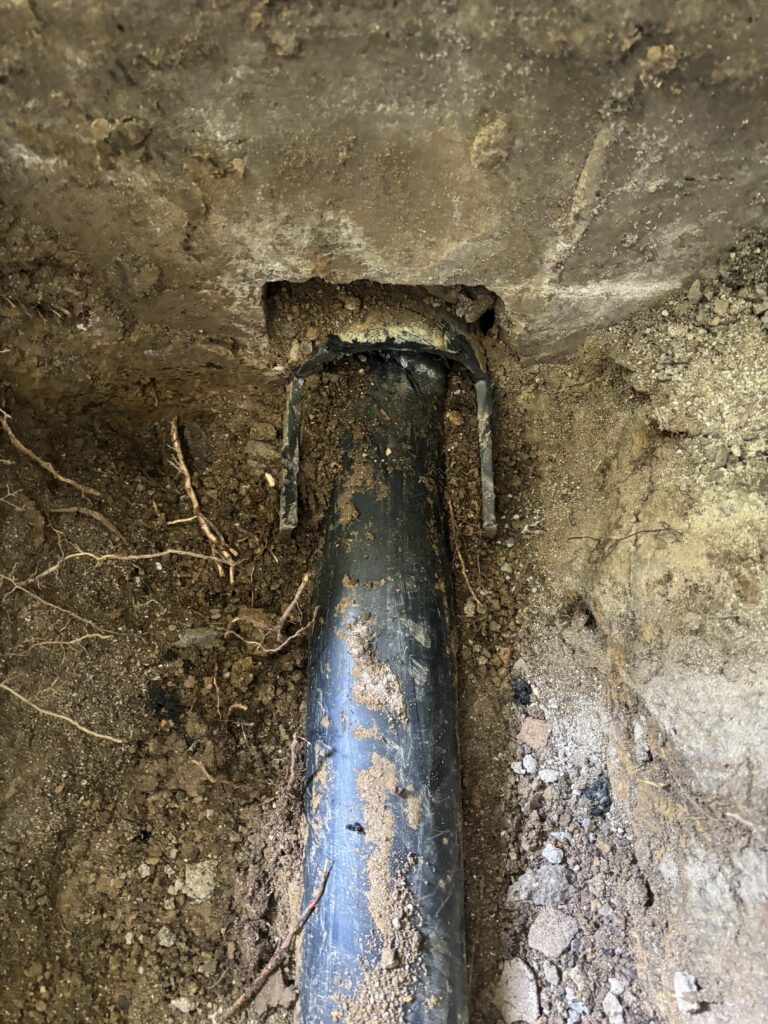
A hidden leak is one of the sneakiest causes of low pressure in an older home. When water escapes from a pipe before it reaches your fixtures, less of it arrives at the tap. A leak large enough to lower pressure across the house may hide inside walls, under floors, or in the ground. Older pipe joints and corroded sections are prime spots for these leaks to form. Because the water often does not show up where you can see it, the leak can run for a long time unnoticed. Signs include a higher water bill, damp spots, a musty smell, or the sound of running water with every tap closed. A slab leak under a concrete floor can be especially hard to spot without the right tools. Left alone, a hidden leak wastes water, damages the home, and keeps pressure low.
Professional leak detection uses specialized equipment to find the source without tearing the house apart. Plumbers use acoustic listening tools that pick up the faint sound of water escaping under pressure. They may also use moisture meters, thermal cameras, and pressure tests to narrow down the location. These methods let the plumber pinpoint a leak behind a wall or beneath a slab with accuracy. Finding the exact spot means the repair stays small and targeted instead of broad and destructive. This protects your floors, walls, and budget during the repair. Once the leak is located, the plumber can fix the pipe and restore the lost pressure. Catching a leak early also prevents mold, rot, and structural damage down the line.
Repairing a hidden leak often brings an immediate improvement in water pressure. With the water staying inside the pipes, full flow returns to your fixtures. The repair also stops the steady waste that drives up your monthly bill. In an older home, finding and fixing leaks early is one of the smartest ways to protect the plumbing. Our team uses modern tools to locate leaks fast and fix them with minimal disruption. Think a hidden leak is draining your pressure? Click here for our leak detection service.
Upgrading Water Supply Lines to Fix Low Water Pressure in an Older Home
The water supply lines carry water from the city main into your home and then to each fixture. In older homes, these lines are sometimes too narrow to meet the demands of a modern household. A house built decades ago may run on half inch pipe where a larger line would serve much better today. Families now use more water at once, with multiple bathrooms, modern appliances, and high flow fixtures. When the supply line is undersized, the system cannot deliver enough volume to keep pressure up everywhere. Running two fixtures at the same time, such as a shower and a washing machine, makes the weakness obvious. The main service line from the street can also corrode or narrow with age, just like interior pipe. Upgrading these lines gives the whole house the volume it needs.
A plumber evaluates supply lines by checking pipe size, material, and condition from the meter inward. The inspection looks at the main service line, the interior trunk lines, and the branches that feed each room. If the lines are too small or badly corroded, the plumber recommends an upgrade to a larger or newer pipe. Replacing the main service line restores full volume from the street to the house. Upgrading interior trunk lines makes sure that water reaches every branch at full strength. The plumber sizes the new lines to match your household demand so the pressure holds even under heavy use. Proper sizing is key, since a line that is too small will always limit flow no matter how new it is. This work pairs well with repiping when the whole system needs renewal.
Upgrading your water supply lines delivers steady, strong pressure across the entire home. It supports the way modern families actually use water, with several fixtures running at once. New, correctly sized lines also resist the corrosion and buildup that crippled the old ones. The improvement is most noticeable during busy mornings when demand peaks. Our team can assess your supply lines and recommend the right size for your home. Want stronger flow from properly sized pipes? Click here for our water supply lines service.
Why You Need a Professional Plumber for Low Water Pressure in Your Older Home
Low water pressure in every room is rarely a simple do it yourself fix in an older home. The cause sits in the parts of the system that serve the whole house, and those parts take training to test and repair. A professional plumber can run the right tests, read the results, and find the true source of the problem. That accuracy saves you from spending money on repairs that do not solve anything. The right diagnosis leads to a repair that lasts, not a temporary patch. The sections below explain why expert help matters and why local homeowners trust our team.
Why Professional Diagnosis Solves Low Water Pressure in Your Older Home
Diagnosing house wide pressure loss takes more than a quick look at a faucet. A skilled plumber tests the pressure at the source, checks the regulator, and inspects the pipe material. Each test rules out a cause and points the search toward the real problem. This step by step method prevents wasted effort on the wrong repair. An experienced eye also spots warning signs, such as rust stains or scale, that a homeowner might miss. Accurate diagnosis is the foundation of a repair that actually restores your pressure.
Older homes often hide several issues that overlap and compound the pressure loss. Corroded pipe, mineral scale, and a tired regulator can all act at once. A professional sorts out which factor matters most and in what order to address them. This keeps the repair focused and cost effective instead of scattered. The plumber also confirms the fix worked by testing the pressure again after the repair. That verification gives you confidence that the problem is truly solved.
Trying to guess the cause can lead to costly mistakes in an older home. Replacing a fixture will not help when the real issue is a corroded main line. A wrong guess wastes both time and money and leaves the weak pressure in place. A professional diagnosis gets it right the first time and saves you from repeat trips. It also catches related problems, such as hidden leaks, before they grow worse. For an older home, expert testing is the surest path to strong, reliable flow.
Why Lasting Repairs Restore Low Water Pressure in Your Older Home
A lasting repair fixes the root cause rather than the symptom. Swapping a clogged showerhead feels easy, but it does nothing for a corroded supply line. Real solutions, such as repiping or replacing a regulator, address the source of the pressure loss. These repairs hold up for years and keep your flow steady through daily use. A professional uses quality materials and proven methods that stand the test of time. That durability is what separates a true fix from a quick patch.
Quality work also protects the rest of your plumbing system. New pipe and proper pressure reduce strain on fixtures, valves, and appliances. This prevents the cascade of small failures that aging plumbing tends to create. A well planned repair can extend the life of your water heater and other equipment. It also lowers the chance of leaks, water damage, and emergency calls down the road. Investing in lasting repairs saves money over the long run.
Lasting repairs bring peace of mind along with strong water pressure. You stop worrying about weak showers, slow faucets, and rusty water. You also gain a plumbing system that is ready for years of normal use. A licensed plumber backs the work with proper standards and care. That assurance matters most in an older home with a long history of wear. Choosing a thorough repair today prevents bigger headaches tomorrow.
Why Choose Overbrook Plumbing for Low Water Pressure in Your Older Home
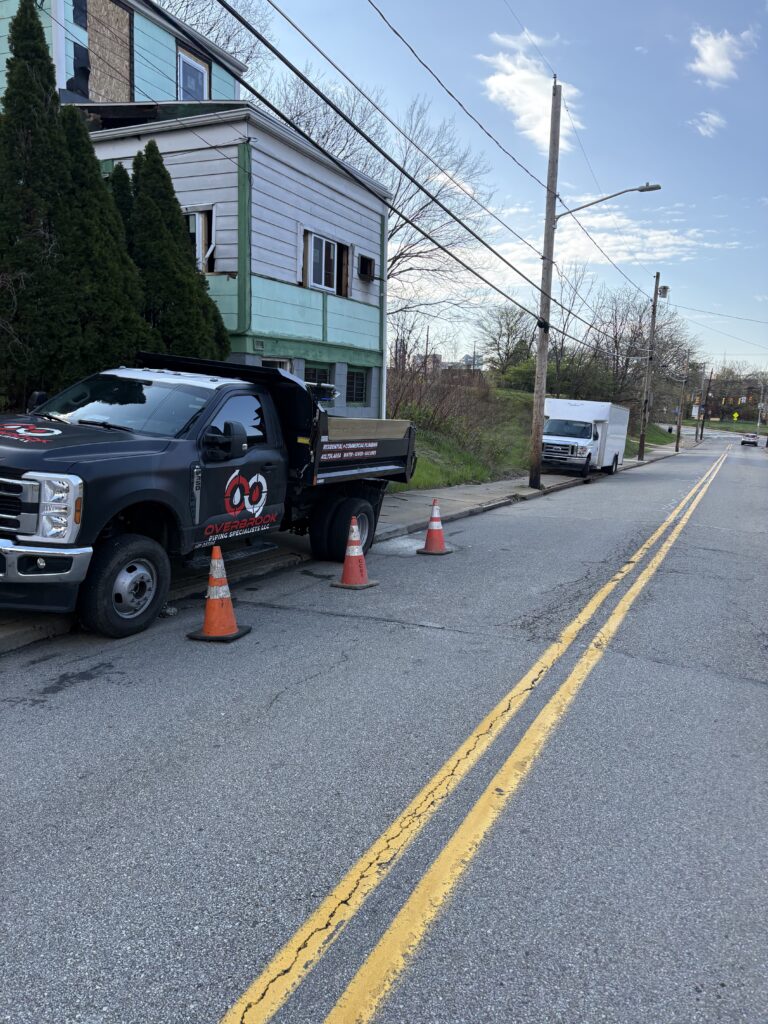
Overbrook Plumbing is a local, Pittsburgh based team dedicated to honest, five star service. We treat every older home with the care and attention its plumbing deserves. Our licensed and insured plumbers diagnose pressure problems accurately and fix them right. We offer honest and straightforward pricing, so you know the cost before the work begins. We also provide military and senior discounts as a simple way to say thank you. Our crew shows up on time and treats your home with respect.
We handle the full range of repairs that restore water pressure in older homes. That includes repiping, leak detection, supply line upgrades, and regulator replacement. We are licensed and insured in Pennsylvania and stand behind our work. Our team offers 24/7 emergency plumbing service for problems that cannot wait. We serve Pittsburgh and many surrounding communities across the region. No matter the age of your home, we have the tools and experience to help.
When your older home loses pressure in every room, the right plumber makes all the difference. Our team finds the true cause and delivers a repair that lasts. We combine local knowledge, fair pricing, and a real commitment to quality. Pittsburgh homeowners trust Overbrook Plumbing to restore strong, steady flow. Reach out today and let us bring your water pressure back to full strength. Call Overbrook Plumbing at (412) 736-4654 to schedule your service.