
What Those Gurgling Toilet Sounds Are Trying to Warn You About
A toilet is supposed to be quiet between flushes, so a gurgle is never random background noise. That bubbling sound is air being pushed or pulled through the water sitting in your toilet trap, and air only moves that way when something in the drainage system is out of balance. Sometimes the cause is minor, like a partially obstructed vent that a summer storm packed with leaves and roof grit. Other times the gurgle is the earliest warning of a main sewer line that is filling with roots, grease, or collapsed pipe material. Pittsburgh homes make this especially common; older neighborhoods sit on clay and cast iron sewer laterals surrounded by mature trees that are at their most aggressive during the warm growing season. Heavy July downpours push groundwater into cracked lines, which reduces flow capacity even further. Homeowners often wait until water backs up into a tub or basement floor drain before calling, and by then the repair is far more disruptive than it needed to be. Learning to read the sound early gives you a real advantage. This guide explains what your toilet is trying to tell you, what to check, and when the problem has moved beyond a plunger.
What Causes Gurgling Toilet Sounds in a Home Drain System
Every drain in your house depends on two things working together: water flowing down and air flowing in behind it. Air enters through vent piping that runs up through the roof, and it keeps pressure equalized so waste water moves smoothly. When that air path is blocked, or when a downstream obstruction forces air to find a new escape route, the nearest water trap becomes the release valve. Your toilet holds the largest volume of standing water in the house, which is exactly why it broadcasts the problem so loudly. The gurgle itself is not damage; it is a symptom, and the location and timing of the sound narrow down the cause quickly. A toilet that gurgles only when the washing machine drains points somewhere different than one that gurgles on its own at random hours. Understanding these patterns saves diagnostic time and money.
How a Blocked Vent Stack Creates Gurgling Toilet Sounds
The vent stack is the vertical pipe that carries sewer gas out through your roof and lets fresh air into the drain system at the same time. When it functions correctly, you never think about it. When it becomes obstructed, the drain system starts pulling air from wherever it can, and the path of least resistance is usually the water in a toilet bowl or a nearby sink trap. That suction creates the classic bubbling or glugging noise. In Pittsburgh, vent blockages commonly come from bird nests built in spring, wind blown leaves, wasp activity, or debris washed down during heavy summer rain. Older homes sometimes have vents that were undersized when built, and they clog with far less material than a modern four inch stack would. A partially blocked vent produces intermittent gurgling, while a fully blocked one usually creates slow drainage across multiple fixtures at once.
There is a second clue that points strongly toward a vent problem rather than a clog. Sewer odor. The water in each P trap forms a seal that keeps sewer gas out of your living space, and negative pressure inside the pipes can siphon that seal away. Once the trap water is gone, gas moves freely into the room. Homeowners often notice this first in a guest bathroom or basement fixture that nobody uses regularly, because those traps also lose water to evaporation. If you hear gurgling and smell something sulfurous or musty near a drain, treat that combination seriously. Sewer gas contains hydrogen sulfide and methane, and while typical household concentrations are low, they are not something to live with. Restoring proper venting fixes both the noise and the odor.
Vent repair is not a project for a ladder and a garden hose. Roof work carries obvious fall risk, and flushing water down a vent can drive the obstruction deeper into the horizontal branch lines where it becomes much harder to reach. A licensed plumber uses a drain camera or a vent specific auger to locate the material, clear it, and confirm airflow afterward. We also check the stack termination for proper height and screening, since improperly sized or unscreened vent openings invite repeat blockages every year. In some older Pittsburgh houses, we find vents that were capped during a past remodel or never reconnected correctly after an addition. Those situations require actual repiping of the vent branch rather than simple cleaning. Hearing gurgling in more than one fixture? Click here for our drain cleaning service and let us diagnose the airflow problem properly.
Why a Clogged Sewer Line Causes Gurgling Toilet Sounds
Your main sewer line is the single pipe that carries everything from your house to the municipal main or septic system. It is typically four inches in diameter and runs under your yard at a slight downward slope. When that line narrows because of buildup, waste water backs up behind the restriction and traps air ahead of it. That trapped air has to escape, and it bubbles up through the lowest fixture first, which in most homes is a first floor or basement toilet. This is why a gurgle that shows up right after you run the washing machine, empty a bathtub, or run a long shower is such a meaningful signal. Large volume discharges reveal restrictions that a single toilet flush never would.
The buildup itself accumulates over years. Grease poured down a kitchen sink cools and hardens against pipe walls, then catches paper, hair, and food solids. Products labeled flushable, including wipes and certain hygiene items, do not break apart the way toilet paper does and are a leading cause of main line blockages in residential service calls. Mineral scale builds inside older cast iron and creates a rough interior surface that grabs debris. Add a summer of heavy laundry loads and house guests, and a line that was quietly functioning at half capacity finally announces itself. Multiple gurgling fixtures, slow drains throughout the house, and water rising in a floor drain all point downstream rather than at any one toilet.
Clearing a main line correctly depends on the type and location of the obstruction. Cable machines, commonly called snakes, punch a hole through soft blockages and restore flow quickly, which makes them a good emergency option. They do not, however, scour the pipe walls clean, so the restriction often returns within months. Hydro jetting uses high pressure water through a specialized nozzle to strip grease, scale, and root hairs back to bare pipe, restoring full diameter flow. We generally recommend a camera inspection first so we know what we are working with and can confirm the pipe is structurally sound enough for jetting. Blind jetting of a fractured clay line is a mistake, and a reputable plumber will always look before deciding. Click here for our hydro jetting service to see how a full cleaning differs from a quick snake.
The Gurgling Toilet Sounds That Point to Tree Roots and Pipe Damage
Tree roots seek moisture and nutrients, and a sewer line carries both. Roots do not break into intact pipe; they find existing weak points such as failed joints, hairline cracks, or the deteriorated mortar seams common in clay tile laterals. Once a fine root hair enters, it expands inside the nutrient rich environment and forms a dense mat that catches every solid passing through. Summer is peak growing season, so a line that behaved all winter can develop symptoms in July. Neighborhoods across Mount Lebanon, Baldwin, Bethel Park, and Ross Township have exactly the mature tree canopy and mid century clay laterals that make this failure mode routine. The gurgle usually starts intermittently, worsens over weeks, and eventually becomes a full backup.
Structural pipe problems produce similar symptoms with a different cause. A bellied line, meaning a section that has sagged below the intended slope, holds standing water permanently. Solids settle in that low spot and build until flow restricts. Offset joints, where soil movement has shifted one pipe section out of alignment, create a lip that catches debris the same way. Cast iron corrodes from the inside out and eventually develops channeling along the bottom of the pipe where the metal has thinned. In each of these cases, cleaning provides temporary relief but the underlying defect keeps regenerating the blockage. Repeat service calls on the same line are a strong sign that the pipe itself needs attention rather than another cleaning.
The only reliable way to distinguish roots from a belly from a collapse is a video camera inspection. A self leveling camera head is fed through a cleanout and transmits live footage of the pipe interior, with a locator that marks depth and position from the surface. That footage tells us the material, the diameter, the condition, and the exact distance to the problem. Homeowners get to see it too, which matters; nobody should approve excavation based on a description alone. Depending on findings, options range from root cutting and jetting to trenchless pipe lining or a targeted spot repair rather than full replacement. Knowing the difference between a five hundred dollar cleaning and a structural repair starts with looking inside the pipe.
How to Respond to Gurgling Toilet Sounds Before They Turn Into a Backup
There is a short window between the first gurgle and the first backup, and what you do in that window matters. The goal is to gather information, avoid making the blockage worse, and reduce load on the drain system until a plumber can assess it. Most homeowners have the instinct to reach for a plunger or a bottle of drain chemical, and both of those choices can backfire depending on the actual cause. A few minutes of observation gives a plumber far better information than a guess. Note when the gurgling happens, which fixtures are involved, and how quickly water drains in each. Also check your basement floor drain, since it is often the first place water appears when a main line is failing. That single observation frequently changes the diagnosis.
Simple Checks to Make When You Hear Gurgling Toilet Sounds
Start by isolating the fixture. Run the bathroom sink near the toilet for thirty seconds and listen. Then fill the tub partway and release it, which sends a large volume of water down at once. Run the washing machine on a drain cycle and stand near the toilet while it discharges. If the toilet gurgles during any of these tests, the shared branch line or main line is restricted rather than the toilet itself. If it gurgles only when nothing else is running, venting is the more likely culprit. Write down what you observe, because these patterns are the single most useful thing you can hand a plumber when they arrive.
Next, look for your main cleanout. It is a capped pipe, usually three or four inches across, located in a basement, crawl space, utility room, or just outside the foundation wall. Do not remove the cap if you suspect a full blockage, since standing sewage can be under pressure behind it. Simply knowing where it is, and clearing any stored items around it, speeds up service considerably. Check the basement floor drain for standing water or odor at the same time. Finally, take a look at your water bill and toilet performance history; a toilet that has been flushing weakly for months was already telling you something before the gurgling started. Small details build a picture.
Reduce water use until the system is inspected. Hold off on laundry, dishwasher cycles, and long showers, because every gallon you send down a restricted line increases backup risk. Stagger any necessary use so the drain has time to clear between loads. If you have guests in the house during summer, tell them what is going on rather than hoping it holds. Keep a bucket and towels near the lowest fixture as a precaution. These are temporary measures, not solutions, and they only buy you time. Use that time to get a professional set of eyes on the system.
What Not to Do About Gurgling Toilet Sounds
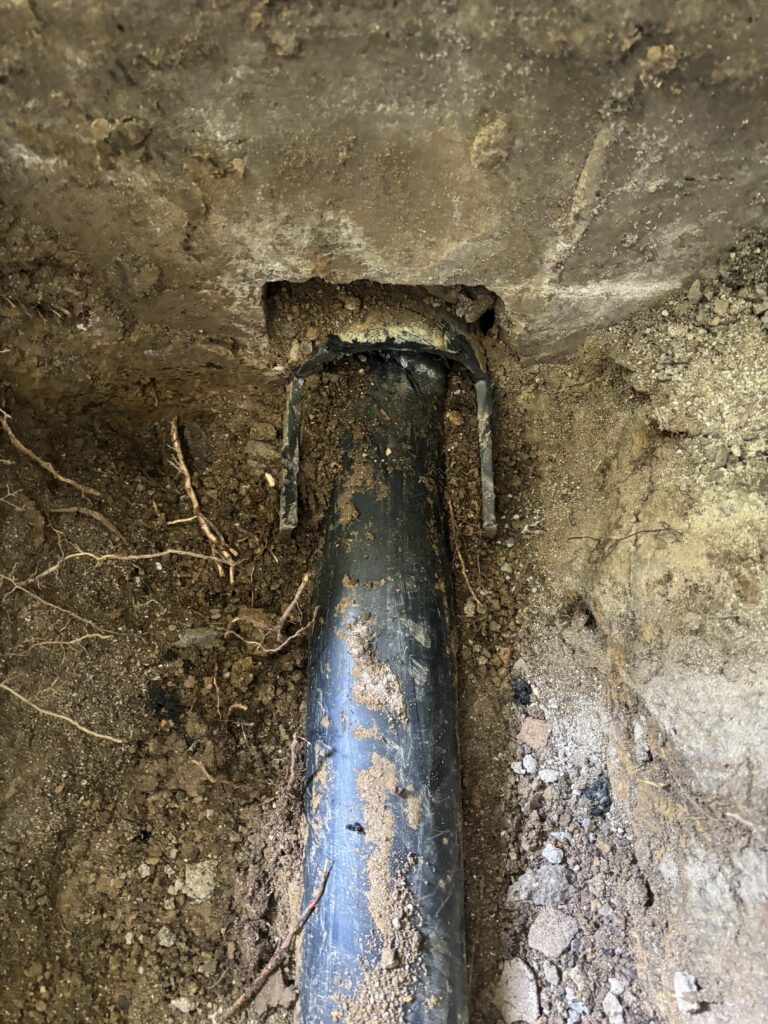
Skip the chemical drain cleaner. Caustic and acid based products are formulated for soft hair and soap clogs in a sink trap, not for a main line obstruction thirty feet under your yard. They rarely reach the blockage, they sit in the pipe generating heat, and they can damage older cast iron, deteriorate rubber gaskets, and warp certain plastics. If a plumber later has to open the line, that standing chemical becomes a genuine safety hazard for them. Enzyme based maintenance products have a legitimate role in ongoing grease control, but they work slowly and will not resolve an active blockage. Roots in particular are completely unaffected by anything you pour down a bowl. Save your money.
Aggressive plunging is the second common mistake. A plunger works by creating pressure differential across a nearby obstruction, and it can be genuinely useful for a clog inside the toilet trap itself. Applied to a main line blockage, it accomplishes nothing and can force waste water sideways into a tub or shower drain that shares the branch. Repeated hard plunging can also break the wax ring seal at the toilet base, which creates a slow leak into the subfloor that nobody notices for months. That turns a drain problem into a rot and mold problem. One or two firm attempts are reasonable. Twenty are not.
Renting a heavy duty cable machine is where do it yourself efforts get expensive. These machines carry real injury risk, including hand and wrist injuries from cable whip, and an inexperienced operator can easily punch through a weakened clay or cast iron pipe. We have been called to repair excavation level damage that started as a rental machine and a good intention. There is also the matter of not knowing what you hit or how far you went. A professional machine operator reads cable feedback constantly and stops when something feels wrong. Combine that with camera verification and you get a repair instead of a gamble.
When Gurgling Toilet Sounds Require a Sewer Camera Inspection
Certain patterns move a gurgling toilet from a maintenance item to an inspection priority. Gurgling in two or more fixtures at once is one. Water appearing in a basement floor drain or shower pan when a toilet is flushed is another. Repeat clogs in the same line within a twelve month period almost always indicate a structural cause. Sewage odor in the yard, unusually green patches of grass over the lateral path, or soggy ground during dry weather point to a line that is leaking underground. Any of these justify a camera before further cleaning. Guessing at this stage costs more than looking.
A camera inspection is also the right first step for anyone buying an older Pittsburgh home. Sewer laterals are the homeowner’s responsibility from the house to the connection point in most municipalities, and replacement is a significant expense that a standard home inspection does not evaluate. Twenty minutes of camera work before closing has saved buyers many thousands of dollars. The same applies before any major bathroom or kitchen remodel; there is no sense in tiling over a drain line that has three years left in it. Documentation matters too. Recorded footage supports insurance claims and municipal discussions when the defect turns out to be on the public side.
The inspection itself is straightforward and does not require digging. We access the line through an existing cleanout, feed the camera the full length of the lateral, and record everything. The locator identifies the exact position and depth of any defect so that if excavation becomes necessary, we dig once in the right place instead of exploring. Findings get explained in plain terms with the footage in front of you. From there we can outline the realistic options and costs. Suspect something structural under your yard? Click here for our sewer line inspection service and get a clear answer instead of another temporary fix.
Why You Should Never Ignore Gurgling Toilet Sounds in Your Home
Gurgling is cheap information. Acted on early, it usually means a cleaning, a vent clearing, or a targeted repair completed in a single visit. Ignored, it progresses to sewage backing up into finished basements, damaged flooring, contaminated belongings, and restoration costs that dwarf the original plumbing bill. Sewer backups also carry genuine health consequences, since raw waste water contains bacteria including E. coli and other pathogens that require professional cleanup. Pittsburgh’s summer storm pattern adds urgency, because a line already at reduced capacity has no margin left when groundwater infiltrates it. The sound is your warning, and it will not get quieter on its own.
The Health and Property Risks Behind Gurgling Toilet Sounds
A sewage backup is classified as category three water damage, which means it is treated as grossly contaminated. Porous materials such as carpet, pad, drywall, and particle board typically cannot be salvaged once exposed. Cleanup requires containment, extraction, antimicrobial treatment, and controlled drying, and it is not a mop and bucket situation. Homeowners insurance coverage for sewer backup is frequently a separate rider rather than standard coverage, which surprises people at the worst possible moment. Preventing the event costs a fraction of responding to it.
Sewer gas exposure is the slower risk. Dry or siphoned traps let hydrogen sulfide, methane, and ammonia compounds into occupied space, and prolonged low level exposure causes headaches, nausea, fatigue, and respiratory irritation. Families often attribute these symptoms to allergies or a summer cold and never connect them to a plumbing defect. Any persistent drain odor deserves investigation rather than an air freshener. Restoring proper venting and trap seals resolves it permanently.
There is also a structural dimension. A sewer lateral that leaks underground saturates surrounding soil, which erodes support and can undermine slabs, sidewalks, and foundation footings over time. Slow leaks near a foundation contribute to basement moisture and the mold that follows. Root intrusion widens existing cracks every season it goes unaddressed, turning a repairable joint into a collapsed section. None of this happens overnight, which is exactly why it goes unnoticed. The gurgle is often the only above ground evidence you get.
What Professional Repair for Gurgling Toilet Sounds Includes
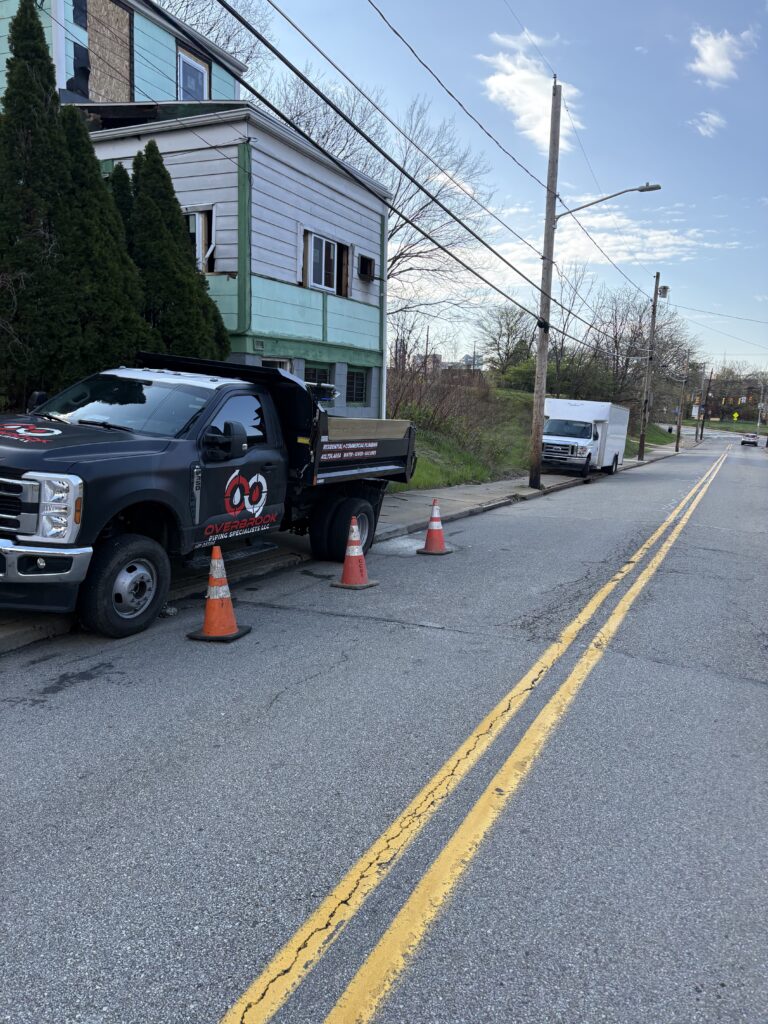
Our process starts with diagnosis rather than a sales pitch. We listen to what you have observed, test the fixtures, locate the cleanout, and determine quickly if the problem is venting, branch line, or main line. Camera inspection follows when the symptoms warrant it, and you see the footage as we go. Only then do we recommend a repair path, and we explain the reasoning behind it. Straightforward pricing is provided before work begins, so there are no moving numbers once we are underway.
Repairs are matched to the actual defect. Vent obstructions get cleared and verified for airflow. Grease and scale buildup gets hydro jetted back to full pipe diameter. Root intrusion gets cut and jetted, with a structural recommendation attached if the entry points indicate ongoing failure. Bellied, offset, collapsed, or badly corroded sections get repaired or replaced, and we discuss trenchless options where the site allows. Toilets with worn flappers, weak flush volume, or failed wax seals get addressed at the same visit. Fixing the sound without fixing the cause is not a repair.
We also handle the emergency side, because backups do not schedule themselves for business hours. Our team is available around the clock for active sewage backups, burst pipes, and total drain failures. Fast response limits the damage footprint, which is often the difference between drying a floor and gutting a room. If the situation turns out to be on the municipal side, we document it so you have what you need. Dealing with an active backup or a toilet that will not drain? Click here for our sewer line repair service.
Why Choose Overbrook Plumbing for Gurgling Toilet Sounds and Sewer Repair
We are a local, Pittsburgh based plumbing team, and that local knowledge matters more than people expect on sewer work. We know which neighborhoods have clay laterals, where cast iron is still common, how the soil behaves after a hard summer rain, and what the municipal connection points look like across the South Hills and beyond. Our plumbers are licensed and insured in Pennsylvania, and every job is performed to code. Honest and straightforward pricing is a standard we hold to on every call, not a promotion. You will know the cost before we start.
Our reputation is built on doing the diagnosis properly. Anyone can run a cable and leave, and plenty of companies do. We would rather show you the inside of your pipe, explain what caused the problem, and give you options that include the least invasive one. That approach means fewer repeat visits, which is exactly how it should work. We also offer military and senior discounts as a genuine thank you to the people who have earned them.
Overbrook Plumbing is dedicated to providing five star service on every visit, from a simple toilet repair to a full sewer lateral replacement. We back our work, we clean up after ourselves, and we treat your home the way we would treat our own. That gurgling toilet is not going to fix itself, and every week you wait gives roots and buildup more room to work. Call Overbrook Plumbing at (412) 736-4654 or email info@calloverbrook.com to schedule your inspection, and if you need help right now, our 24/7 emergency plumbing team is standing by. One call gets you a clear answer and a real fix.