
What Galvanized Pipes Are Doing to Your Water Quality
Galvanized pipe was the standard water line material in Pittsburgh homes for decades, and plenty of it is still in service today. It is steel that was dipped in molten zinc, and the zinc was supposed to keep the steel from rusting. That coating does not last forever. Once the zinc wears thin, the steel underneath begins corroding from the inside out, and every drop of water you use passes through that rust. The result is water that looks off, tastes metallic, and carries metals you never agreed to drink. Flow drops, pressure fades, and the pipe walls close in a little more each year. Homeowners often blame the city, the water heater, or a bad faucet when the pipe itself is the real problem. This guide covers what galvanized pipe does to your water quality, how to confirm it, and what actually fixes it for good.
What Galvanized Pipes Do to Water Quality Inside Your Home
Galvanized steel pipe was the plumbing standard in this region from the early 1900s through the 1950s, and it kept showing up in construction into the 1960s. Manufacturers coated ordinary steel with zinc because zinc corrodes before steel does, which buys the pipe several decades of protection. Water is not gentle, though. Chlorine, oxygen, minerals, and steady pressure wear that zinc layer down until bare steel sits exposed to the flow. Steel plus water equals rust, and rust does not wash away neatly. It builds into hard nodules that cling to the pipe wall, a process plumbers call tuberculation. Those nodules shed particles into your drinking water and choke the opening the water travels through. By the time you notice a change at the faucet, the inside of the pipe usually looks nothing like it did on installation day.
Why Galvanized Pipes Corrode and Ruin Water Quality
Galvanized pipe has a working life of roughly 40 to 70 years under normal conditions. Plenty of Allegheny County homes still run water through pipe installed before World War II. The zinc coating is sacrificial by design, meaning it gives itself up so the steel underneath stays intact. Once that layer thins out in a given spot, corrosion starts there and spreads along the pipe wall. Hot water lines almost always fail first, because heat speeds up every chemical reaction happening inside the pipe. Horizontal runs collect sediment along the bottom, which holds moisture and minerals against the steel for years. Threaded connections corrode faster than straight runs, since cutting threads removes metal and leaves the wall at its thinnest right at the joint. That is why so many old systems start weeping at fittings rather than in the middle of a length of pipe.
Corrosion inside a water line is not a smooth or even process. Rust forms in clumps, and those clumps grow inward toward the center of the pipe. A half inch supply line can lose most of its usable opening to buildup without showing a single drop on the outside. Water then has to squeeze through a rough, narrow channel, which increases turbulence and knocks even more rust loose. Every time a faucet opens, that surge of flow pulls particles off the walls and sends them straight toward your fixtures. Aerator screens catch some of it; the rest ends up in your glass, your ice maker, and your washing machine. The buildup also traps organic material and creates rough surfaces where biofilm can take hold. None of that improves the taste, the smell, or the safety of what comes out of the tap.
Mixing metals makes everything worse. Many homes have had partial repairs over the years, so a copper section gets threaded onto an original galvanized line. When two dissimilar metals touch in the presence of water, an electrical reaction called galvanic corrosion begins, and the galvanized side gives up material fast. A dielectric union or a brass transition fitting separates the metals and slows that reaction considerably. Skipping that fitting is one of the most common mistakes we find in older Pittsburgh basements. Well intentioned patch jobs can create a corrosion hot spot that fails in a few years instead of a few decades. Water chemistry plays a role too, since low pH water and heavy mineral content both accelerate metal loss. A licensed plumber can read those signs during a walkthrough and tell you which sections are closest to failing.
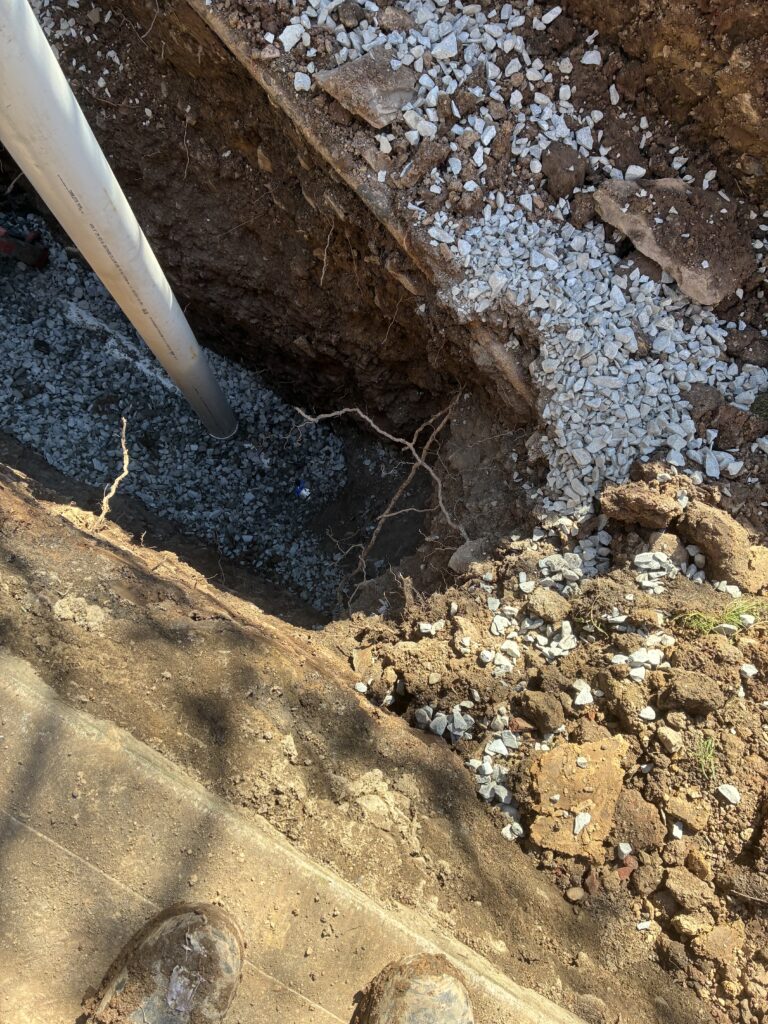
Warning Signs Galvanized Pipes Are Hurting Your Water Quality
Brown, yellow, or reddish water is the sign most people notice first. It usually shows up in the morning, after water has been sitting still in the pipes overnight. Stagnant water gives rust more time to dissolve and more time to release loose particles into the supply. The hot side often looks worse than the cold side, and a bathtub tends to show it more clearly than a small bathroom sink. Color that clears after a minute of running points to your household piping rather than the municipal supply. Color that never clears, no matter how long the tap runs, deserves a call to the water authority as well. Keep in mind that clear water is not automatically clean water, since dissolved metals do not always change how water looks. Testing is the only way to know what is actually in it.
Falling water pressure is the second big clue. Tuberculation narrows the pipe gradually, so the change sneaks up on a household over many years. Showers go weak the moment someone flushes a toilet, and filling a bathtub starts taking noticeably longer than it used to. Fixtures farthest from the water heater or the main line usually suffer first. Summer makes it obvious, because outdoor spigots, sprinklers, and extra laundry all pull on the same tired supply at once. Cleaning an aerator restores flow for a week or two, then the screen clogs with grit all over again. That repeating cycle is a strong indicator that rust is coming from inside your own pipe rather than from the street. Seeing wet spots, rust stains, or bubbling paint near an old pipe run? Click here for our leak detection service.
Taste and smell change as corrosion advances. A metallic or bitter edge on tap water often traces back to iron and zinc coming off the pipe wall. Coffee tastes flat, ice cubes look cloudy, and pasta water picks up a faint gray tint. Laundry is another giveaway, since iron leaves orange staining on white fabric that chlorine bleach only sets deeper. Toilet tanks and bowls develop rusty rings that return within days of scrubbing. Dishwashers and water heaters fill with sediment, which shortens the working life of both appliances. Any single one of these signs might have a completely different cause. Several of them together in a house built before 1970 points strongly at galvanized supply piping.
How Galvanized Pipes Add Lead and Metals to Your Water Quality
Lead is the reason galvanized pipe gets serious attention from health agencies. The zinc used to coat older pipe was not pure, and it frequently contained trace lead and cadmium. That is only part of the story. The bigger issue is that rough interior scale acts like a sponge for lead that traveled through the pipe from somewhere else. Homes that once had a lead service line can hold lead inside the galvanized piping long after that service line was replaced. The EPA classifies this piping as galvanized requiring replacement for exactly that reason. Scale can release stored lead into your water years later, especially after pressure changes or nearby street work. No level of lead in drinking water is considered safe for children.
Iron is the metal you will notice most, though it is far less dangerous than lead. It changes color, taste, and odor, and it stains nearly everything it touches. High iron content also feeds certain bacteria that thrive in slow moving water lines. Those bacteria are rarely a direct health threat, but they produce a musty smell and a slimy residue inside tanks and fixtures. Zinc leaches out alongside the iron and adds a sharp, metallic flavor at higher concentrations. Cadmium shows up occasionally in samples drawn from very old galvanized systems. Each of these metals is measurable through a certified laboratory test. Guessing based on color alone tells you almost nothing about the actual numbers.
Sediment brings its own set of problems beyond water quality. Rust flakes travel downstream and settle in the bottom of the water heater tank. That layer insulates the burner or element from the water, which drives up energy use and shortens tank life considerably. Particles jam toilet fill valves, clog faucet cartridges, and score the seals inside shower mixing valves. Refrigerator water lines and ice makers are especially sensitive, since their tubing is narrow and their filters were never designed for that kind of load. Repair calls start stacking up, and each one treats a symptom instead of the source. Homeowners often spend more on scattered fixture repairs over a decade than they would have spent replacing the supply lines. Replace the pipe and everything downstream of it gets easier.
How to Test and Treat the Water Quality Problems From Galvanized Pipes
Confirming a galvanized pipe problem takes two steps: look at the pipe, then look at the water. Both matter, because a visual inspection tells you the condition of the system while lab results tell you what your family is actually drinking. A magnet sticks to galvanized steel and does not stick to copper or brass, which makes identification quick. Galvanized pipe is dull silver or gray when new and turns dark and chalky with age. Threaded fittings at every connection are another strong hint, since copper is soldered and PEX uses crimp rings. From there, a plumber can check pressure, measure flow, and cut a sample section to see the true condition of the bore. Water testing fills in the part nobody can see from the outside. Together, those results tell you exactly how urgent your situation is.
How to Test Water Quality in a House With Galvanized Pipes
A first draw sample gives the most useful picture of water quality in a house with galvanized pipes. Water needs to sit undisturbed in the lines for at least six hours before the sample is taken. That stagnant period lets metals dissolve into the water the same way they do while your household sleeps. The sample then goes to a laboratory accredited in Pennsylvania for drinking water analysis. Ask for lead, iron, zinc, copper, and pH at a minimum. Hardness and total dissolved solids are worth adding, since both affect how quickly the metal keeps corroding. Results usually come back within one to two weeks. Store bought test strips are fine for a rough check on hardness or chlorine, but they cannot measure lead at the levels that actually matter.
Pressure and flow testing complete the picture. A gauge on an outdoor spigot reads static pressure with everything shut off, and most homes should sit between 40 and 80 psi. Static pressure can look perfectly normal even when a pipe is nearly blocked, so flow testing tells you far more. Running a fixture and timing how long it takes to fill a measured container gives you gallons per minute. Comparing that number across several fixtures shows which branches are the most restricted. A large gap between the closest fixture and the farthest one usually means the horizontal runs are packed with scale. We often open a union or cut a short section from a basement run to look directly at the opening. That cross section is the clearest evidence a homeowner can see, because rust buildup is undeniable once it is sitting on the workbench.
Age and records fill in the rest of the story. Deeds, permits, and old invoices sometimes list the original piping material along with any partial replacements. Pittsburgh Water publishes service line material information for many addresses, which is worth checking before you assume anything about the line coming from the street. A galvanized service line paired with galvanized interior piping is the highest priority scenario for replacement. Homes with copper interior lines but a galvanized service line still deserve attention, since the buried section is the harder one to reach later. Buyers and renters should ask directly during inspections rather than relying on a general home inspection report. Inspectors often note the material without ever evaluating the internal condition of the pipe. A plumbing specific evaluation gives you numbers, photos, and a clear replacement timeline instead of a single line buried in a report.
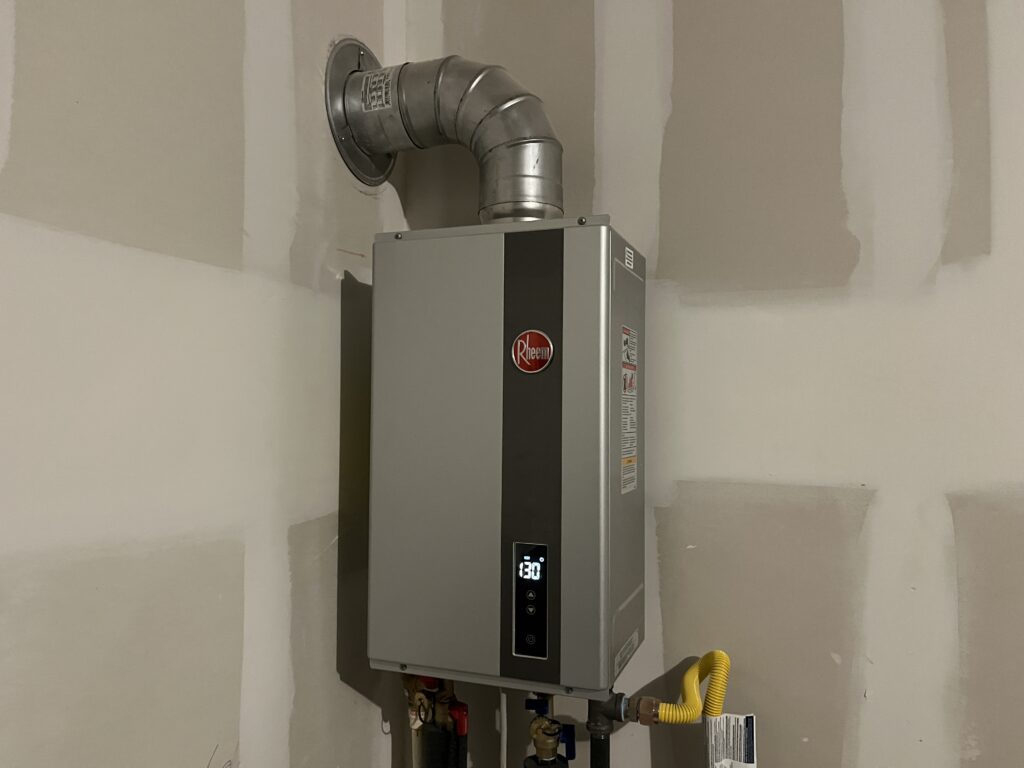
Can Filters Fix the Water Quality Damage From Galvanized Pipes
Filtration helps your water quality, but it cannot repair a corroding pipe. Placement is the part people misunderstand. A filter installed where water enters the house treats everything coming from the street, which does nothing about rust forming in the pipe downstream of it. If galvanized piping runs through your whole house, corrosion is happening after that filter, not before it. Point of use filters at the kitchen sink or on the refrigerator line do catch material shed by the household pipe. Look for units certified to NSF/ANSI 53 for lead reduction, since general taste and odor filters do not remove lead. Cartridges in a house with rusty lines clog faster than the label predicts. Plan on changing them more often than the manufacturer suggests.
Different problems call for different equipment. Sediment filters trap rust flakes and protect fixtures, valves, and appliances from abrasive grit. Carbon filters improve taste and odor while reducing chlorine. Reverse osmosis systems handle dissolved metals including lead, and they are commonly installed under a kitchen sink for drinking and cooking water. Water softeners address hardness and do nothing at all about lead. Choosing the right system starts with your lab results, not with a display at a hardware store. Good filtration is a real upgrade for any home, especially one served by aging municipal infrastructure. Want cleaner water at every tap? Click here for our water filtration systems.
Treat filtration as protection, not as a substitute for repair. Filters do not restore water pressure, since the restriction sits inside the pipe itself. They do not stop pinhole leaks, and they will not prevent a threaded joint from letting go at two in the morning. They also cannot reach the water in your shower, your bathtub, or your washing machine unless the system covers the entire supply. Families who drink filtered water still bathe and cook in whatever the pipes deliver. There is real value in a filter while you plan and budget for a repipe. There is also real risk in treating that filter as the finish line. The pipe keeps getting worse on its own schedule, regardless of what you install.
Repiping Is the Permanent Fix for Galvanized Pipes and Water Quality
Replacing galvanized pipe is the only permanent fix for the water quality problems it creates. Two materials handle nearly every residential repipe today: copper and PEX. Copper is rigid, long lasting, and tolerant of high temperatures, with decades of proven performance in this climate. PEX is flexible tubing that runs through walls and joists with far fewer connections, which reduces both labor and potential leak points. Fewer joints matter a great deal, because joints are where most plumbing systems eventually fail. PEX also resists the scale buildup that plagued steel piping, and it costs less to install in most homes. Many projects use a combination, with copper near the water heater and PEX for the branch lines. A licensed plumber picks the material based on your layout, your water chemistry, and local code.
A full repipe is less disruptive than most homeowners expect. Crews open small access points in drywall rather than tearing out entire walls. Most homes in the Pittsburgh area take two to four days, depending on the number of bathrooms and the layout of the basement. Water gets shut off during working hours and restored each evening in most cases. Drywall patching and paint follow the plumbing work, and that finishing stage often takes longer than the pipe replacement itself. Permits and inspections apply in nearly every municipality around here, and a licensed contractor handles both for you. Any dissimilar metal connection gets a proper dielectric fitting so the new work does not repeat old mistakes. Ready to get the galvanized pipe out of your house? Click here for our repiping service.
Partial replacement makes sense in some situations and not in others. Swapping one bad section on an otherwise sound system is normal maintenance. Swapping one section of a system that is 70 years old only moves the next failure a few feet down the line. Water still passes through corroded pipe before reaching your fixtures, so water quality barely improves. Pressure improves only for the single branch that was replaced. When a plumber cuts open a sample and finds heavy tuberculation throughout, full replacement is almost always the better investment. Homes with a galvanized service line should address that buried section at the same time. Doing everything in one project costs less than doing it in pieces across several years.
Why You Need a Licensed Plumber for Galvanized Pipes and Water Quality
Galvanized pipe is not a repair you should hand to a handyman or tackle over a weekend. Cutting into a corroded system releases debris that can lodge in every fixture in the house. Water quality work also touches health regulations, permits, and code requirements that vary by municipality. A licensed and insured plumber protects your home, your water, and your investment. Overbrook Plumbing has replaced galvanized piping in homes across the South Hills, the North Hills, and the eastern suburbs. We know what these houses look like behind the walls, because we work inside them every week.
What a Galvanized Pipes and Water Quality Inspection Includes
Our inspection starts with identification, because guessing about pipe material wastes everyone’s time. We trace the supply from the meter through the basement and up into the walls, noting the material at every transition. Magnets, visual checks, and fitting types tell us what we are dealing with in a matter of minutes. We photograph problem areas so you can see them without crawling under the house yourself. Pressure and flow readings get recorded at multiple fixtures for comparison. You end up with a written picture of the system instead of a verbal summary you have to remember.
Next comes the condition assessment. We look for rust weeping at threaded joints, flaking on the exterior, and staining on the floor beneath horizontal runs. Where it makes sense, we open a union or cut a short sample so you can see the inside of your own pipe. We check for dissimilar metal connections that were installed without a dielectric fitting. The water heater gets inspected too, since sediment in the tank confirms what the supply lines have been shedding. Each finding gets tied to a specific recommendation rather than a vague warning.
Finally, we lay out your options along with honest pricing. Some homes need a full repipe immediately, and some can be staged over a couple of seasons. Others need water testing before anyone decides anything at all. We tell you which category you fall into and exactly why. Our pricing is straightforward and given before work begins, with nothing added at the end. You set the timeline, and we work around your schedule.
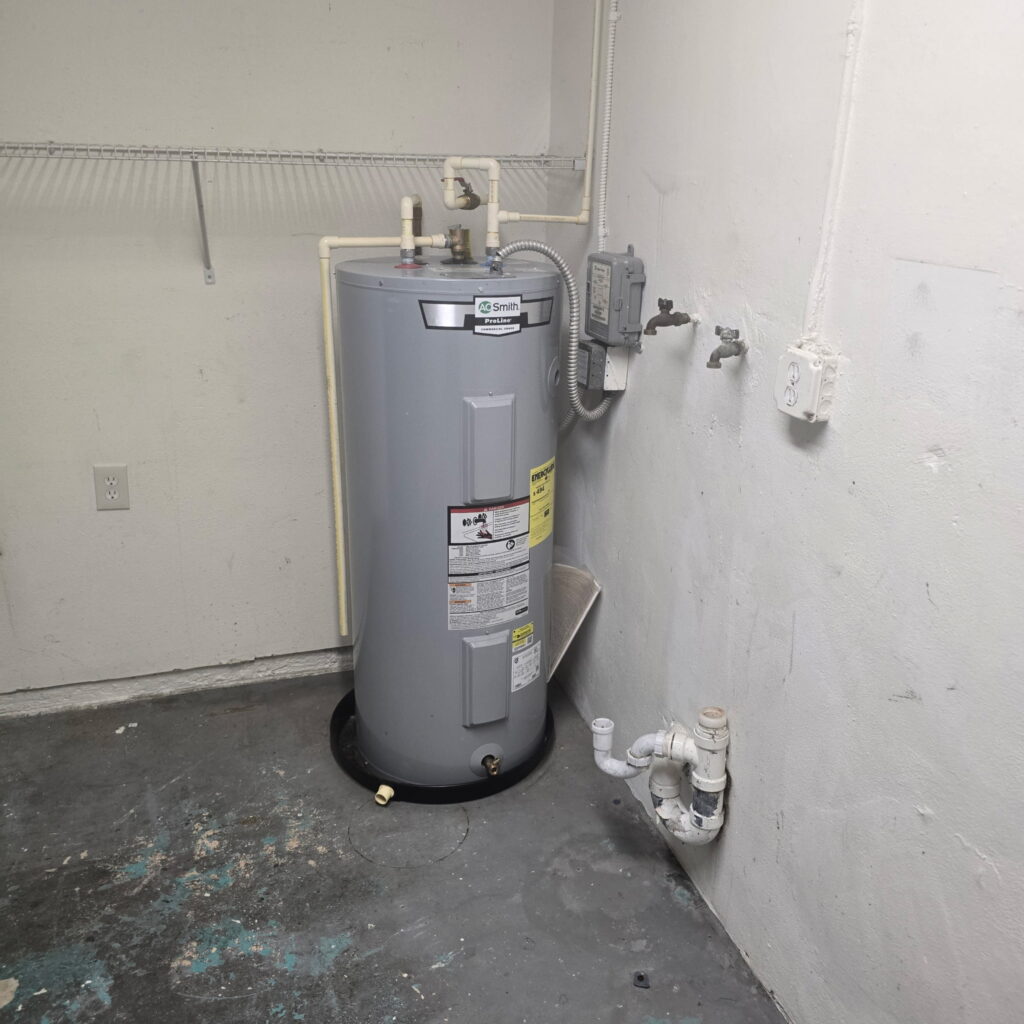
Summer Is the Best Time to Replace Galvanized Pipes and Restore Water Quality
Summer is the practical season for pipe replacement in western Pennsylvania. The ground is workable, which matters a great deal if the service line from the street needs to come out. Excavation in July is a routine job; the same work in January means frozen ground and higher costs. Interior work goes faster too, since open windows and dry air speed up drywall patching and painting. Going without water for part of a warm day is far less disruptive than doing it during a cold snap. Scheduling is also more flexible now than during the winter emergency season.
Summer also puts the heaviest strain on old supply lines. Irrigation, hose use, extra laundry, and full houses of visiting family all pull water at the same time. Restricted galvanized pipe cannot keep up with that demand, and pressure complaints spike every July and August. Warmer incoming water accelerates corrosion slightly, and water left standing in a house during vacation looks noticeably worse when you return. Hydrant flushing and street work stir sediment through the neighborhood mains, which then lodges in your already rough piping. Problems you could ignore in February turn into daily annoyances now.
Planning ahead beats reacting to a failure. A galvanized joint that lets go while you are away on vacation can flood a finished basement in hours. Insurance claims, flooring replacement, and mold remediation cost far more than a planned repipe ever will. Booking the work this summer means you are not competing with frozen pipe calls for a spot on the schedule. It also means you head into fall with clean water and full pressure at every fixture. We handle emergencies 24/7, and we would much rather help you avoid one.
Why Choose Overbrook Plumbing for Galvanized Pipes and Water Quality
Overbrook Plumbing is a local, Pittsburgh based team, licensed and insured in Pennsylvania. We are not a franchise reading from a script written in another state. Our plumbers know the housing stock here, from century old brick homes in Mount Lebanon to postwar builds in Penn Hills. We know which neighborhoods still have galvanized service lines and what usually sits behind the plaster. That experience means faster diagnosis and far fewer surprises during a project. It also means straight answers about what needs replacing and what does not.
Honest and straightforward pricing is a rule here, not a slogan. You get a clear number before we start, and that number is what you pay. We offer military and senior discounts as a thank you to the people who earned them. Tankless water heater installations carry a one year labor warranty. We answer emergency calls 24 hours a day, 7 days a week, because water damage does not wait for business hours. Every visit is aimed at a 5 star result, and we treat your home the way we would treat our own.
Old galvanized pipe will not improve on its own, and your water quality will keep declining as the corrosion spreads. Testing your water and inspecting your supply lines costs very little compared to living with rust, low pressure, and the risk of lead. Our team will walk your system, explain what we find in plain language, and give you a real plan with a real price. Overbrook Plumbing is located at 209 Richfield St, Pittsburgh, PA 15234, and we serve homes throughout the region. Call us at (412) 736-4654 to schedule a water quality inspection or a repiping estimate. You can also reach us at info@calloverbrook.com, and we will get you on the schedule quickly.