
The Yearly Water Heater Check That Prevents a Flooded Basement
Your water heater works quietly in the basement until the day it fails without warning. A tank that gives out can release forty or more gallons of water onto your floor in a matter of minutes. That water soaks into flooring, climbs up drywall, ruins stored belongings, and pools around the foundation. A yearly water heater check catches the small problems long before they grow into a flooded basement. Sediment, corrosion, and worn valves build up slowly, and they almost always leave clear warning signs behind. Summer is a smart season to book this service because emergency call volume drops and scheduling stays flexible. A trained plumber can test every working part of the unit in well under an hour. The cost of one inspection stays far below the cost of tearing out wet carpet and replacing soaked subfloor.
What a Yearly Water Heater Check Includes to Prevent a Flooded Basement
A yearly water heater check looks at every part that can fail and let water escape onto your floor. The tank, the relief valve, the supply connections, and the drain valve all get inspected in a clear order. Each component guards against a different style of leak, so none of them can be skipped. During the visit a plumber flushes out sediment, tests the pressure relief valve, and scans the shell for rust. The goal stays simple; find the weak points before they break under pressure. Most standard tanks last somewhere around ten to twelve years when they get steady care. An annual review keeps your unit running near the top end of that range and keeps your basement dry.
How a Yearly Water Heater Check Inspects the Tank for Flooding Risks
The tank itself is the part most likely to flood a basement, so a thorough yearly water heater check starts there. Over months and years, minerals from your water settle to the bottom of the tank and form a thick crust of sediment. That sediment traps heat against the steel, which slowly weakens the metal and creates the conditions for a rust hole. A plumber drains and flushes the tank during the inspection to clear that buildup out completely. While the water runs, the technician watches the color and clarity to judge how much corrosion is already underway. The bottom seam and the lower third of the tank get the closest look because that is where leaks usually begin. Catching a thinning wall early gives you time to plan a replacement instead of mopping up a sudden flood.
A clean tank also runs more efficiently, which lowers your monthly energy bill and reduces strain on the heating element or burner. When sediment is removed, the unit heats water faster and cycles less often throughout the day. That reduced workload adds real years to the life of the system and keeps recovery times short. The plumber checks the drain valve at the same time, since a stuck or dripping drain valve is a common slow leak source. A valve that will not close fully can let a steady trickle escape onto the floor for weeks. Replacing a cheap drain valve during the check costs very little compared to the damage a missed drip can cause. This is one of the quiet wins that an annual visit delivers every single year.
The inspection also covers the area directly under and around the tank for early signs of trouble. A drain pan should sit beneath the unit to catch minor drips and route them to a floor drain. If your tank has no pan, the plumber will recommend one, because a pan turns a small leak into a managed event instead of a basement disaster. Moisture, mineral stains, or rust streaks on the pan tell a clear story about what is happening above. The technician feels the connections and the base for any dampness that should not be there. Even a faint ring of corrosion at the bottom edge is treated as a serious finding. Need a full inspection done right? Click here for our water heater inspection service.
The Yearly Water Heater Check for the Pressure Relief Valve
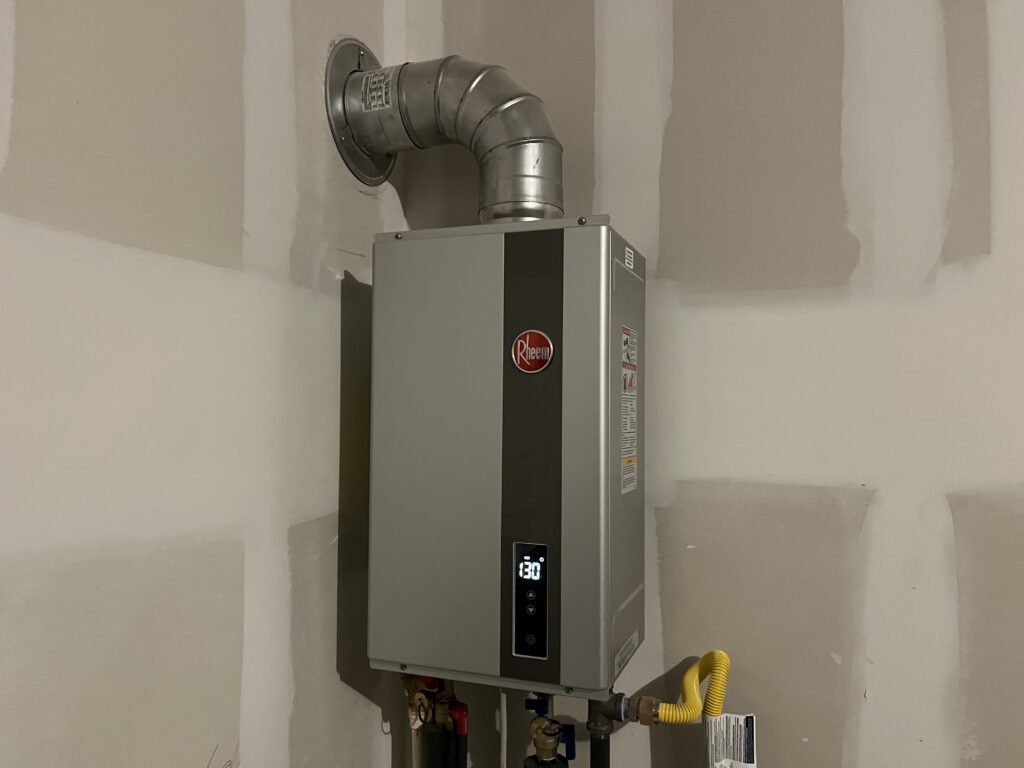
The temperature and pressure relief valve is one of the most important safety parts on the entire unit, so the yearly water heater check tests it carefully. This valve, often called the T and P valve, opens automatically when pressure or temperature inside the tank climbs too high. Without a working relief valve, a tank under extreme pressure becomes a genuine hazard rather than just a leak risk. During the inspection the plumber lifts the test lever to confirm the valve opens and reseats the way it should. A small amount of water should discharge through the attached pipe and then stop cleanly. A valve that stays silent or refuses to reseat gets replaced on the spot. This simple test takes only a moment and protects your home from a dangerous buildup.
Mineral deposits and rust can clog a relief valve over time and lock it in a closed position. A clogged valve gives no warning until the pressure inside the tank has nowhere to go. The plumber inspects the discharge pipe to make sure it runs downward and ends near the floor as code requires. A discharge pipe that points up or ends too high can spray hot water and creates a scald risk. The technician also confirms the pipe is the correct size and made from an approved material. These details matter because a relief valve only works as well as the pipe it drains into. A correct setup sends any released water straight to the floor drain instead of across the room.
Pressure problems often start somewhere other than the tank, and the yearly water heater check accounts for that too. High water pressure from the street can push your whole plumbing system past its safe limit. A plumber may attach a gauge to a nearby fixture to read the incoming pressure during the visit. Readings above eighty pounds per square inch usually call for a pressure reducing valve to protect the heater and your pipes. An expansion tank may also be added or checked, since it gives heated water somewhere to expand safely. When these pieces work together, the relief valve rarely needs to open at all. That balance keeps the tank calm and your basement floor dry.
How a Yearly Water Heater Check Tests the Anode Rod and Connections
The anode rod is the unsung hero of the tank, and the yearly water heater check always includes a close look at it. This long metal rod hangs inside the tank and corrodes on purpose so the steel walls do not. Plumbers often call it the sacrificial rod because it gives itself up to protect the tank. Over time the rod wears down to a thin wire or dissolves away entirely. Once it is gone, the corrosion that used to attack the rod begins to attack the tank wall instead. A plumber removes and examines the rod to judge how much life is left in it. Swapping a worn rod for a fresh one is a low cost step that can add years of safe service.
The connections at the top of the tank deserve the same careful attention during the inspection. Hot and cold water lines, along with any unions or flex connectors, can loosen and weep over time. A plumber checks each fitting by hand and by sight for moisture, mineral crust, or green corrosion. Dielectric unions, which separate copper from steel, sometimes fail and leak where two different metals meet. The technician tightens, reseals, or replaces any connection that shows early trouble. Small drips at these joints often go unnoticed for months because they sit high and out of sight. Catching them during the annual visit stops a slow leak from rotting the tank top and feeding rust into the system.
For gas units, the connection check extends to the gas supply and the venting, which keeps the home safe in more ways than one. A plumber inspects the gas line and shutoff for leaks using approved methods and confirms the venting carries exhaust fully outside. Loose or corroded gas connections are addressed right away because the stakes are simply too high. The burner, pilot, and thermocouple all get a look so the unit fires correctly and heats on demand. Electric units get an element and wiring check instead, with the power safely off during the work. Every connection on the system is treated as a potential leak point and tested accordingly. A complete check leaves nothing to chance and gives you a clear picture of the unit’s health.
Warning Signs Your Water Heater Could Flood Your Basement
Most water heater floods do not happen out of nowhere; the unit gives off signals for weeks or months first. Learning these warning signs helps you call for service before a slow problem becomes a fast disaster. Some signs you can see, such as rust stains or puddles, while others you can hear or smell. A homeowner who knows what to watch for can stop a flood with a single phone call. The yearly water heater check exists to spot these signs professionally, but you live with the unit every day. Pairing your own awareness with an annual inspection gives your basement the strongest possible protection. Below are the clearest signals that your water heater needs attention soon.
Water Heater Leaks That Signal a Flooded Basement Risk
Any standing water near your water heater is a warning sign that should never be ignored. Even a small puddle the size of a dinner plate points to a connection, valve, or tank that has started to fail. Run your hand along the base and the connections to feel for dampness that keeps coming back after you dry it. A leak at a fitting can often be tightened, but a leak from the tank body usually means the unit is near the end of its life. Water that appears and then vanishes may be condensation, yet it still deserves a professional look. The longer a true leak runs, the more it damages the floor and the foundation around it. Treat every recurring drip as a reason to schedule service quickly.
Leaks higher up on the unit tell their own story and carry their own risks. Moisture around the inlet and outlet pipes points to loose or corroded connections that worsen under daily temperature swings. A wet relief valve discharge pipe may mean the valve is releasing pressure repeatedly, which signals a deeper problem inside the tank. Damp insulation or a musty smell near the heater often hides a slow leak you cannot easily see. Mineral crust building up on fittings is dried leak residue and marks the exact spot water has been escaping. None of these leaks fix themselves, and most grow worse with time. A quick response turns a manageable repair into a routine task instead of an emergency.
A hidden leak can also reveal itself through your water bill and your basement environment rather than an obvious puddle. A sudden jump in water usage with no change in habits sometimes traces back to a heater that is quietly losing water. Spots of mold, peeling paint, or warped wood near the unit point to moisture that has been present for a while. Cool, damp air in one corner of the basement can mean water is collecting where you do not normally look. These clues matter because tank leaks often start small and out of sight before they break open. Catching the early stage protects both your home and your wallet. Suspect a hidden leak somewhere in your plumbing? Click here for our leak detection service.
Rust and Sediment Warning Signs of a Water Heater Flood
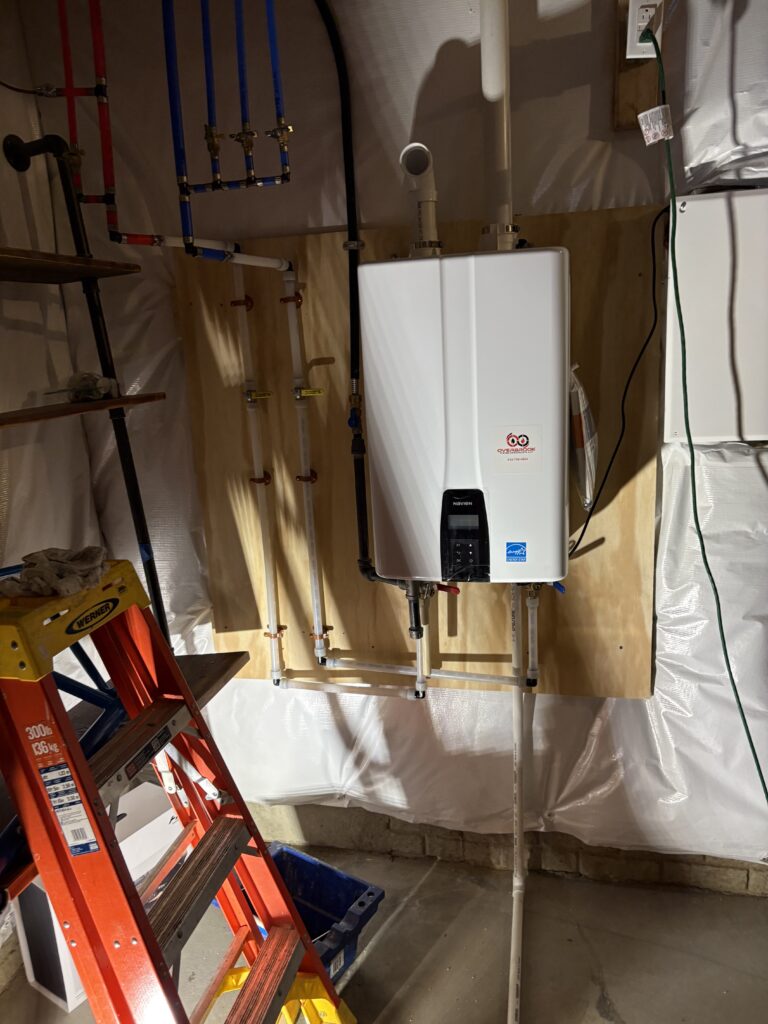
Rusty or discolored hot water is one of the clearest warning signs that a water heater flood could be coming. When you turn on a hot tap and the water runs brown, orange, or cloudy, corrosion inside the tank is the likely cause. That rust forms as the inner lining breaks down and the bare steel begins to oxidize. A tank that is rusting from the inside is steadily losing the strength that holds back forty gallons of water. The discoloration often shows up only on the hot side, which helps separate a heater problem from a pipe problem. Catching rusty water early gives you a window to act before the tank wall actually fails. Ignoring it usually means a leak is only a matter of time.
Sediment buildup creates its own set of warning signs that point toward eventual failure. As minerals collect at the bottom of the tank, they bake into a hard layer that traps heat against the steel. This overheating warps and weakens the metal exactly where leaks tend to start. You may notice your hot water runs out faster than it used to, since sediment takes up space that water should fill. Higher energy bills can also signal heavy buildup, because the burner or element works harder to push heat through the crust. A unit that struggles to keep up is a unit under stress, and stressed tanks fail sooner. Regular flushing during an annual check clears this buildup before it does lasting harm.
Visible rust on the outside of the tank is a serious warning that should prompt a call right away. Surface rust at the seams, the bottom edge, or around the fittings means corrosion has already taken hold. A flaky, pitted, or stained shell points to a tank that may not have much service life left. Rust around the relief valve or the drain valve suggests those parts have been weeping for some time. Once the exterior shows heavy corrosion, the interior is usually worse than it looks. At this stage a planned replacement beats waiting for the tank to split open on its own. Acting on visible rust keeps you in control of the timeline instead of the leak.
Strange Noises and Age Warning Signs of a Water Heater Flood
Popping, rumbling, or banging sounds from your water heater are common warning signs of a flood waiting to happen. These noises come from sediment trapped at the bottom of the tank as water bubbles up through the hardened layer. The sound is the boiling water fighting past the crust, and it means the tank is overheating in spots. That uneven heating stresses the steel and speeds up the path toward a leak. A unit that has grown noticeably louder over the past year is telling you it needs attention. A simple flush often quiets the tank and removes the buildup driving the racket. Persistent noise after a flush points to a deeper issue that a plumber should evaluate.
Ticking, knocking, or hissing sounds carry their own messages about the health of the system. Ticking often comes from pressure changes in the connections and can hint at fluctuating water pressure. Hissing may mean water is hitting hot metal where a small leak has already started, which is a clear call to action. Knocking in the pipes around the heater can signal pressure problems that strain the whole unit. None of these sounds belong to a healthy, quiet water heater running as it should. Paying attention to new or worsening noises gives you an early read on trouble. The annual inspection then confirms the cause and clears it before a leak forms.
Age is the quiet warning sign that ties all the others together. Most standard tank water heaters last about ten to twelve years, and risk climbs sharply after that. If you do not know how old your unit is, the serial number on the rating plate usually reveals the manufacture date. A heater past the ten year mark deserves closer watching and a yearly inspection without fail. Older units are far more likely to spring a sudden leak even when they seem to work fine. Planning a replacement before failure lets you choose the timing instead of reacting to a flooded floor. When age combines with rust, noise, or leaks, the message is hard to miss.
Why You Need a Professional Yearly Water Heater Check
A professional yearly water heater check brings trained eyes and proper tools to a job that protects your entire basement. A licensed plumber spots the early signs that a homeowner can easily overlook from across a dim utility room. The inspection covers safety, efficiency, and leak prevention all in one focused visit. Booking this service once a year is one of the simplest ways to avoid a costly flood. Overbrook Plumbing handles these checks with care and honest, straightforward pricing every time. The sections below explain exactly why the professional version of this check is worth your while.
Why a Professional Yearly Water Heater Check Saves Money
A professional yearly water heater check saves money by catching small problems while they are still cheap to fix. A worn anode rod, a leaky drain valve, or a clogged relief valve costs very little to repair during a routine visit. Left alone, any one of those issues can lead to a failed tank and a flooded basement that costs thousands to clean up. Water damage repair often means new flooring, fresh drywall, and remediation work that drags on for weeks. The math strongly favors prevention over recovery in nearly every case. One affordable inspection each year removes that gamble from your life.
The check also saves money by keeping your unit running efficiently month after month. A flushed tank free of sediment heats water faster and burns less energy to do it. That efficiency shows up as lower utility bills across the whole year, not just for one season. A well kept heater also lasts closer to its maximum lifespan, which delays the larger cost of replacement. Stretching a heater from ten years to twelve is real money kept in your pocket. Small annual care adds up to large savings over the life of the unit.
There is also value in avoiding the premium cost of emergency service. A tank that fails at midnight on a holiday weekend calls for an urgent visit at urgent prices. Planned maintenance during normal summer hours keeps the work calm, scheduled, and affordable. You also avoid the scramble of replacing belongings and arranging restoration after a flood. Predictable upkeep beats unpredictable disaster on every front. Need a repair after your inspection? Click here for our water heater repair service.
Why a Professional Yearly Water Heater Check Protects Your Home
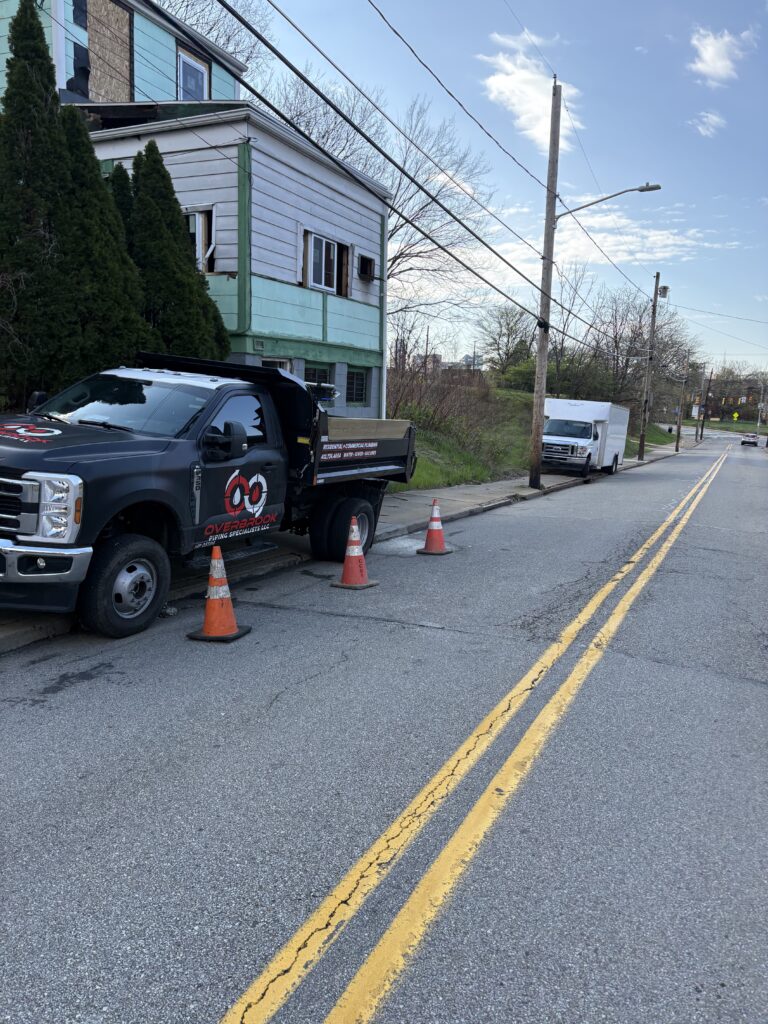
A professional yearly water heater check protects your home by stopping floods before they ever begin. The basement holds furnaces, electrical panels, and stored belongings that all suffer badly when water spreads. A single tank failure can soak everything in the room and creep toward the foundation. By finding weak valves and thinning tank walls early, the inspection removes the source of that risk. Your plumber addresses each issue while it is still minor and manageable. The result is a basement that stays dry through every season.
The check also protects your home from the hidden damage that water leaves behind. Standing water and constant dampness feed mold growth that harms both the structure and the air you breathe. Moisture warps wood, rusts metal, and weakens drywall long after the original leak is gone. A professional catches the early dampness that signals these slow forms of decay. Stopping the moisture at the source keeps these secondary problems from ever taking root. Your home stays sound, dry, and healthy as a result.
Safety is the deepest layer of protection that a professional check provides. A faulty relief valve or a gas connection problem is more than a leak risk; it is a hazard to the household. A licensed plumber tests these safety parts and corrects any issue right away. Proper venting, sound gas lines, and a working relief valve keep your family safe along with your floor. This combination of leak prevention and safety care is exactly why the professional version matters. Your home gains protection that no quick glance from a homeowner can match.
Why Choose Overbrook Plumbing for Your Yearly Water Heater Check
Overbrook Plumbing brings honest, straightforward pricing and a local touch to every yearly water heater check. As a Pittsburgh based plumbing team, we know the homes, the water, and the seasons of this region firsthand. Our plumbers are licensed and insured in Pennsylvania, so you can trust the work and the people doing it. We treat your home with the same care we would give our own, and our ethos drives every visit. Five star service is the standard we hold ourselves to on each and every call. That commitment is why so many neighbors call us back year after year.
We make scheduling easy and back our work with real value for the people we serve. Our team offers 24/7 emergency plumbing service for the moments when something goes wrong without warning. We also provide military and senior discounts as a simple way to say thank you for your service and your trust. Tankless water heater installations come with a one year labor warranty for added peace of mind. We explain what we find in plain language so you always understand the condition of your unit. No surprises, no pressure, just clear advice and solid work.
Booking your yearly water heater check with Overbrook Plumbing is the easiest way to keep your basement dry all year. Our plumbers arrive on time, work cleanly, and leave your unit running at its safe best. We are happy to inspect, flush, repair, or replace your heater depending on what the visit reveals. Reach out today to schedule your inspection before a small problem turns into a flooded floor. Call Overbrook Plumbing at (412) 736-4654 and let our local team protect your home this season. We look forward to keeping your water heater safe, efficient, and leak free for years to come.