
Signs Your Gas Line Needs Attention Before Heating Season Starts
Heating season puts heavy demand on every gas appliance in your home, and that demand has a way of finding any weak point in your system. Your furnace, your water heater, and any other gas fueled equipment all draw fuel through the same supply lines. When that supply system has a flaw, the added workload of fall and winter can expose it fast. A small issue that stayed quiet all summer often becomes a real safety concern once the cold weather arrives and your equipment runs for hours each day. Gas leaks, failing connections, and corroded pipe can lead to fires, explosions, and dangerous indoor air. The good news is that most gas line problems give off clear warning signs well before they turn serious. Learning to spot those signs early gives you time to act before the first hard freeze hits the Pittsburgh area. This guide walks through the most important warnings so you can protect your family and your home with confidence.
Common Signs Your Gas Line Needs Attention Before Heating Season
A gas line rarely fails without warning, and the clues usually show up in the weeks before peak heating use begins. Some of these signs reach your nose, some reach your ears, and some show up clearly on your monthly utility bill. Each one points to the same conclusion, which is that your gas supply system deserves a closer look from a professional. The earlier you notice these signals, the smaller and less expensive the repair tends to be. Ignoring them allows a minor flaw to grow into a genuine hazard that threatens everyone inside the house. Heating season only increases the pressure on your system, so the timing of these warnings matters a great deal. The sections below break down the warnings that matter most as the cold months approach.
The Rotten Egg Smell That Warns Your Gas Line Needs Attention
Natural gas has no scent of its own, so utilities add a chemical called mercaptan to make any leak easy to detect. That additive produces a strong odor that most people compare to rotten eggs or sulfur. When you catch that smell near a stove, furnace, water heater, or along a wall, you should treat it as a serious warning every time. The odor means gas is escaping somewhere it should not, and the source could be a loose fitting or a cracked section of pipe. Heating season raises the pressure and flow through your lines, which can push gas out of a weak joint much faster. A faint, occasional smell can turn into a steady leak once your furnace starts running for long stretches each day. Never assume the odor will simply fade on its own, because a growing leak only becomes more dangerous as time passes.
The way you respond to a gas smell matters just as much as noticing it in the first place. Leave the building right away and bring everyone, including pets, outside into the fresh air. Do not flip light switches, unplug devices, or use any phone while you are still inside the home. A single spark from an electrical contact can ignite gas that has collected in a room. Once you are a safe distance away, call your gas utility and a licensed plumber from outside. Leave doors open as you exit if you can do so quickly, since that helps the gas disperse. Avoid lighting candles, matches, or anything with a flame until a professional confirms the area is clear and safe.
A rotten egg smell almost always calls for a professional inspection of the entire gas system. A trained plumber uses calibrated detectors that find leaks far smaller than your nose can catch on its own. They trace the odor back to its source, then test each fitting and section of pipe under pressure. Small leaks at threaded joints are common, and they often respond to resealing or a replacement fitting. Larger cracks in older pipe usually require a section of line to be cut out and replaced entirely. Catching the problem before heating season means the repair happens on your schedule rather than during an emergency. Do you suspect a problem with your gas line? Click here for our gas line repair service.
Hissing Sounds and Other Audible Signs Your Gas Line Needs Attention
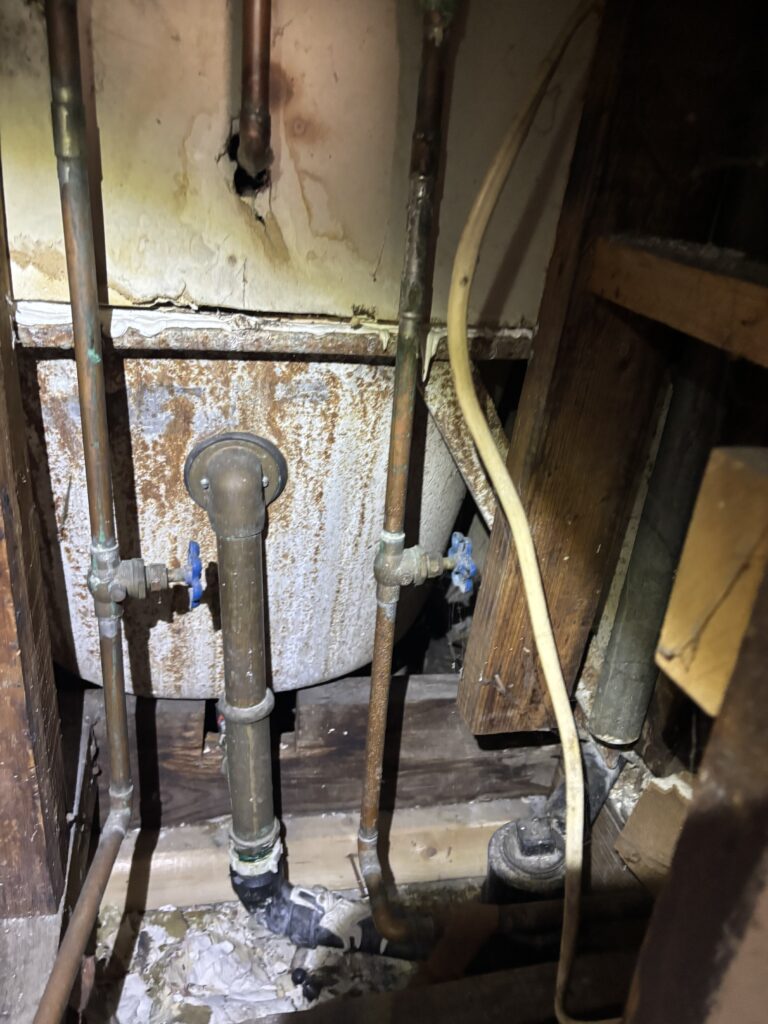
Sound offers another reliable clue that your gas line needs attention before the heating season ramps up. A hissing or whistling noise near a gas line, valve, or appliance often points to gas escaping under pressure. The sound can be quite faint, so you may only notice it when the house is quiet at night. A louder hiss usually means a larger opening and a faster leak that calls for immediate action. You might also hear a soft bubbling sound if a buried line leaks near standing water or wet soil. Clicking or rattling at the gas valve can signal a worn part that struggles to seal the way it should. Any new and unexplained noise around your gas equipment deserves a careful look from a qualified professional.
These sounds tend to grow more noticeable as heating season increases the load on your system. A furnace that cycles on and off all winter sends repeated surges of gas through every connection in its path. That constant movement can loosen a fitting that held perfectly tight during the lighter demands of summer. A valve that clicks today may fail to close fully tomorrow, which lets gas slip past even when the appliance sits idle. Older homes around Pittsburgh often have aging shutoff valves that wear down after decades of steady use. When a valve no longer seals, you lose the ability to stop gas flow quickly during an emergency. Replacing a tired valve before winter keeps your safety controls ready for the moment you need them most.
Pinpointing the exact source of a gas sound takes the right tools and real trade experience. A licensed plumber listens, inspects, and then confirms the findings with electronic leak detection equipment. They check shutoff valves, appliance connectors, and the flexible lines that link your furnace to the main supply. Each component gets tested to confirm it holds pressure and seals completely under normal operation. Worn connectors and valves are straightforward to swap out when a professional catches them early. A full inspection also rules out hidden leaks that make no sound at all. Want to catch a hidden gas leak early? Click here for our leak detection service.
Rising Gas Bills as a Sign Your Gas Line Needs Attention
Your utility bill can reveal a gas line problem long before you ever smell or hear anything unusual. A leak lets fuel escape continuously, and you pay for every bit of gas that drifts out of the pipe. A bill that climbs without any change in your habits is a red flag worth investigating right away. Compare your recent usage to the same month in past years so you can spot an unusual jump. A small, steady leak can add up to a noticeable cost over the course of a single billing cycle. Heating season naturally raises gas use, so a leak can easily hide inside an already higher bill. Reviewing your statements each month helps you catch a slow leak that might otherwise go completely unnoticed.
Not every bill increase comes from a leak, so it helps to rule out the simple explanations first. Colder weather, more time spent at home, and an aging furnace all raise gas consumption on their own. A furnace that runs longer to reach the same temperature burns more fuel than it did when it was newer. Even so, a sudden spike that does not match the weather points toward a possible supply issue. If your appliances seem to run normally yet the bill keeps rising, a hidden leak becomes much more likely. Tracking the trend over a few weeks gives you a clearer picture than a single high statement ever could. When the numbers stay high without a clear reason, a professional inspection is the safe next step to take.
A plumber can quickly determine if a leak is the reason behind your rising bills. Pressure testing isolates the gas system and reveals any drop that points to escaping fuel. The test measures how well the lines hold a fixed pressure over a set period of time. A line that loses pressure has a leak somewhere, even when no smell reaches the surface above. Once the source is located, the leak gets repaired and your system returns to holding pressure as it should. Fixing the leak protects your wallet and removes a real safety risk at the very same time. Catching this before winter means you head into heating season with a sealed and efficient gas system.
How Heating Season Demand Puts Stress on an Aging Gas Line
Heating season does more than reveal existing problems, because it actively stresses the parts of your gas system that are already vulnerable. Months of heavy furnace and water heater use push fuel through your lines at higher volumes and higher pressures. That added demand finds the weak points, and age combined with corrosion makes those weak points far more likely to fail. Understanding what makes a gas line vulnerable helps you know exactly when to call for an inspection. The following sections cover the main factors that turn a quiet line into one that needs prompt attention. Each one becomes more important as the temperature drops and your equipment is forced to work much harder.
Corrosion and Age That Make a Gas Line Need Attention
Age is one of the biggest reasons a gas line starts to need attention as heating season nears. Many older Pittsburgh homes still rely on black steel pipe that has carried gas for several decades. Steel reacts with moisture over time, and that reaction produces rust that slowly eats into the pipe wall. As the corrosion spreads, the metal grows thinner and weaker at the affected spots. A thin section may hold under light summer demand yet crack under the heavier flow of winter. Buried lines face an added risk because soil moisture speeds up the corrosion process considerably. Once rust opens a path, gas can seep out slowly and remain hidden for a very long time.
Corrosion often shows up first at the threaded connections where pipe sections join together. These joints concentrate stress and trap moisture, which makes them prime spots for rust and leaks to develop. You might see flaking, discoloration, or a chalky buildup on the metal around a fitting. Any visible rust on an exposed gas line is a clear signal to schedule an inspection without delay. The damage you can see usually means even more corrosion is at work inside the pipe itself. Outdoor lines and meter connections take the worst of the weather and tend to corrode first. A plumber checks these high risk areas closely during a thorough seasonal inspection. Catching surface rust early often lets you replace one section instead of an entire run of pipe.
When corrosion has gone too far, repiping the affected section restores both safety and reliability to your home. A licensed plumber removes the damaged pipe and installs new material rated specifically for gas service. Modern installations sometimes use corrugated stainless steel tubing, which resists corrosion far better than old steel. The right choice depends on your home, your existing system, and the local code requirements that apply. A professional sizes the new line correctly so your appliances always receive the fuel volume they need. Proper installation also includes secure connections, correct support, and a full pressure test before the work is finished. Need new gas piping for your home? Click here for our gas line installation service.
Furnace and Water Heater Connections That Make a Gas Line Need Attention
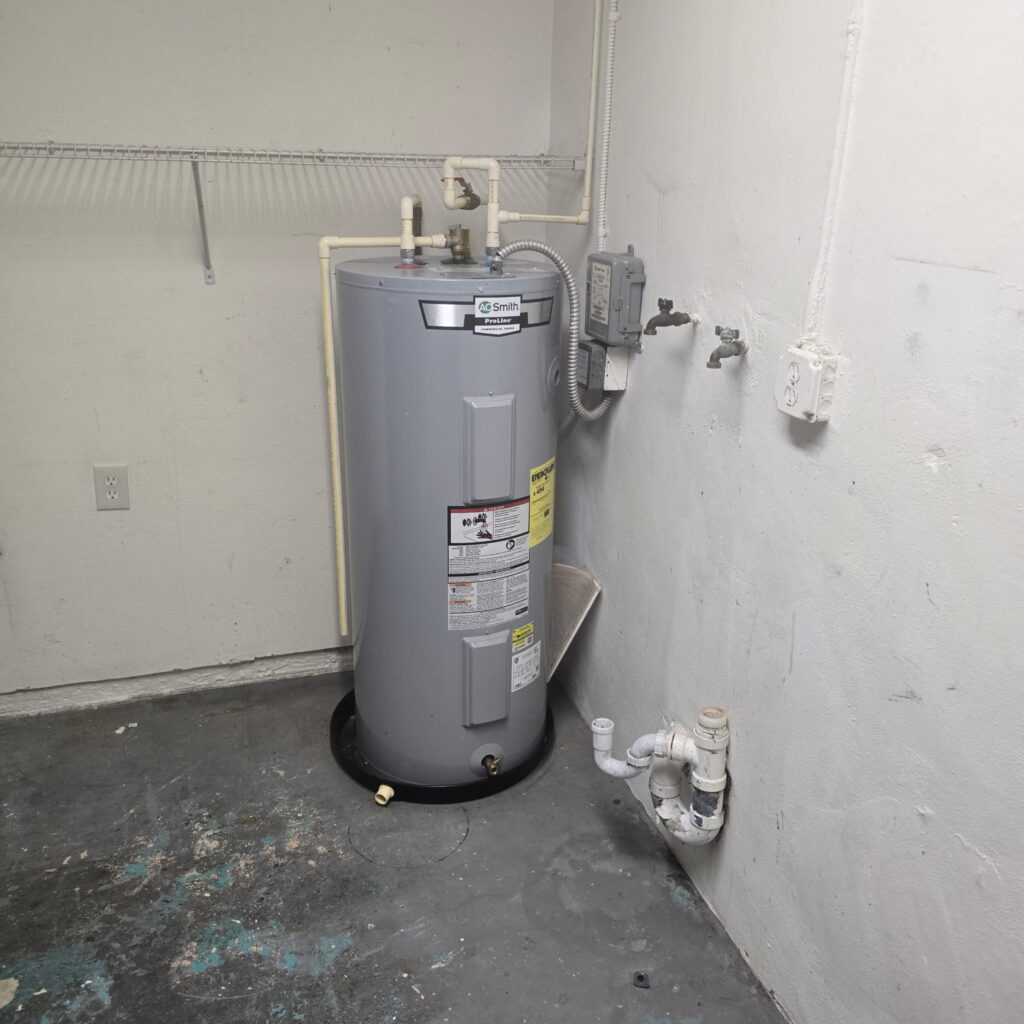
Your furnace and gas water heater carry the heaviest load of any appliances during heating season. Both connect to the gas supply through fittings and flexible connectors that can wear down over time. Repeated heating and cooling cycles cause the metal parts to expand and contract again and again. That constant movement slowly loosens connections that once sealed perfectly when the system was new. A connector near a furnace also sits in a warm, vibrating environment that adds steadily to the strain. Over the years, these stresses can open a small gap where gas escapes during normal operation. Because these appliances run so much in winter, a weak connection here poses a serious and lasting risk.
The flexible connectors that link an appliance to the gas line deserve special attention before winter arrives. Older connectors made from certain metals can corrode or crack as they age and harden. A cracked connector may pass gas only while the appliance fires, which makes the leak very easy to miss. Manufacturers have improved these parts over the years, so older homes often benefit from a simple upgrade. A plumber inspects each connector for kinks, corrosion, and clear signs of fatigue. Replacing a questionable connector is a quick job that removes a real and avoidable hazard. This simple step gives you confidence that your furnace and water heater run safely throughout the entire season.
Gas water heaters add another layer to consider, since they run year round and work even harder in winter. Cold incoming water during the colder months forces the burner to run longer to heat each tank. That extra runtime increases the demand placed on the gas connection serving the unit. A pilot light that struggles to stay lit can point to a gas supply or valve issue that needs review. Yellow or flickering burner flames instead of steady blue ones can signal a combustion problem worth checking. A professional examines the gas valve, the connector, and the flame quality during a complete inspection. Keeping these parts in good shape protects both your hot water supply and the air inside your home.
Physical Symptoms That Signal a Gas Line Needs Attention
Your body can sometimes detect a gas problem that you might otherwise overlook completely. A natural gas leak in an enclosed space can displace oxygen and leave you feeling unwell. Common symptoms include headaches, dizziness, fatigue, and nausea that ease once you step outside. If several people in the home feel sick at the same time, a gas issue moves up the list of likely causes. Symptoms that fade outdoors and return indoors are a strong clue worth taking seriously. Pets that act sluggish or sick can also serve as an early warning sign of trouble. Never ignore these patterns, because a worsening leak grows more dangerous with each passing hour.
Gas appliances that burn fuel can also produce carbon monoxide when the combustion process goes wrong. Carbon monoxide is colorless and odorless, so it gives no warning the way a gas leak does with its smell. A furnace or water heater that burns fuel incompletely can release this dangerous gas into your living space. Heating season raises the risk further, since your furnace runs far more often during the cold months. Symptoms of carbon monoxide exposure mirror those of a gas leak, including headache, dizziness, and confusion. Working carbon monoxide detectors on every level of the home provide an essential layer of protection. Test your detectors and replace their batteries before heating season begins each and every year.
Any physical symptoms tied to your home call for fast action and a professional inspection. Leave the house and get fresh air if you feel sick and suspect a gas or combustion problem. Call for help from outside, and seek medical attention right away if symptoms are severe. A licensed plumber inspects your gas appliances, connections, and venting to find the underlying cause. They confirm that each appliance burns cleanly and vents its exhaust safely to the outdoors. Correcting a venting or combustion fault protects everyone who breathes the air inside your home. Scheduling this check before winter keeps your family safe through the busiest heating months of the year.
Why You Need a Professional Gas Line Inspection Before Heating Season
A professional gas line inspection is the surest way to enter heating season with real confidence. A trained plumber finds problems that hide from your eyes, your ears, and your nose. The inspection covers your full system, from the meter all the way to every appliance connection. Catching issues now means you avoid emergency repairs during the coldest days of the year. It also gives you peace of mind that your family stays safe as the furnace runs all winter long. Booking that visit early is one of the smartest steps a homeowner can take before the cold sets in.
What a Professional Gas Line Inspection Includes Before Heating Season
A complete gas line inspection starts at the meter and follows the supply through your entire home. The plumber examines visible pipe for rust, damage, and signs of wear at every joint and fitting. They check each shutoff valve to confirm it opens and closes exactly the way it should. Flexible connectors at the furnace, water heater, stove, and dryer all receive a close and careful look. This thorough walk through builds a clear picture of your gas system’s overall condition.
Pressure testing forms the core of a reliable gas line inspection. The plumber isolates the system and measures how well it holds a set pressure over a period of time. A pressure drop signals a leak, even one far too small to smell or hear. Electronic leak detectors then help pinpoint the exact spot where the gas escapes. This combination of methods finds problems with an accuracy that simple guesswork cannot match. The result is a confident diagnosis rather than a hopeful estimate of what might be wrong.
The inspection also covers the gas appliances that depend on your supply system every day. The plumber checks burner flames, pilot lights, and venting on your furnace and your water heater. Clean blue flames and proper venting confirm that each unit burns its fuel safely. Any fault gets documented along with a clear recommendation for the right fix. You finish the visit with a full understanding of your system and a plan to address any issue.
When to Schedule a Gas Line Inspection Before Heating Season
The best time to schedule a gas line inspection is in late summer or early fall. This timing puts the check well ahead of the heavy demand that heating season always brings. You give yourself plenty of room to handle any needed repair before you truly rely on the furnace. Booking early also means you avoid the rush when cold weather arrives and service calls pile up. A small window of planning now saves you a great deal of stress later in the season.
Certain situations call for an inspection no matter what the calendar happens to say. Any smell of gas, hissing sound, or unexplained bill increase warrants a prompt call to a professional. Homes with older steel pipe benefit from regular checks because corrosion builds quietly over many years. A recent appliance installation is another good reason to confirm that every connection holds tight. Trust your senses, and never wait when something about your gas system feels off. Acting early on a warning sign almost always leads to a smaller and simpler repair.
Pairing a gas line inspection with other seasonal plumbing checks makes a lot of practical sense. A single visit can cover your gas system, your water heater, and other key components at once. This approach saves time and helps you prepare your whole home for winter in one appointment. It also builds a relationship with a plumber who comes to know your system well. Regular attention keeps small problems from turning into costly emergencies down the road.
Why Choose Overbrook Plumbing for Your Gas Line Inspection
Overbrook Plumbing brings local knowledge and trade expertise to every gas line inspection we perform. We are a Pittsburgh based team that understands the homes and gas systems common across our area. Our plumbers are licensed and insured in Pennsylvania, so you can trust every bit of the work we do. We offer honest and straightforward pricing, which means no surprises once the job is complete. Our goal on every visit is the same, which is to deliver a five star service you can rely on.
We back our work with care that reaches well beyond a single repair. Our team is available 24/7 for emergency plumbing, so help is always ready when you need it most. We thank those who serve and those who came before us with military and senior discounts. Tankless water heater installations come with a one year labor warranty for your added confidence. Every customer receives the same steady dedication to quality, safety, and lasting results.
Heating season arrives faster than most homeowners expect, so the time to act on your gas line is right now. A quick inspection today can prevent a dangerous and costly problem this coming winter. Our friendly team is ready to check your system and answer every question you have along the way. We will inspect your gas line, repair any issue we find, and confirm your system is ready for the cold. Call Overbrook Plumbing today at (412) 736-4654 to schedule your gas line inspection before heating season begins.