
Why Every Drain in Your House Slows Down at the Same Time
A slow drain in one sink rarely causes alarm, and most homeowners simply reach for a plunger. When every drain in your house slows down at the same time, the situation points to something larger than a single clogged fixture. Each sink, tub, shower, and toilet in your home connects to a branch pipe, and those branch pipes all feed into one main sewer line that carries waste away from the property. A blockage inside that shared main line affects everything upstream of it, which is why the problem shows up across the whole house at once. Homeowners in Pittsburgh often notice the slowdown first in the lowest fixtures, such as a basement floor drain or a ground floor toilet. Gravity sends wastewater toward the lowest point, so the backup appears there before it climbs to the upper floors. Understanding the cause helps you respond quickly and avoid a messy sewage backup that disrupts your entire household. This guide explains the common reasons every drain slows at once, the warning signs to watch for, and the right time to call a licensed plumber for a lasting fix.
What Causes Every Drain in Your House to Slow Down at the Same Time
When every drain in your house slows down at the same time, the cause almost always sits in the main sewer line rather than the individual fixtures. Branch lines from each room join the larger main line, and that single pipe carries the combined flow to the municipal sewer or septic system. A partial blockage in the main line restricts the flow for the entire home, so toilets drain slowly, sinks empty at a crawl, and tubs hold standing water for far too long. Several issues create this kind of widespread slowdown, and most of them build gradually over months or years rather than overnight. Tree root intrusion, hardened grease, mineral scale, and collapsed pipe sections rank among the most frequent culprits. Older Pittsburgh homes with clay tile or cast iron sewer pipes face a higher risk because those materials crack and corrode over time. Identifying the source early protects your home from a full backup and the costly cleanup that follows.
The Main Sewer Line Connection Behind Every Slow Drain in Your House
Your home relies on a single main sewer line to remove all wastewater, and that design explains why every drain in your house slows down at the same time. Each fixture connects to a smaller branch pipe, and those branches tie into the main line below the house or out in the yard. When water and waste leave a sink or toilet, gravity pulls the flow downhill toward this central pipe. A clog inside a branch line affects only one fixture, so a single slow sink usually signals a localized problem that stays contained to that spot. A clog inside the main line blocks the path for everything connected to it. That is the key difference between one stubborn drain and a true whole house slowdown. Once you understand this layout, the simultaneous symptoms start to make sense. The shared pipe becomes the prime suspect the moment multiple fixtures act up together.
The location of the blockage within the main sewer line shapes which fixtures struggle first. Wastewater follows gravity, so the lowest drains in the home feel the effect before anything upstairs does. A basement floor drain, a laundry standpipe, or a first floor toilet often shows trouble at the earliest stage. As the blockage grows, the backup climbs higher and reaches second floor fixtures one by one. You might flush a toilet and watch water rise in a nearby tub, which signals that the main line cannot keep up with the volume. This cross fixture reaction is a classic sign of a shared line problem rather than an isolated clog. Tracking which drains slow first gives a plumber useful clues about the blockage location. The pattern tells a story, and that story helps narrow the search before any work begins.
Diagnosing a main sewer line issue takes more than guesswork, and that is where professional tools make the difference. A licensed plumber runs a waterproof camera through a cleanout to inspect the inside of the pipe in real time. The video feed reveals roots, grease deposits, cracks, sagging sections, and foreign objects without any digging in the yard. This inspection pinpoints both the exact spot and the exact cause, which saves time and money on the repair. Guessing at the problem often leads to repeated service calls and partial fixes that never solve the real issue. A clear diagnosis lets the plumber choose the right repair the very first time. If you notice every drain in your house slowing down at once, a camera inspection is the smartest first step you can take.
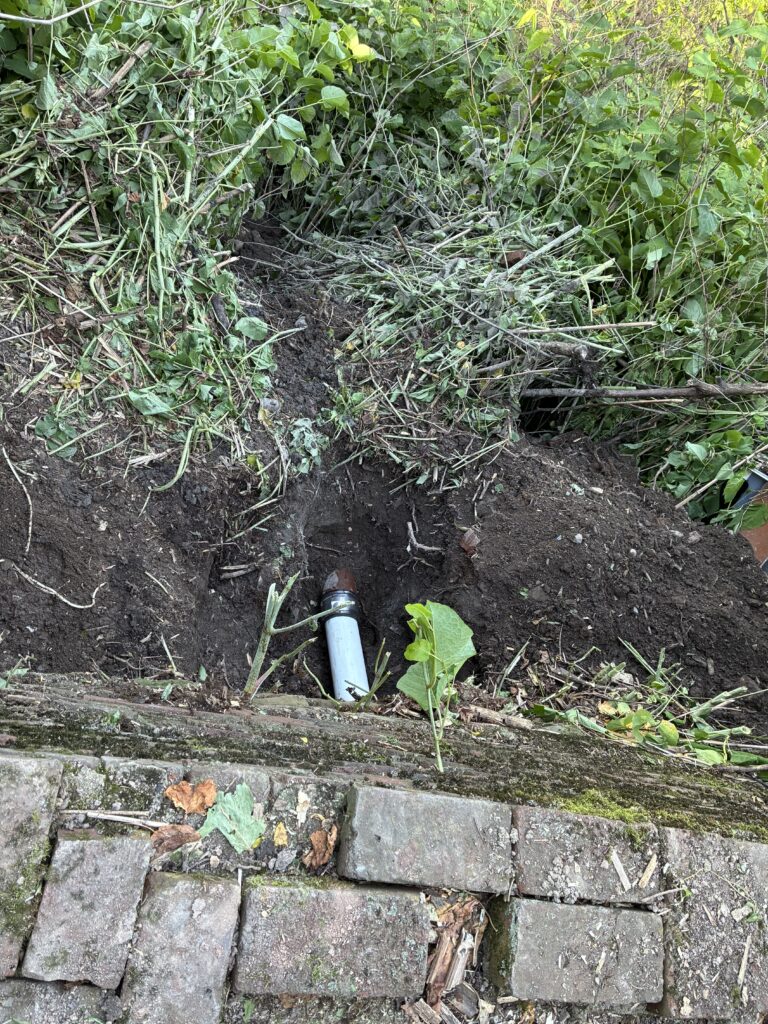
How Tree Roots Make Every Drain in Your House Slow Down at the Same Time
Tree roots rank among the leading reasons every drain in your house slows down at the same time, especially in established neighborhoods filled with mature trees. Roots constantly search for moisture and nutrients, and a sewer line offers a steady supply of both. Tiny roots find their way into pipe joints, cracks, or loose connections, often through gaps that seem far too small to matter. Once inside, the roots feed on the nutrients in the wastewater and grow at a surprising pace. Over time the root mass spreads across the pipe and forms a net that traps toilet paper, grease, and debris. This growing tangle narrows the pipe and slows the flow for the entire house. Clay tile pipes and older cast iron lines are especially vulnerable because their joints loosen and shift with age. A single thirsty tree can disrupt drainage across an entire property.
The damage from tree roots develops slowly, which is exactly why so many homeowners miss the early signs. At first the roots cause only a slight slowdown that is easy to ignore or blame on a single fixture. As the season progresses and the roots expand, the slowdown grows more noticeable and affects more drains at once. Heavy rain and warm weather encourage root growth, so these problems often worsen during spring and summer. You might hear gurgling from a toilet or notice water draining slower than usual after a storm rolls through. Left untreated, the root mass can completely block the line and even crack or break the pipe wall. A broken pipe then invites soil and groundwater, which makes the blockage worse and harder to clear. Catching root intrusion early keeps a minor nuisance from turning into a major excavation.
Removing tree roots from a sewer line requires the right equipment and the right technique. A mechanical auger with a cutting head can shear away roots and restore flow as a short term solution. For a more thorough cleaning, plumbers turn to hydro jetting, which blasts the pipe walls with high pressure water to clear roots and scrub away buildup. After the line is clear, a camera inspection confirms the condition of the pipe and checks for cracks at the entry points. In severe cases the damaged section needs repair or replacement to stop the roots from returning year after year. Routine maintenance keeps roots from rebuilding inside the line and buys you peace of mind. Homeowners with large trees near the sewer line benefit from periodic cleaning before a clog ever forms. Addressing the root cause prevents the same slowdown from coming back each season.
Grease and Buildup That Make Every Drain in Your House Slow Down
Grease and accumulated buildup are common reasons every drain in your house slows down at the same time, particularly in homes where cooking oils go down the kitchen sink. Hot grease pours easily, but it cools and hardens the moment it reaches the cooler pipe walls. Layer after layer of this hardened fat narrows the pipe and creates a sticky surface that traps food scraps and debris. Over the course of months, the buildup spreads through the branch lines and reaches the main sewer line. As the passage shrinks, water moves slower and slower throughout the entire plumbing system. Soap scum, hair, and mineral deposits add to the problem and speed up the clogging process. The result is a sluggish flow that drags down every fixture in the house. Pouring grease into the trash instead of the drain is the simplest way to prevent this buildup from ever starting.
Older pipes face an added challenge from mineral scale and corrosion. Cast iron and galvanized steel pipes develop rough interior surfaces as they age, and those rough spots grab grease and debris with ease. Hard water, common in many Pennsylvania homes, leaves mineral deposits that build up steadily on the pipe walls. The combination of scale and grease can dramatically reduce the inside diameter of the pipe over time. A pipe that once carried a full flow may shrink to a fraction of its original capacity. This gradual narrowing explains why the slowdown appears across the whole house rather than at one fixture. Regular cleaning removes the buildup before it reaches a critical point and triggers a full backup. Homeowners with old metal pipes should pay close attention to any changes in drainage speed.
Clearing grease and buildup calls for a thorough cleaning rather than a quick chemical pour. Store bought drain cleaners often fail to dissolve hardened grease and can damage older pipes with their harsh chemicals. Professional plumbers use mechanical augering and hydro jetting to scrub the pipe walls clean from end to end. Hydro jetting is especially effective because the high pressure water removes grease, scale, and debris in a single pass. After the cleaning, the pipe regains its full diameter and water flows freely again throughout the home. A camera inspection then confirms the line is clear and identifies any spots that still need attention. Scheduling routine cleaning keeps grease from rebuilding and protects your plumbing for the long run. Dealing with slow drains across your home? Click here for our drain cleaning service.
Warning Signs That Every Drain in Your House Is Slowing Down at Once
Recognizing the warning signs early helps you act before every drain in your house slows down into a full backup. The symptoms often appear gradually, so paying attention to small changes makes a real difference in the outcome. Gurgling sounds, slow draining fixtures, water backing up in unexpected places, and foul odors all point to a shared main line problem. These signs rarely show up alone, and they tend to grow worse the longer they go ignored. A single slow sink might be a minor clog, but several symptoms together strongly suggest the main sewer line needs attention. The lowest fixtures in your home usually display the first and most obvious signs. Learning to read these clues lets you call a plumber before raw sewage ever enters your living space.
Gurgling Sounds When Every Drain in Your House Slows Down
Gurgling sounds are one of the earliest clues that every drain in your house is starting to slow down. The noise happens when air gets trapped in the pipes and forces its way past standing water or a partial blockage. In a healthy plumbing system, air vents through the roof and water flows smoothly without any odd noises. When the main sewer line narrows, the trapped air bubbles back through the nearest fixture and creates that distinctive gurgle. You might hear it from a toilet after running the washing machine or from a sink drain when the tub empties. The sound signals that the system is struggling to move air and water through a restricted passage. Many homeowners brush off the noise at first, but it usually marks the beginning of a larger problem.
The pattern of gurgling reveals helpful information about the blockage and its location. If a toilet gurgles every time you run water elsewhere in the house, the main line is the likely source rather than a single fixture. Cross connections like this point to a shared pipe issue, since the air has nowhere to escape except through another drain. The spot where the gurgling occurs also hints at where the blockage sits within the system. A basement fixture that gurgles often indicates the clog is low in the main line. As the blockage worsens, the gurgling grows louder and far more frequent. Tracking when and where the noise occurs gives a plumber a clearer picture during diagnosis. Paying attention to these small details can speed up the repair considerably.
Ignoring gurgling sounds allows the underlying problem to grow unchecked. What starts as an occasional bubble can progress to a complete blockage and a sewage backup. The trapped air also pulls water out of the traps that seal each fixture, which can let sewer gas into the home. That escaping gas brings the foul odor that many homeowners notice next. Addressing the gurgling early keeps the situation from ever reaching that point. A plumber can inspect the line, clear the blockage, and restore proper airflow before the problem escalates into an emergency. Treating gurgling as an early warning rather than a harmless quirk protects your home and your comfort. The sooner you respond, the simpler and less costly the fix tends to be.
Water Backing Up When Every Drain in Your House Slows Down at the Same Time
Water backing up in your home is a serious sign that every drain in your house is slowing down at the same time. When the main sewer line cannot move waste away fast enough, the water has nowhere to go and reverses direction. It pushes back up through the lowest openings in the system, usually a basement floor drain or a ground floor shower. You might run the dishwasher and find water rising in a nearby sink, or flush a toilet and watch the tub slowly fill. This backup happens because every fixture shares the same blocked path to the sewer. The water seeks the easiest exit, and the lowest drain offers the path of least resistance. A backup is a clear signal that the main line needs immediate professional attention.
The severity of the backup reflects how far the blockage has progressed. Early on you might see only a slow rise of water that drains away after a few minutes. As the clog grows, the water rises higher and takes much longer to clear. In advanced cases, raw sewage can back up into tubs, showers, and floor drains, which creates a real health hazard and a costly mess. The contaminated water carries bacteria and requires careful cleanup and sanitizing afterward. This stage often forces a family to stop using water entirely until the line is cleared. Acting at the very first sign of backup prevents the situation from reaching this damaging point. The cost of early service is far lower than the cost of a full sewage cleanup.
Responding to a backup quickly limits the damage to your home. Stop using water as soon as you notice waste reversing into a fixture, since every additional gallon only adds to the problem. Avoid the temptation to keep flushing or running water in hopes the clog clears on its own. A professional plumber can locate the blockage and clear the main line safely with the right equipment. After clearing the line, a camera inspection confirms the cause and checks for damage that could trigger another backup down the road. Quick action protects your flooring, walls, and belongings from contaminated water. When water starts backing up across your home, do not wait. Worried about repeat backups? Click here for our sewer line inspection service.
Sewer Odors When Every Drain in Your House Slows Down
A foul sewer odor inside the home often accompanies the slowdown when every drain in your house slows down at once. The smell comes from sewer gas, which normally stays trapped behind the water seals in each fixture and vents safely through the roof. A blockage in the main line disrupts this balance and pushes the gas back through the drains. As pressure builds behind the clog, the gas escapes into the home through sinks, tubs, and floor drains. The odor resembles rotten eggs or raw sewage and tends to grow stronger near the lowest fixtures. Many homeowners notice the smell in a basement or a ground floor bathroom first. A persistent sewer smell is a clear signal that the drainage system is not working the way it should.
Several factors connect the odor directly to a main line problem. When a blockage holds wastewater in the pipe, the standing waste releases gas that has no clear path out. Dry traps add to the issue, since a trap that loses its water seal lets gas flow freely into the room. Gurgling and slow drainage often siphon water from the traps and create these dry spots. The combination of a blocked line and dry traps produces a steady stream of unpleasant odor. The smell is more than a nuisance, since sewer gas contains methane and hydrogen sulfide. Long exposure to these gases can cause headaches and other health complaints over time. Treating the odor as a genuine health and safety concern is always the right approach.
Eliminating the odor requires fixing the root cause rather than masking the smell. Air fresheners and cleaning products only cover the problem for a short time while the blockage remains in place. A plumber locates the clog, clears the main line, and restores proper drainage and airflow. Refilling dry traps and checking the vent stack ensures the gas vents safely once again. A camera inspection confirms the line is clear and reveals any cracks or breaks that let gas escape. Once the system flows freely, the water seals reform and the odor disappears for good. Addressing a sewer smell promptly protects both the comfort and the safety of your household. Lingering odors deserve a professional inspection rather than a temporary cover up.
Why You Need a Professional Plumber When Every Drain in Your House Slows Down
When every drain in your house slows down at the same time, a professional plumber offers the fastest and safest path to a real solution. The problem usually sits deep in the main sewer line, far beyond the reach of a plunger or a store bought cleaner. Licensed plumbers carry the cameras, augers, and hydro jetting equipment needed to diagnose and clear the line properly. They also identify the underlying cause, such as tree roots or a damaged pipe, so the slowdown does not return next month. Attempting a do it yourself fix on a main line often wastes time and can push the blockage even deeper. Calling a trusted local plumber gives you a lasting repair and real peace of mind.
Professional Drain Cleaning When Every Drain in Your House Slows Down
Professional drain cleaning is the most reliable way to address the slowdown when every drain in your house slows down at once. A licensed plumber starts by locating the blockage in the main sewer line through a cleanout access point. Mechanical augering breaks apart clogs and cuts through the tree roots that have invaded the pipe. For tougher buildup, hydro jetting uses high pressure water to scrub the pipe walls clean from end to end. This thorough approach removes grease, scale, and debris that a simple snake would leave behind. The result is a fully cleared line that restores normal drainage throughout the home.
The benefits of professional drain cleaning reach well beyond the immediate fix. A proper cleaning restores the full diameter of the pipe, which means water flows freely again at every fixture. Removing the entire blockage rather than punching a small hole through it lowers the chance of a quick repeat clog. A clean line also reduces the odors and gurgling sounds that come with a partial blockage. Plumbers can spot early warning signs during the cleaning and recommend steps to prevent future problems. This proactive care saves real money over time by helping you avoid emergency calls.
Routine drain cleaning keeps the system healthy and prevents the slowdown from coming back. Homes with mature trees, older pipes, or a history of clogs benefit most from scheduled maintenance. A plumber can suggest a cleaning interval based on the condition of your line and your household habits. Staying ahead of buildup protects your home from messy backups and costly repairs. Regular service also extends the life of your sewer line by reducing strain on the pipe. Want the most thorough clean for your main line? Click here for our hydro jetting service to clear the line completely.
Sewer Line Inspection When Every Drain in Your House Slows Down at the Same Time
A sewer line inspection is a key step when every drain in your house slows down at the same time. A camera inspection lets the plumber see the inside of the main line without digging up your yard. The waterproof camera travels through the pipe and sends live video to a monitor above ground. This footage reveals the exact cause of the slowdown, from tree roots to grease to a cracked section of pipe. Knowing the precise problem and its location allows the plumber to choose the right repair. The inspection turns guesswork into a clear and confident plan of action.
The information from a sewer line inspection saves both time and money. Without a camera, a plumber might clear a clog without ever finding the underlying cause, which leads straight to repeat problems. The video reveals damaged pipe, sagging sections, and root intrusion points that need attention. It also shows the pipe material and overall condition, which helps you plan for future maintenance. A recorded inspection gives you a visual record of the line for insurance or for a real estate sale. This level of detail supports smart decisions about repair or replacement.
A sewer line inspection also helps homeowners stay ahead of major problems. Catching a small crack or a minor root intrusion early prevents a complete blockage later on. The inspection can confirm that a cleaning fully cleared the line as expected. It can also establish a baseline for the condition of an older sewer line. With this knowledge, you can budget for repairs and avoid the surprise of an emergency backup. A thorough inspection gives you real confidence that your plumbing is in good shape.
Why Choose Overbrook Plumbing When Every Drain in Your House Slows Down
Overbrook Plumbing is the trusted local choice when every drain in your house slows down at the same time. Our licensed and insured team serves Pittsburgh and the surrounding communities with honest and straightforward pricing. We carry the cameras, augers, and hydro jetting equipment needed to diagnose and clear any main line blockage. Our plumbers explain the problem in plain terms and recommend the right solution without pressure. We treat every home with respect and always leave the work area clean. You can count on us for reliable service backed by a five star reputation.
We understand that a slow draining home is stressful and often urgent. That is why we offer 24/7 emergency plumbing services for backups and other plumbing emergencies. Our team responds quickly to clear the line and restore your home to normal. We also offer military and senior discounts as a thank you for your service and support. As a local Pittsburgh based company, we know the older homes and pipe materials common across the area. This local knowledge helps us diagnose and fix problems faster.
Choosing Overbrook Plumbing means choosing a team dedicated to quality and customer care. We stand behind our work and aim for a lasting fix rather than a quick patch. From routine drain cleaning to full sewer line repair, we handle the job with skill and care. Our goal is to keep your plumbing flowing smoothly and protect your home from future problems. When every drain in your house slows down, do not wait for a full backup to call for help. Reach out to Overbrook Plumbing today at (412) 736-4654 for fast, friendly, and professional service.