
Why You Should Inspect the Sewer Line Before Buying an Older Home
Buying an older home often means inheriting plumbing that has been in the ground for decades. The sewer line is the one part of that system buyers almost never see, yet it carries every drop of waste away from the house. A sewer line that fails after closing can cost thousands of dollars to dig up and replace, and that bill lands on the new owner, not the seller. A standard home inspection rarely includes a camera run through the main sewer line, so most buyers walk into a purchase with no idea what condition that pipe is in. Older properties built before the 1980s frequently have clay, cast iron, or Orangeburg pipe that breaks down with age. Tree roots, ground shifting, and corrosion all work against these materials over time. A dedicated sewer line inspection gives you a clear video record of the pipe before you sign anything. That single step can save you from one of the most expensive surprises a homeowner can face.
What a Sewer Line Inspection Reveals Before You Buy an Older Home
A sewer line inspection shows you the true health of the buried pipe that connects the home to the municipal main or septic tank. The inspection uses a waterproof camera fed through a cleanout or drain access point, so a plumber can see the inside of the line in real time. This matters most with older homes because the original pipe material may already be near the end of its service life. Buyers gain hard evidence instead of guesswork, and that evidence can shape the price you offer. If you want a professional set of eyes on the line, you can schedule a sewer line inspection before your closing date. The findings often reveal problems that no surface walkthrough would catch. Knowing the condition of the line lets you plan repairs, negotiate, or walk away with confidence.
How a Sewer Line Inspection Finds Hidden Damage in an Older Home
A sewer line inspection works by sending a flexible camera cable into the main drain line and recording the entire run from the house to the connection point. The camera lights up the inside of the pipe, so the plumber can watch for cracks, sags, root masses, and breaks as the cable moves forward. In older homes, the pipe joints are often the first place damage shows up, because clay and cast iron sections were joined with materials that loosen and crumble over many years. The footage also captures the slope of the line, which reveals low spots where waste pools and slows down. Standing water inside the pipe is a warning sign that the line has settled or bellied, and that condition only gets worse with time. A trained plumber reads these visual clues and maps where the trouble sits along the length of the pipe. Buyers receive a recording they can review and keep, which becomes a useful document during price talks. This level of detail simply cannot be gathered any other way without digging up the yard.
Older sewer lines hide their damage well because the pipe sits several feet underground and shows no obvious symptoms inside the house. A home may drain fine during a short showing, then back up weeks after you move in once the system carries a full household load. The camera inspection exposes that gap between how a line looks at a glance and how it actually performs under daily use. Corrosion inside cast iron pipe narrows the channel and builds a rough surface that grabs grease and debris, and the camera captures that buildup clearly. Clay pipe tends to crack along its length and at the joints, which gives roots an open path inside. The inspection also finds foreign objects, collapsed sections, and prior repairs that were done poorly. Every one of these issues changes the value of the property in a real and measurable way. Seeing them on screen turns a vague worry into a specific, fixable list.
The inspection further reveals the exact pipe material your future home relies on, and that detail carries real weight. Orangeburg pipe, made from layers of wood pulp and tar, was common in homes built between the 1940s and early 1970s, and it deforms and collapses as it ages. Cast iron lasts longer but rusts from the inside out, eventually flaking apart and losing its smooth wall. Clay is durable against corrosion yet brittle and prone to root invasion at every joint. When the camera identifies which of these materials runs under the property, you learn how much remaining life the line likely has. That knowledge helps you budget for a future replacement instead of being blindsided by one. A plumber can also point out whether earlier owners spliced in modern PVC, which signals past trouble. All of this context arrives before you commit, which is exactly when it helps you most.
Common Sewer Line Problems an Inspection Uncovers in Older Homes
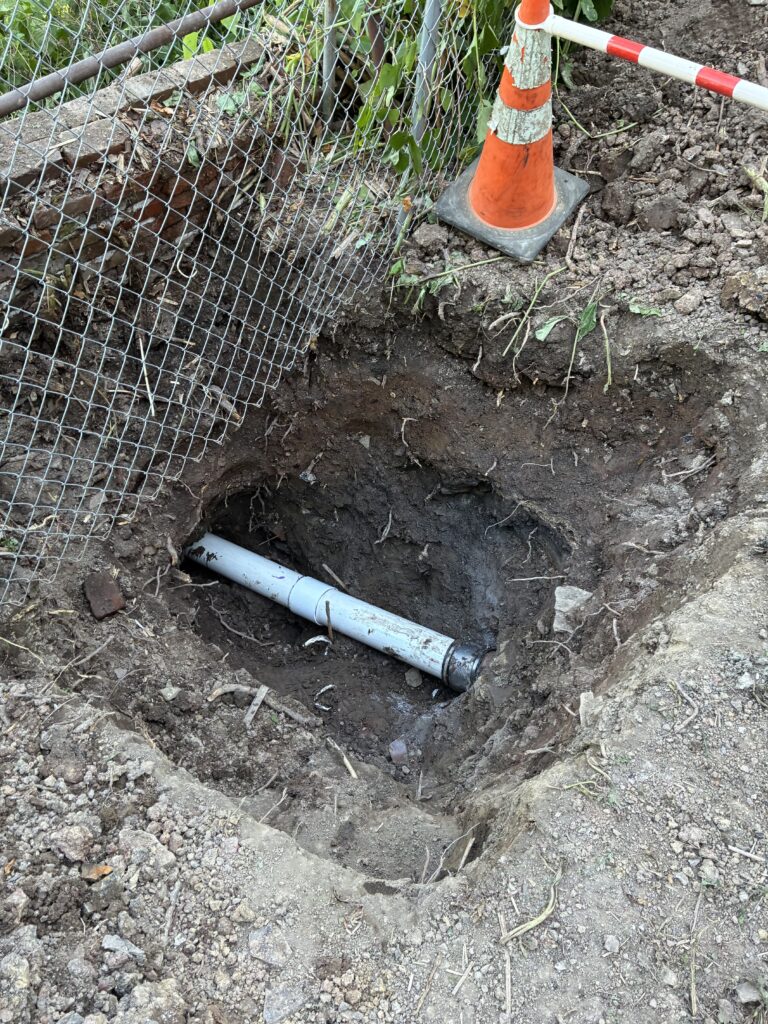
The most frequent problem a sewer line inspection finds in an older home is tree root intrusion. Roots seek out the moisture and nutrients inside a sewer line, and they slip through the smallest crack or loose joint to get there. Once inside, they grow into thick masses that trap toilet paper and waste, which leads to slow drains and full backups. Mature trees on or near older properties make this issue especially common, because their root systems have had decades to spread toward the pipe. The camera shows the size and location of the root mass, so a plumber knows where to clear it. In many cases a drain cleaning or a hydro jetting service can cut the roots back and restore flow. Left alone, root intrusion does not stop; it returns and grows worse each season. Catching it before you buy lets you weigh the cost of ongoing maintenance against the cost of a full repair.
Pipe bellies and sags are another common discovery during an inspection of an older home. A belly forms when a section of the line settles below the rest of the pipe, creating a low spot that holds water and solid waste. The ground beneath older homes shifts over decades from soil movement, nearby construction, and freeze and thaw cycles in the Pittsburgh climate. The camera reveals these dips because the plumber sees standing water collecting where the pipe should drain freely. A belly cannot be fixed with cleaning alone, since the problem is the shape of the line itself rather than a blockage. Repairing a belly usually means excavating that section and resetting it at the correct slope. Knowing a belly exists before purchase gives you the chance to ask the seller to address it or adjust your offer. Without an inspection, this defect stays hidden until repeated backups force an expensive emergency dig.
Cracks, breaks, and offset joints round out the list of problems an inspection regularly uncovers in older lines. A crack lets soil and groundwater seep into the pipe, which carries grit that builds up and clogs the line over time. An offset joint happens when two pipe sections shift out of alignment, leaving a lip that snags waste and roots. Complete breaks and collapses block the line entirely and can cause sewage to back up into the lowest drains in the house. The camera footage marks the depth and distance of each defect, which helps a plumber recommend the right fix. Some breaks can be repaired with a trenchless liner that seals the pipe from the inside, while severe collapses require digging and replacement. For homes with widespread damage, a full sewer line repair may be the most reliable long term solution. Understanding the scope of these defects ahead of closing keeps you in control of the decision.
Why an Older Home Sewer Line Inspection Protects Your Budget
A sewer line inspection protects your budget by turning an unknown risk into a known number you can plan around. Sewer line replacement is one of the priciest repairs a homeowner can face, and costs climb quickly when excavation, permits, and surface restoration are added in. When you learn about a failing line before closing, you can ask the seller to repair it, lower the price, or credit you at closing to cover the work. That negotiating leverage disappears the moment you sign, because the responsibility shifts entirely to you. Buyers who skip the inspection sometimes face four and five figure repair bills within the first year of ownership. The small upfront cost of the camera run is minor compared to the size of the loss it can prevent. This is risk management at its most practical, and it pays for itself many times over.
The inspection also helps you budget for the future even when the line is in fair shape today. An older pipe that still works may have only a handful of years left, and the footage gives a plumber the basis to estimate that timeline. With that estimate in hand, you can set aside money each year so a replacement does not arrive as a financial shock. You also gain a baseline recording that documents the line at the time of purchase. If problems appear later, you can compare new footage to the original and track how fast the pipe is changing. This kind of record keeping turns sewer maintenance into a planned expense rather than a crisis. Smart buyers treat the inspection as the first step in a long term care plan for the home.
Beyond the direct repair savings, a clean or documented sewer line adds real value when you eventually sell the property yourself. A buyer who sees a recent inspection report and any completed repairs gains confidence in the home. That confidence can speed up your future sale and support a stronger asking price. Skipping the inspection now does not make the problem go away; it only delays the moment you have to deal with it. A line that fails on your watch becomes your bill and your headache. Spending a modest amount today to understand the pipe gives you years of financial clarity. In every direction, the math favors the buyer who looks before leaping.
How the Sewer Line Inspection Process Works on an Older Home
The sewer line inspection process on an older home is straightforward, and it causes no damage to the property. A plumber locates a cleanout or suitable access point, then feeds a camera attached to a long flexible cable into the main line. As the cable advances, the plumber watches a monitor and records the condition of the pipe along its full length. The whole visit usually takes under an hour for a typical home, and it requires no digging during the inspection itself. Older homes sometimes lack an easy cleanout, so the plumber may need to access the line through a roof vent or a removed toilet. The end result is the same: a clear video record of the pipe and a professional read of its condition. Understanding the steps ahead of time makes scheduling the work simple and stress free.
The Camera Sewer Line Inspection Method for Older Homes
The camera sewer line inspection method relies on a specialized waterproof camera built to travel through the rough interior of an aging pipe. The camera head sits at the tip of a sturdy cable, and a bright light ring lets it film clearly even inside a dark, wet line. As the plumber pushes the cable forward, the live feed appears on a monitor where every crack, root, and bend shows up in detail. A built in transmitter on the camera head lets the plumber pinpoint the exact location and depth of any problem from above ground. This locating feature matters because it tells a repair crew precisely where to dig if excavation becomes necessary. The method works on every common older pipe material, from clay to cast iron to Orangeburg. Because the camera enters through an existing opening, the inspection leaves the yard and landscaping untouched.
Older homes present a few extra challenges that the camera method handles well. Heavy buildup or a large root mass can stop the cable before it reaches the municipal connection, and that blockage itself becomes useful information. When the camera cannot pass, the plumber knows a serious obstruction sits at that point and can recommend clearing it before a full assessment. Sharp bends and old fittings in vintage plumbing can also slow the cable, and an experienced plumber works it through carefully to avoid getting stuck. The footage captured up to the blockage still reveals the pipe condition along the way. In some cases the plumber will clear the line first with a hydro jetting service, then run the camera again for a complete picture. This layered approach makes sure the inspection delivers full value even on a difficult older line.
The recorded footage is the lasting product of the camera method, and it serves the buyer long after the visit ends. The plumber walks you through the video, points out areas of concern, and explains what each finding means in plain terms. You receive a copy of the recording, which you can share with your real estate agent, the seller, or another plumber for a second opinion. That documentation carries real weight in price negotiations because it is objective and hard to dispute. The footage also forms the baseline record mentioned earlier, useful for tracking the line over the years you own the home. Nothing about the camera method is guesswork; it is direct visual evidence of the pipe. That clarity is exactly what an older home buyer needs before making a major decision.
What the Sewer Line Inspection Checks Inside an Older Home
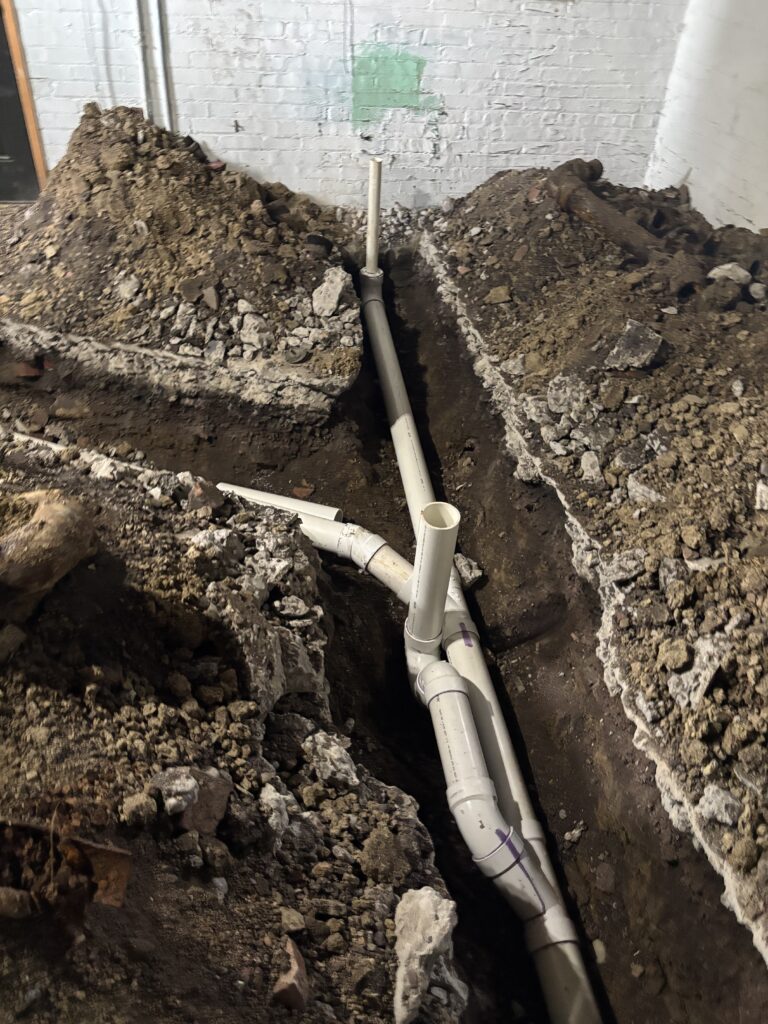
A sewer line inspection inside an older home checks the structural integrity of the pipe from end to end. The plumber looks for cracks, holes, and breaks that let groundwater in and waste out, since these openings invite roots and cause backups. The condition of every joint gets close attention, because the seams in clay and cast iron lines are the weakest points as a system ages. The camera also measures how clear the channel is, noting any scale, grease, or sludge that narrows the flow. Buildup of this kind explains slow drains and signals how much maintenance the line will demand. The plumber records the pipe diameter and material, which together indicate the remaining service life. Each of these checks builds a complete profile of the line you are about to inherit.
The inspection further checks the slope and alignment of the line, two factors that control how well waste moves through the system. A sewer line depends on gravity, so a steady downward grade is essential for proper drainage. The plumber watches for low spots where water pools, which point to bellies caused by ground settling under the older home. Offset joints, where two sections no longer line up, also show clearly on camera and reveal where the line has shifted. These alignment issues cannot be felt or seen from inside the house, yet they cause repeated clogs and backups. By documenting the slope along the full run, the plumber identifies sections that drain freely and sections that struggle. This part of the inspection often uncovers problems that explain a home’s drainage history.
Finally, the inspection checks the connection where the home’s line meets the municipal sewer or septic system. This junction is a common failure point in older homes, since it often involves a transition between old and newer pipe materials. The camera reveals whether roots have invaded the connection, a frequent issue near the property line where city trees grow. The plumber also confirms that the line actually reaches the main and is not blocked or collapsed near the tie in. For homes on septic systems, the inspection checks the line running to the tank for the same defects found elsewhere. Knowing the condition of this connection completes the picture, because a problem here affects the entire system. A thorough inspection leaves no section of the buried line unexamined.
When to Schedule a Sewer Line Inspection on an Older Home
The best time to schedule a sewer line inspection on an older home is during the inspection contingency period in your purchase contract. This window gives you the legal room to request repairs, negotiate the price, or cancel the deal based on what the inspection finds. Booking the sewer scope alongside your general home inspection keeps the timeline tight and avoids delays at closing. Many buyers do not realize the standard home inspection skips the sewer line, so adding this service separately is essential for an older property. Acting early in the contingency period leaves you plenty of time to gather repair estimates if problems turn up. The earlier you know the condition of the line, the stronger your position at the negotiating table. Treating the sewer inspection as a required step, not an optional add on, is the wise approach for any aging home.
Timing also matters because of the Pittsburgh climate and the way the seasons affect a buried line. Spring and summer often bring active root growth, so roots that intrude on a line are at their fullest and easiest to spot during these months. Freeze and thaw cycles in the colder months can shift soil and worsen existing bellies or cracks over time. Scheduling the inspection before you close means you capture the line’s condition as it stands today, regardless of season. If you are buying in winter, the inspection still works, since the camera operates inside the pipe where the temperature is stable. The key is to get the inspection done within your contract window rather than waiting until after you own the home. Once you hold the keys, every defect becomes your financial responsibility.
For homeowners who already own an older property, scheduling a sewer line inspection makes sense at the first sign of trouble. Slow drains throughout the house, gurgling toilets, sewage odors, and water backing up in low fixtures all point to a main line problem. An inspection every few years is also a smart maintenance habit for any home with original clay, cast iron, or Orangeburg pipe. Catching a small issue early often means a simple cleaning instead of a costly excavation later. Routine inspections give you the same baseline footage that buyers value, which helps you track the line over time. The principle stays the same before and after a purchase: looking inside the pipe early saves money and stress. A planned inspection always beats an emergency repair.
Why You Need a Professional Sewer Line Inspection Before Buying an Older Home
You need a professional sewer line inspection before buying an older home because the stakes are simply too high to leave to chance. The sewer line is buried, out of sight, and excluded from most standard home inspections, which makes it the single largest hidden risk in an older property. A licensed plumber brings the right camera equipment and the trained eye to read what the footage shows. The cost of the inspection is small, and the protection it offers against a five figure repair is enormous. Booking a professional sewer line inspection before closing is one of the smartest moves a buyer can make. The peace of mind alone is worth the visit, and the negotiating power it provides often returns the cost many times over.
Why a Sewer Line Inspection Saves Older Home Buyers Money
A professional sewer line inspection saves older home buyers money by exposing problems while the seller still shares responsibility for them. During the contingency period, a documented defect becomes a bargaining chip you can use to request repairs or a price reduction. Sellers frequently agree to cover sewer work rather than lose a sale, which shifts a major cost off your shoulders. Without the inspection, you forfeit that leverage entirely and absorb the full repair bill yourself. The savings can reach thousands of dollars on a single transaction. This is the clearest financial case for spending a little upfront to learn the truth about the pipe.
The inspection also saves money by helping you avoid a home with hidden defects that would drain your finances for years. Some older properties carry sewer problems so severe that the smart choice is to walk away and find a better home. The footage gives you the facts you need to make that call before you are legally committed. Buyers who skip this step sometimes discover the damage only after a backup floods the basement. At that point the repair is an emergency, and emergency work always costs more than planned work. A clear video record protects you from stepping into that exact situation.
Even when the line is sound, the inspection saves money through better long term planning. Knowing the pipe material and its remaining life lets you set aside funds for an eventual replacement instead of scrambling later. The baseline footage helps you track the line’s condition over the years you own the home. Small problems caught early through routine checks cost far less than a full collapse repaired under pressure. This forward looking approach turns sewer care into a manageable budget item. Money spent understanding the line today consistently outperforms money spent reacting to a failure tomorrow.
Why Timing Your Sewer Line Inspection Matters When Buying an Older Home
Timing your sewer line inspection matters because the protections in your purchase contract have a strict expiration. The inspection contingency period is the only window in which you can act on what the inspection finds without penalty. Schedule the sewer scope too late and you may lose the right to negotiate or back out of the deal. Booking it early in the process leaves room to collect repair estimates and respond before deadlines pass. Buyers who wait often feel rushed into decisions they later regret. Getting the timing right keeps you calm and in control throughout the purchase.
Timing also matters because the condition of the line today is the condition you will own tomorrow. A sewer problem does not pause while you finish the paperwork; roots keep growing and cracks keep widening. Capturing the line’s state during your contingency period documents exactly what you are buying. That record anchors any conversation with the seller about responsibility for repairs. Acting promptly means you face the seller with fresh, specific evidence rather than vague concerns. The sooner you look, the more options you keep open.
Finally, timing matters because coordinating the sewer inspection with your other inspections keeps your closing on track. Bundling the camera run with the general home inspection avoids scheduling conflicts and last minute delays. A smooth inspection timeline reassures your lender and keeps the transaction moving toward a clean close. Waiting until the final days before closing creates pressure and limits your ability to respond to bad news. A well timed inspection fits neatly into the buying process and strengthens your hand at every stage. Planning the timing carefully is just as important as the inspection itself.
Why Choose Overbrook Plumbing for Your Older Home Sewer Line Inspection
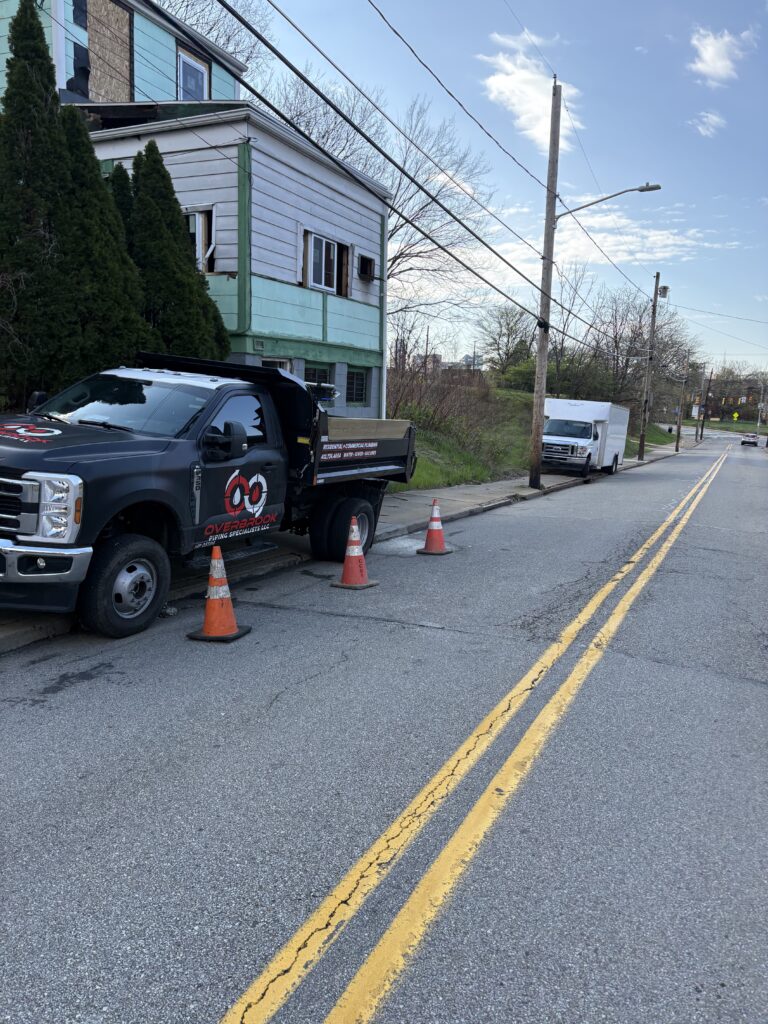
Choose Overbrook Plumbing for your older home sewer line inspection because we are a local, Pittsburgh based team that knows the area’s older housing stock and soil conditions. We are licensed and insured in Pennsylvania, so you can trust that the work meets professional standards. Our honest and straightforward pricing means you know the cost before we begin, with no surprises tacked on at the end. We treat every inspection as a chance to give you clear, useful information you can act on. Our crews bring modern camera equipment and the experience to read what the footage reveals. We are dedicated to providing a 5 star service on every visit.
We also stand behind our work with the kind of guarantees that give buyers confidence during a major purchase. We offer 24/7 emergency plumbing services, so help is available the moment a sewer problem turns urgent. As a thank you, we extend military and senior discounts to the customers who have given so much. Our team explains every finding in plain language, never trade jargon, so you understand exactly what your future home needs. If the inspection turns up a defect, we can walk you through repair options that fit your budget and timeline. From the first call to the final report, we keep the process clear and simple.
When you are ready to protect your investment in an older home, Overbrook Plumbing is here to help. Schedule your sewer line inspection with us during your contingency period and gain the facts you need to buy with confidence. We serve homeowners and buyers across the Pittsburgh area with dependable, professional service every step of the way. If our footage uncovers a problem, we can also handle the sewer line repair that keeps your new home running smoothly. Reach out today to book your inspection and put a knowledgeable local team on your side. Call Overbrook Plumbing at (412) 736-4654 to schedule your older home sewer line inspection now.