
What Is Really in Your Tap Water and How to Filter It Out
Your tap water looks clean, but appearances can fool you. Water that runs clear and tastes fine still carries dissolved minerals, treatment chemicals, and trace contaminants you cannot see. Some of these substances are harmless in small amounts; others build up over time and affect your health, your plumbing, and the taste of everything you drink. Homeowners across the Pittsburgh area rely on municipal water that travels through miles of aging pipes before it reaches the kitchen faucet. Along that journey, the water can pick up metals, sediment, and bacteria. Understanding what hides in your supply is the first step toward cleaner, safer drinking water. This guide breaks down the most common contaminants found in tap water and shows you practical ways to filter them out for good.
Common Contaminants Found in Your Tap Water
Tap water is rarely just water. By the time it leaves your faucet, it carries a mix of minerals, treatment additives, and pollutants gathered from the source and the delivery system. The exact blend depends on where you live, the age of your home, and the condition of the pipes between the treatment plant and your sink. Federal and state agencies set limits on many of these substances, yet legal limits do not always mean zero risk. Knowing which contaminants show up most often helps you choose the right filter for your household. The sections below cover the chemicals, metals, and hard minerals that affect the most homes in our service area. Each one behaves differently, and each one calls for a specific filtration approach.
Chemical Contaminants Found in Your Tap Water
Most municipal systems add chlorine or chloramine to kill bacteria and keep the water safe during its trip through the pipes. These disinfectants do an important job, but they leave behind a sharp taste and a swimming pool smell that many people dislike. Chlorine can also dry out your skin and hair, and it strips the natural flavor from coffee, tea, and cooking water. Chloramine, a blend of chlorine and ammonia, lingers longer in the system and proves harder to remove than chlorine alone. When chlorine reacts with organic matter in the water, it forms byproducts known as trihalomethanes. Long term exposure to these byproducts has raised health concerns among researchers and regulators. An activated carbon filter handles chlorine taste and odor well, while a stronger catalytic carbon media targets chloramine.
Forever chemicals, formally called PFAS, have become one of the most talked about water concerns in recent years. These man made compounds resist breaking down in the environment, which is how they earned their nickname. They enter water supplies from industrial sites, firefighting foam, and certain consumer products. Once PFAS reach a water source, they are stubborn and difficult to remove with basic filtration. Studies have linked these chemicals to a range of health problems, prompting tighter federal standards. Standard pitcher filters often fail to capture them at meaningful levels. A reverse osmosis system or a high grade activated carbon block offers the most reliable defense against PFAS at the tap.
Many cities add fluoride to drinking water to support dental health, a practice that remains common across the country. While fluoride benefits teeth at controlled levels, some households prefer to reduce it in their drinking supply. Nitrates pose a separate concern, especially in areas near farmland where fertilizer runoff seeps into groundwater. High nitrate levels are particularly risky for infants and pregnant women. Pesticides and herbicides can also reach water sources through agricultural runoff and storm drainage. These chemical traces rarely change the taste or smell of your water, which makes them easy to overlook. Reverse osmosis remains the gold standard for stripping fluoride, nitrates, and dissolved chemical residue from your drinking water.
Heavy Metals Hiding in Your Tap Water
Lead is the metal that worries plumbers and homeowners the most. It rarely comes from the water source itself; instead, it leaches into the supply from old pipes, fittings, and solder. Homes built before 1986 are far more likely to contain lead plumbing or lead based solder joints. Many older neighborhoods in the Pittsburgh region still have lead service lines connecting the street main to the house. There is no safe level of lead exposure, and children face the highest risk from even small amounts. Lead has no taste, color, or smell, so testing is the only way to know it is present. If your home has aging pipes, a certified lead reducing filter or a full repiping project may be the safest path forward.
Copper enters tap water from corroding copper pipes, especially in homes with acidic water that eats away at the metal. Small amounts of copper are harmless, but higher levels can cause stomach upset and leave blue green stains in sinks and tubs. Iron and manganese show up often in well water and in some municipal supplies. These metals give water a metallic taste and can stain laundry, fixtures, and dishes a rusty brown. Iron also feeds certain bacteria that create slimy buildup inside pipes and tanks. While these metals are more of a nuisance than a serious hazard, they shorten the life of your plumbing and appliances. A whole house filtration system with the right media removes iron, manganese, and copper before they reach any faucet.
Arsenic occurs naturally in some rock formations and can dissolve into groundwater over time. It is more common in private well supplies than in treated municipal water. Long term arsenic exposure carries serious health risks, which is why testing matters for well owners. Because heavy metals are invisible, a professional water test gives you the clearest picture of what your home actually contains. A licensed plumber can collect samples, interpret the results, and recommend a filtration system matched to your specific readings. Guessing leads to wasted money on the wrong equipment. Testing first ensures the filter you install actually solves your problem.
Hard Water Minerals in Your Tap Water
Hard water is one of the most widespread water issues in the Pittsburgh area and across much of the country. It forms when water absorbs high amounts of calcium and magnesium as it moves through rock and soil. These minerals are not dangerous to drink, so hard water is a quality and maintenance issue rather than a health threat. You can spot hard water by the chalky white scale it leaves on faucets, shower doors, and glassware. It also makes soap harder to lather, leaving a film on skin, hair, and dishes. The harder your water, the more soap and detergent you burn through to get the same results. Most homes with hard water benefit from a water softener or a conditioning system. If your fixtures show constant scale buildup, a professional can test your hardness and recommend the right fix.
Hard water does its real damage inside your pipes and appliances where you cannot see it. As hard water heats up, the dissolved minerals fall out of solution and form a hard crust called scale. This scale coats the inside of pipes, narrowing the path water flows through over time. It collects on water heater elements, forcing the unit to work harder and burn more energy. Scale buildup shortens the life of dishwashers, washing machines, and tankless water heaters. Many manufacturers even warn that hard water damage can void appliance warranties. Left untreated, mineral buildup quietly raises your energy bills and your repair costs year after year.
A traditional water softener uses a process called ion exchange to swap hard minerals for sodium or potassium. This approach has protected homes for decades and remains the most common solution for serious hardness. Salt free conditioning systems offer an alternative that changes the mineral structure so it cannot stick to surfaces. These systems do not remove the minerals, but they cut down on scale without adding sodium. The right choice depends on how hard your water is and what your household prefers. A whole house system treats every tap, while a smaller unit can protect a single appliance. A professional assessment helps you match the solution to your actual water hardness and budget.
How to Filter Out Tap Water Contaminants at Home
Once you know what is in your water, the next step is choosing a filter that targets those specific contaminants. No single filter removes everything, so the best system depends on your water test results and your goals. Some homeowners want better tasting drinking water at one faucet, while others want whole house protection for every tap and appliance. Filtration technology ranges from simple carbon filters to advanced multi stage systems. Picking the right type saves money and delivers cleaner water where you need it most. The sections below walk through the main filtration methods and where each one fits best. A licensed plumber can install any of these systems correctly and keep them performing for years.
Point of Use Filters for Cleaner Tap Water
Point of use filters treat water at a single location, usually the kitchen sink where you draw drinking and cooking water. The simplest option is a pitcher filter, which uses activated carbon to improve taste and reduce chlorine. Pitcher filters cost little upfront, but they have limited capacity and need frequent cartridge changes. Faucet mounted filters attach directly to the spout and treat water on demand. Under sink filters hide out of view and deliver filtered water through a dedicated faucet or the main tap. These under sink units handle more water and last longer between filter swaps. For households focused mainly on drinking water quality, a point of use filter is an affordable starting point.
Reverse osmosis is one of the most powerful point of use filtration methods available to homeowners. The system pushes water through a semipermeable membrane that blocks contaminants down to a microscopic scale. It removes dissolved solids, fluoride, nitrates, lead, arsenic, and many forever chemicals that simpler filters miss. Most reverse osmosis units install under the kitchen sink and pair with a storage tank for filtered water. The tradeoff is that the process works slowly and sends some water to the drain as waste. Many systems add a remineralization stage to restore healthy minerals and improve taste after filtration. For families who want the purest possible drinking water, reverse osmosis delivers results that pitcher filters cannot match.
Every filter has a working lifespan, and a clogged or expired filter does more harm than good. As filter media fills up with trapped contaminants, flow slows and effectiveness drops sharply. An old filter can even release captured particles back into your water if you ignore the change schedule. Most carbon cartridges need replacing every two to six months, depending on use and water quality. Reverse osmosis membranes last longer, often two to three years, but the pre filters need regular swaps. Keeping up with maintenance protects your investment and keeps your water clean. Ready to upgrade your drinking water? Click here to explore our water filtration systems and find the right fit.
Whole House Filtration for Tap Water Throughout Your Home
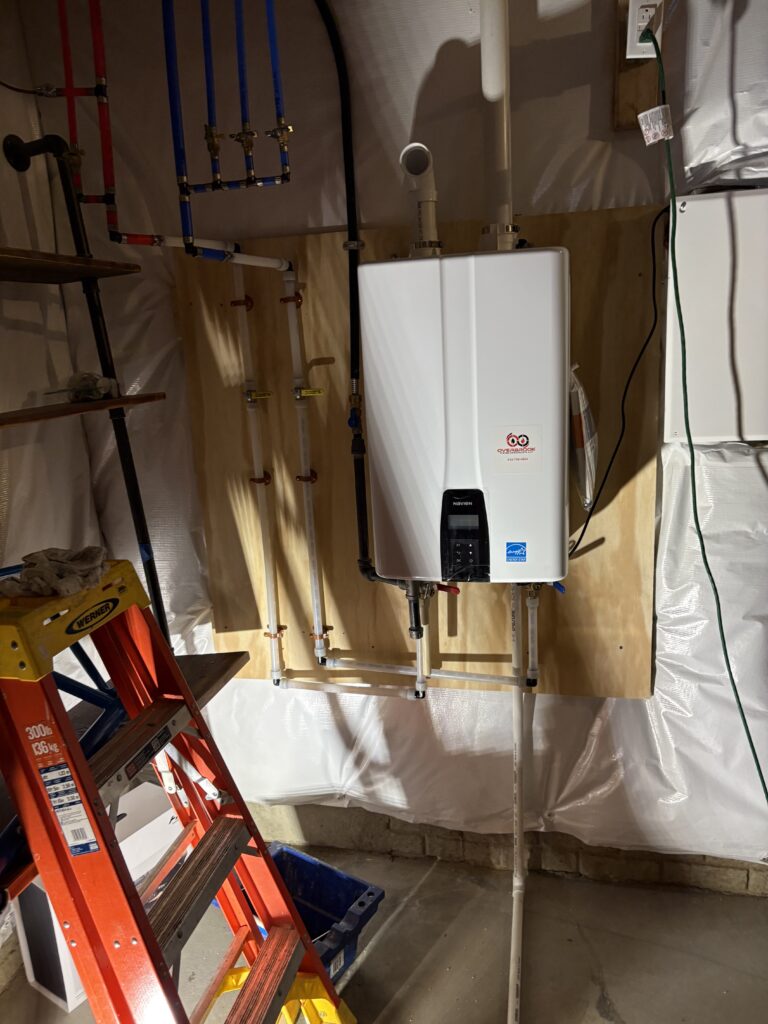
Whole house filtration treats water at the point where it enters your home, before it splits off to every faucet and appliance. This setup means clean water flows from every tap, shower, and water using appliance in the house. A whole house system protects more than your drinking water; it guards your plumbing, your fixtures, and your skin. These systems usually start with a sediment filter that catches sand, rust, and grit. Next comes a carbon stage that removes chlorine, odors, and many chemical contaminants. Additional stages can target specific problems like iron, sulfur smell, or hardness. Because they handle large volumes, whole house units use bigger filter media that lasts longer than point of use cartridges.
The biggest advantage of whole house filtration is consistent water quality everywhere. Your shower water no longer dries out your skin with chlorine, and your laundry comes out cleaner and brighter. Filtered water extends the life of water heaters, dishwashers, and washing machines by keeping sediment and scale out. Bathing and cooking both benefit when chlorine and chemical odors are removed at the source. Homeowners often notice softer skin, less fading in clothes, and fresher smelling water within days. A single system handles all of this without separate filters at each fixture. For larger households or homes with multiple water concerns, whole house filtration delivers the broadest protection.
Whole house systems require professional installation at the main water line, usually near where the supply enters the home. The work involves cutting into the main line, adding bypass valves, and setting the unit on a stable base. Proper sizing matters because an undersized system restricts water flow and pressure throughout the house. A licensed plumber calculates the right capacity based on your household size and water usage. Correct installation also prevents leaks at the connection points, which protects your home from water damage. Once installed, these systems need only periodic media changes and occasional checkups. A trained plumber ensures the system is sized, plumbed, and sealed correctly from the start.
Choosing the Right Tap Water Filter for Your Home
The smartest way to choose a filter is to start with a water test rather than a guess. A test reveals exactly which contaminants are present and at what levels. With those results in hand, you can match the filtration method to your real problems. There is no point in paying for a system that removes things your water does not contain. Likewise, a basic filter will not solve a serious lead or PFAS issue. Testing turns a confusing decision into a clear, data driven choice. A professional can run a full panel and explain what each reading means for your household.
Your filtration choice also depends on your priorities and your budget. A household focused only on drinking water taste may be happy with an under sink carbon filter. A family worried about lead, fluoride, or forever chemicals will want reverse osmosis at the kitchen sink. Homes with hard water, chlorine odor, and appliance protection in mind lean toward whole house systems. Many homeowners combine approaches, using whole house filtration plus a reverse osmosis unit for drinking water. This layered setup covers both broad protection and high purity at the tap. Thinking through your goals first keeps you from overspending or underprotecting your home.
A quality filtration system is an investment that pays off over many years. Cleaner water protects your health, your plumbing, and your appliances all at once. It also cuts the cost of bottled water, which adds up fast for a busy household. The right system reduces scale buildup, which keeps your water heater and pipes running efficiently. Fewer repairs and longer appliance life translate into real savings over time. When you factor in health and convenience, filtration earns its place in most homes. A professional installation ensures you get every bit of value the system is designed to deliver.
Why You Need Professional Water Filtration Installation in Pittsburgh
Clean water touches everything you do at home, from the glass you drink to the shower you take. The right filtration system removes the contaminants hiding in your tap water and protects your family for years. Installing and sizing these systems correctly takes training, the proper tools, and knowledge of local plumbing codes. A poorly installed filter can leak, restrict flow, or fail to remove the contaminants you were worried about. That is why so many Pittsburgh homeowners trust a licensed, insured plumbing team with the job. Overbrook Plumbing brings local experience and honest service to every water filtration project.
Professional Water Filtration Testing and Installation
Professional water filtration starts with an accurate test of your home supply. Our team identifies the exact contaminants in your water and explains what they mean for your family. From there, we recommend a system sized for your household and matched to your test results. We handle the full installation, from the main line connection to the final flow check. You get a system that works correctly from the first day, with no guesswork involved.
Correct installation makes the difference between a filter that performs and one that fails. We connect every system with proper fittings, valves, and supports to prevent leaks and pressure loss. Our plumbers follow Pennsylvania plumbing codes on every job, protecting your home and your investment. We size each system so your water flow and pressure stay strong throughout the house. When the work is done, we test the system and walk you through how to maintain it.
A filtration system needs occasional care to keep delivering clean water. We help you set a simple schedule for changing filters and checking performance. If a problem ever comes up, our team is ready to diagnose and fix it fast. Want clean water at every tap? Click here to explore our water filtration systems. We make it easy to keep your water safe and your system running for years.
Signs You Need a Water Filtration System in Your Home
Several clear signs tell you it is time for a water filtration system. A chlorine smell or a metallic taste points to chemicals or metals in your supply. White scale on faucets and glassware signals hard water that is also building up inside your pipes. Rusty stains in sinks and tubs suggest iron or aging plumbing. Any of these signs is worth a professional water test.
Health concerns are another strong reason to filter your water. Homes built before 1986 may carry lead in their pipes, fittings, or solder. Families with young children, pregnant members, or older adults benefit most from removing harmful contaminants. If you rely on a private well, regular testing and filtration become even more important. Filtering your water gives you peace of mind that what you drink is safe.
Hidden damage to your plumbing is one more reason to act. Hard water and sediment quietly wear down pipes, water heaters, and appliances. Catching the problem early saves you from costly repairs and early replacements. If you suspect a leak from corroded pipes, our leak detection service can find it fast. Addressing water quality now protects both your health and your home for the long run.
Why Choose Overbrook Plumbing for Water Filtration
Overbrook Plumbing is a local, Pittsburgh based team that treats your home like our own. We are licensed and insured in Pennsylvania, so you can trust every job is done right. Our pricing is honest and straightforward, with no surprises after the work is finished. We believe clear communication builds lasting trust with our neighbors. From the first call to the final test, we put your needs first.
We back our work with real guarantees and a commitment to five star service. Our tankless water heater installations come with a one year labor warranty for added peace of mind. We also offer military and senior discounts as a simple way to say thank you. When an emergency strikes, our 24/7 emergency plumbing service is ready day or night. You are never left waiting when water trouble cannot wait.
Choosing the right water filtration system protects your family, your plumbing, and your peace of mind. Our experienced team makes the process simple, from testing to installation to ongoing care. We are dedicated to delivering clean, safe water to every home we serve across the Pittsburgh area. Reach out today and let us help you find the perfect filtration solution for your home. Call Overbrook Plumbing now at (412) 736-4654 to schedule your water filtration consultation.