
5 Signs You Need to Repipe Your Pittsburgh Home
Pittsburgh is a city of beautiful, character-filled homes, many of which have stood for a century or more. That history is part of what makes living here special, but it also comes with a hidden challenge: aging plumbing. The pipes running through the walls and floors of an older home don’t last forever, and many houses across the Pittsburgh area still rely on plumbing that was installed decades ago. When those pipes begin to fail, the consequences range from annoying to genuinely damaging, and at a certain point, patching individual problems stops making sense. That’s when repiping, the process of replacing your home’s worn-out pipes, becomes the smarter long-term solution.
The tricky part is knowing when you’ve crossed that line. A single leak doesn’t necessarily mean your whole system needs replacing, but a pattern of problems often does. At Overbrook Plumbing, we help Pittsburgh homeowners make that call every day, and we’ve found that the warning signs tend to be consistent. Below are five clear signs that your home may be due for a repipe, along with what each one means and why it matters. If several of these sound familiar, it may be time to have your plumbing evaluated by a professional.
What Does It Mean to Repipe a Home?
Before diving into the warning signs, it helps to understand what repiping actually involves. Repiping is the replacement of some or all of the water supply pipes in your home, swapping out old, deteriorating material for modern piping such as copper or PEX. Rather than continuing to repair the same failing system one leak at a time, repiping addresses the root of the problem by giving your home a fresh, reliable plumbing network designed to last for decades.
While it’s a larger project than a single repair, repiping is often far more cost-effective in the long run for homes with widespread pipe problems. It eliminates the cycle of recurring repairs, restores water quality and pressure, and protects your home from the kind of catastrophic failures that aging pipes eventually produce. Understanding when repiping is warranted starts with recognizing the signs your current pipes are giving you.
Why Pittsburgh Homes Are Especially Prone to Pipe Problems
Pittsburgh has some of the oldest housing stock in the country, with a large share of homes built before modern plumbing materials became standard. Many of these houses were originally fitted with galvanized steel pipes, which were common throughout the early and mid twentieth century. Galvanized steel corrodes from the inside out over time, gradually restricting water flow and releasing rust into the water supply. Some older homes may also contain lead pipes or lead-based components, which carry serious health concerns.

This means that a great many Pittsburgh homes are now reaching, or have already passed, the point where their original plumbing is no longer dependable. If you live in an older home and have never had the pipes evaluated or replaced, there’s a real chance the system is operating well past its intended lifespan. The five signs below are especially worth watching for in our region’s historic homes.
1. Discolored, Rusty, or Bad-Tasting Water
One of the most telling signs that your pipes are deteriorating is a change in the water itself. If you turn on the tap and see water that looks brown, yellow, or reddish, particularly first thing in the morning or after the water has been sitting unused, corrosion inside your pipes is the likely cause. As galvanized steel and other metal pipes break down internally, rust and sediment flake off and travel through your water supply, discoloring what should be clear, clean water.
You might also notice a metallic taste or smell, or staining on your sinks, tubs, and laundry. While occasional discoloration after street work or a water main issue can be harmless and temporary, persistent or recurring discoloration is a strong indicator that the problem lies within your own plumbing. Beyond being unpleasant, rusty water signals that your pipes are actively degrading from the inside, and that degradation only accelerates over time. Water quality issues like these are one of the clearest reasons homeowners decide to repipe.
2. Frequent Leaks and Repeated Repairs
Every home will need a plumbing repair now and then, and a single leak is rarely cause for alarm. But when leaks start happening repeatedly, especially in different parts of the house, that pattern tells a bigger story. Recurring leaks are often a sign that your pipes have reached the end of their service life and are failing in multiple places, not just at one isolated point. Fixing one leak only to have another appear a few months later is a classic symptom of a system-wide problem.
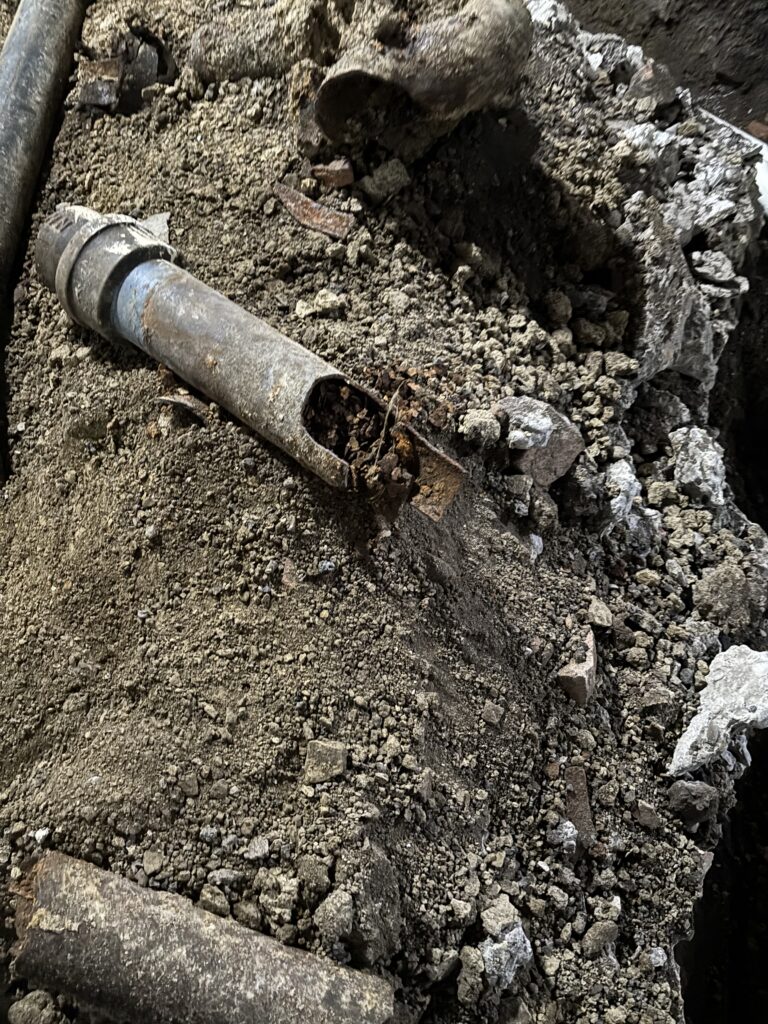
At a certain point, the cumulative cost and hassle of repeated repairs surpasses the cost of replacing the pipes altogether. If you find yourself calling a plumber again and again for the same kind of issue, or if your plumber has mentioned that your pipes are corroding or deteriorating, it’s worth seriously considering a repipe. Continuing to patch a failing system is like putting one bandage after another on a wound that won’t heal. More importantly, every leak that goes undetected, even briefly, risks water damage, mold growth, and structural harm to your home, making proactive replacement the safer choice.
3. Low or Inconsistent Water Pressure
Weak water pressure is more than a daily annoyance; it can be a window into the condition of your pipes. As galvanized and other metal pipes corrode internally, mineral deposits and rust build up along the inside walls, narrowing the channel through which water flows. Over the years, this buildup can become severe enough to dramatically reduce the volume of water reaching your faucets, showers, and appliances. If your once-strong shower has weakened over time, or your water pressure drops noticeably when more than one fixture is running, internal pipe corrosion may be the culprit.
It’s worth ruling out other causes first, such as a problem with the municipal supply, a failing pressure regulator, or a localized clog. But when low pressure affects much of the home and has developed gradually over the years, it frequently points to widespread internal corrosion that a repipe is best suited to solve. Restoring proper flow throughout the house is one of the most immediately noticeable benefits homeowners experience after replacing old pipes.
4. Old Galvanized Steel or Lead Pipes
Sometimes the most important sign isn’t a symptom at all, but the simple fact of what your pipes are made of. If your Pittsburgh home was built before the second half of the twentieth century and the plumbing has never been updated, there’s a strong likelihood that you have galvanized steel pipes, and possibly lead pipes or lead solder in older sections. Galvanized steel has a finite lifespan, and most installations from that era are now well beyond it, even if they haven’t yet produced obvious problems.
Lead is a more urgent concern. Lead pipes and lead-based plumbing components can leach into your drinking water, posing real health risks, particularly for children and pregnant women. There is no safe level of lead exposure, which is why identifying and replacing lead plumbing is so important. If you’re unsure what your pipes are made of, a licensed plumber can inspect your system and identify the materials. Discovering aging galvanized steel or any lead components is reason enough to seriously plan for a repipe, regardless of whether you’ve noticed other symptoms yet.
5. Visible Corrosion, Discoloration, or Strange Noises
Your pipes will often show their age if you know where to look. Take a moment to examine any exposed plumbing in your basement, under sinks, or in utility areas. Visible signs of trouble include corrosion, flaking, pitting, discoloration, or a bluish-green tint on copper fittings, as well as any dampness, staining, or mineral deposits around joints and connections. These outward signs frequently reflect deterioration that’s also happening inside the pipe walls where you can’t see it.
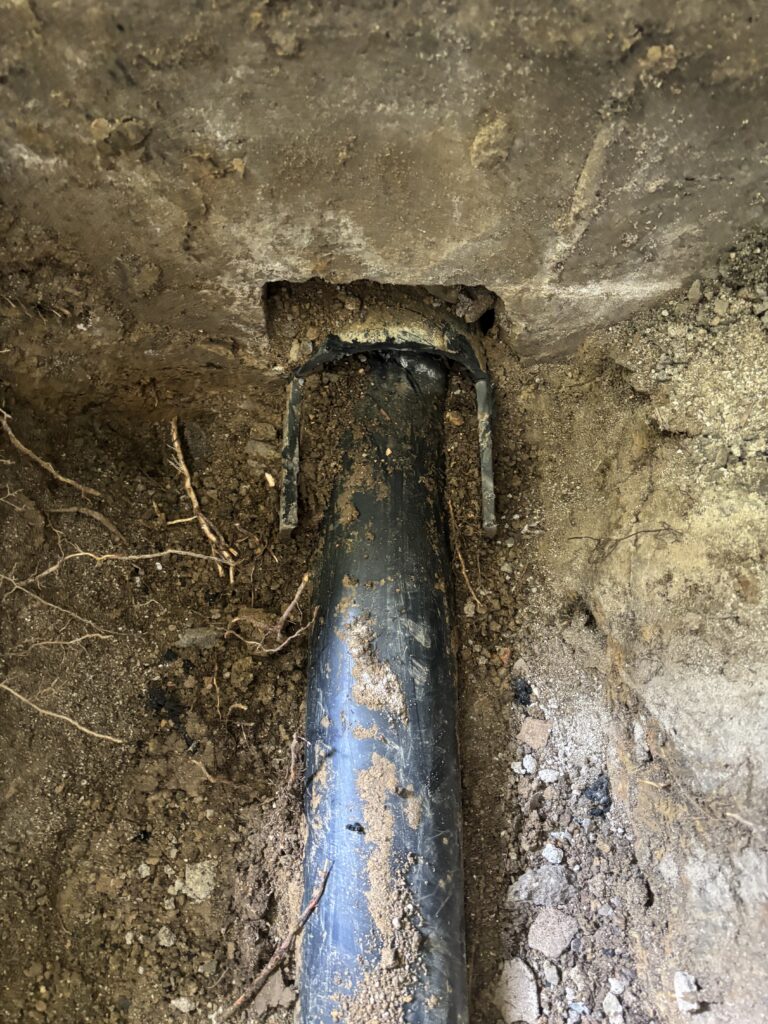
Unusual sounds can be revealing as well. Banging, rattling, or whistling in the pipes can indicate pressure problems, loose components, or buildup within the system. While not every noise means you need a repipe, persistent strange sounds combined with other signs on this list strengthen the case that your plumbing is aging and may need comprehensive attention. When the visible condition of your pipes looks rough, the hidden condition is usually worse, and waiting for a major failure is rarely worth the risk.
The Benefits of Repiping Your Home
Repiping is a significant investment, but the advantages are substantial and long-lasting. Replacing old, corroded pipes with modern materials restores clean, clear, better-tasting water to your home and eliminates the health concerns associated with rust and lead. It brings back strong, consistent water pressure throughout the house, ending the frustration of weak showers and slow-filling fixtures. Perhaps most importantly, it stops the costly, stressful cycle of recurring leaks and the water damage that comes with them.
A repipe also adds real value and peace of mind. Modern plumbing is a meaningful selling point for buyers and removes a major source of worry from homeownership, knowing that your pipes are reliable and built to last for decades. For older Pittsburgh homes especially, updating the plumbing is one of the most worthwhile improvements you can make to protect both your family and your investment.
If several of the signs above sound familiar, your home may be telling you it’s time for a repipe. Discolored water, repeated leaks, weakening pressure, aging galvanized or lead pipes, and visible corrosion are all signals worth taking seriously, especially in Pittsburgh’s older homes. The good news is that you don’t have to guess. A professional evaluation can tell you exactly what condition your pipes are in and whether repiping is the right move for your home.
At Overbrook Plumbing, we specialize in helping Pittsburgh homeowners assess their plumbing and, when the time is right, replace it with modern, dependable piping that will serve their families for years to come. Whether you’re noticing warning signs or simply want peace of mind about the age of your pipes, our experienced team is here to provide honest, expert guidance. Contact Overbrook Plumbing today to schedule an inspection and take the first step toward reliable, worry-free plumbing.